Square Foot Gardening
Winter Thai Basil: Square Foot Gardening in a Ceramic Pot
Learn how to grow Thai basil indoors winter in your apartment. Step-by-step guide with expert tips.
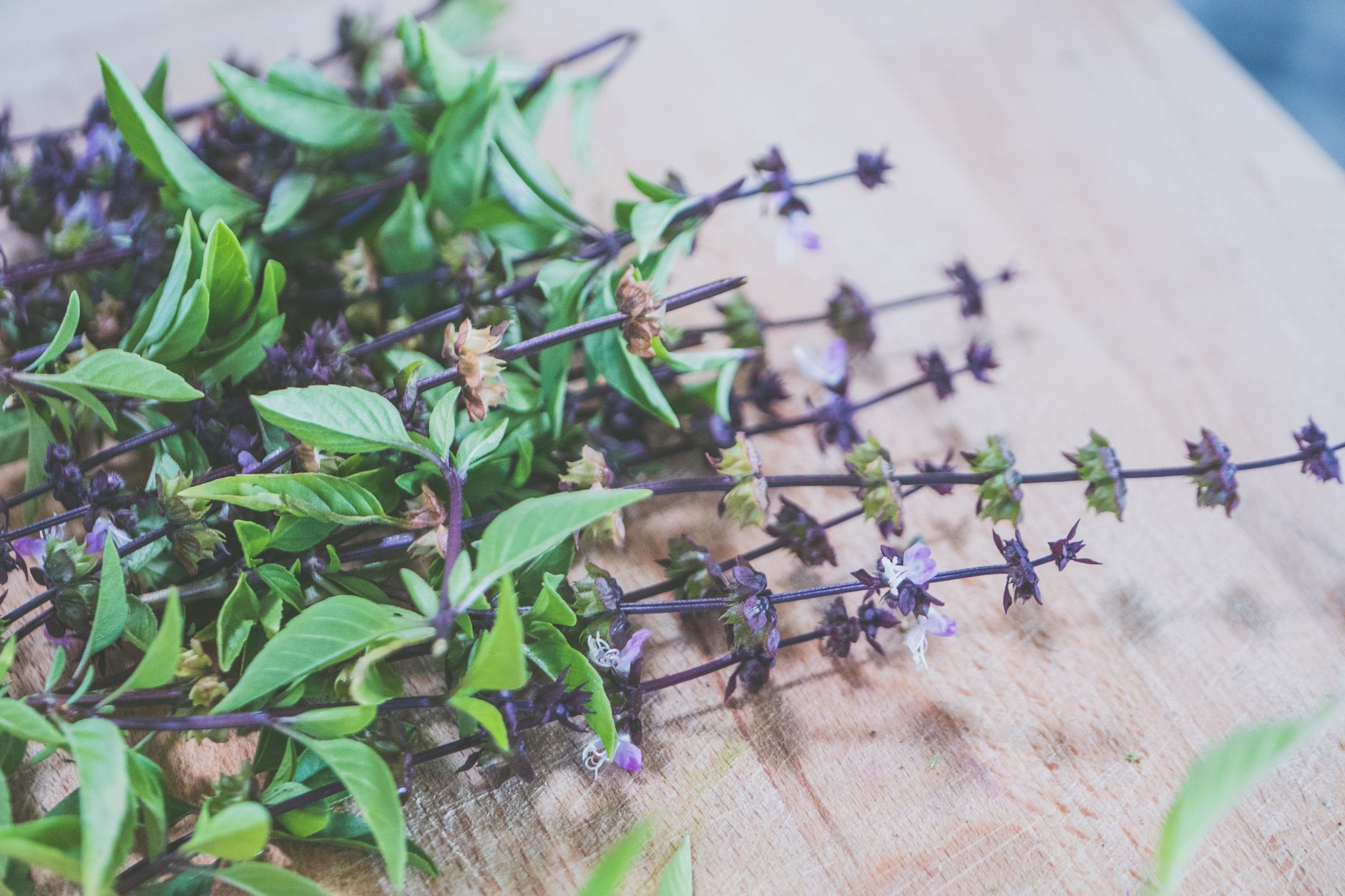
Why Thai Basil Does So Well with Square Foot Gardening
Okay, so it’s November in Brooklyn, the wind's whipping, and all I want is that fresh, peppery, slightly licorice-y aroma of Thai basil wafting through my kitchen. But, you know, it’s not exactly prime growing season outside. This is where my obsession with indoor gardening, specifically using a square foot gardening approach, really shines. For years, I’ve been figuring out how to grow Thai basil indoors winter, and honestly, it’s one of the most rewarding small-space crops you can tackle.
Square foot gardening (SFG) for herbs in a pot might sound a little…extra. Like, why get all mathematical for a single herb? But trust me, it’s not about drawing grids in fancy raised beds here. It’s about maximizing every single inch of your container, even a modest ceramic pot, and giving each plant what it needs without overcrowding. Thai basil, with its somewhat spindly but productive nature, absolutely thrives when it has just enough elbow room. It prevents those plants from getting leggy and weak, which was a huge problem for me in my early days. One winter in Chicago, I shoved about seven seedlings into a pot meant for three, thinking "more is more!" Nope. Just got a bunch of sad, pale stems that tasted vaguely of desperation. Lesson learned: give 'em space, even if that space is indoors.
What You'll Actually Need
Alright, let’s get down to brass tacks. You don’t need a ton of fancy gear to make this happen. Mostly, you need commitment and a sunny window. Or a good light, which we’ll get to.
The Pot: Ceramic or Bust (Mostly)
For this specific method, I’m sticking with ceramic. Why? They look good, they’re heavy enough not to tip over, and they breathe better than plastic, which helps prevent root rot – a silent killer of many an indoor herb plant. Look for one that’s at least 8-10 inches in diameter and about 8 inches deep. Make sure it has a drainage hole! No drainage hole? Don't even think about it. I once tried drilling one into a vintage pot. It did not end well for the pot. Or my pride.
The "Square Foot" System, Micro-Style
You’re not actually marking out a foot here, obviously. Think of it as plant spacing optimization. For an 8-10 inch pot, you can comfortably grow 1-2 Thai basil plants. If it’s closer to 10 inches, you might squeeze in a third *if* you're diligent with harvesting. My preference? One good, strong plant in an 8-inch pot. Two in a 10-inch. Less really is more here when you want quality over quantity.
The Essentials List:
- Ceramic Pot: 8-10 inches diameter, 8 inches deep, with drainage.
- Good Quality Potting Mix: This is CRITICAL. Don't skimp. I swear by FoxFarm Ocean Forest for starting mixes. It’s super airy and has just enough nutrients to get things going. Don’t use garden soil; it’s too dense and probably has pests.
- Thai Basil Seeds or Seedlings: Seeds are cheaper and give you more control. Seedlings are faster. Your call. I prefer seeds because the whole process is just more satisfying.
- Grow Light (Optional but Highly Recommended): Look, unless you live in a sun-drenched penthouse in Miami, you’re probably going to need one, especially if you want to grow Thai basil indoors winter. A simple LED grow light (even a small Sansi or GE one) makes a massive difference. Last March, my first Thai Basil batch in a ceramic pot got leggy because I skimped on light — literally just in my window. It was spindly and sad. Never again.
- Watering Can with a Fine Rose: Or just a measuring cup, I’m not judging. Just something that lets you water gently.
- Snips or Scissors: For harvesting. Sharp ones.
- Small Fan (Optional): Helps with air circulation and strengthens stems.
- Fertilizer: A balanced liquid organic fertilizer, half-strength (e.g., Neptune's Harvest Fish Emulsion).
The Growing Process, Step by Step
Weeks 1-2: Seed Starting & Sprouting
- Fill Your Pot: Fill your ceramic pot with the good potting mix, leaving about an inch of space from the rim. Don't compact it too much; keep it fluffy.
- Sow Your Seeds: If you're going the seed route, sow 3-4 seeds per intended plant location, about 1/4 inch deep. Just sprinkle a little soil over them. If you’re doing two plants in a 10-inch pot, imagine a line down the middle and sow seeds on either side.
- Water Gently: Water thoroughly until you see water drain from the bottom. Don't let it sit in a saucer of water later though!
- Light it Up: If using a grow light, place it about 6-12 inches above the soil. Leave it on for 12-14 hours a day. If relying on a window, pick your sunniest, south-facing window.
- Patience, Grasshopper: Seeds usually sprout in 7-14 days. Keep the soil consistently moist but never soggy.
Weeks 3-4: Thinning & Early Growth
- Thinning is Key: Once your seedlings have their first set of true leaves (the ones that look like actual basil leaves, not the initial round "cotyledons"), it's time to thin. Snip off the weakest seedlings at the soil line, leaving only the strongest plant in each designated spot. This is super important to avoid overcrowding.
- First Feed (Optional): If your potting mix isn't fortified, you can give a very weak dose (1/4 strength) of liquid fertilizer now.
- Air Flow: If you have that small fan, set it to low and have it gently blow across the seedlings for a few hours a day. It mimics outdoor breezes, helping stems strengthen and preventing fungal issues.
Weeks 5-8: Bushing Out & Pruning
- Pruning for Bushiness: This is where the magic happens for grow Thai basil indoors winter. When your plant has 3-4 sets of true leaves, pinch off the top set of leaves right above a node (where two leaves meet the main stem). This encourages the plant to branch out, giving you more leaves to harvest.
- Regular Watering & Feeding: Keep the soil consistently moist. Start feeding with half-strength liquid fertilizer every 2-3 weeks. Don’t overdo it, or you’ll burn the roots.
- Rotate Your Pot: If you're using a window, rotate your pot every few days so all sides get light. Prevents leaning.
Weeks 9-10 (and beyond): Harvesting & Enjoying!
- Harvest Time: Once your plant is about 6-8 inches tall and bushy, you can start harvesting. Again, use your snips. Harvest leaves regularly, always pinching back to a node. This encourages more growth and prevents the plant from flowering too early (which makes the leaves bitter).
- Keep an Eye Out: Check for pests like aphids or spider mites, which can sometimes appear indoors, especially in dry winter air. A regular misting or a quick wipe with a damp cloth can deter them.
Mistakes I've Made (So You Don't Have To)
Oh, the mistakes! Where do I even start? Probably with thinking every plant would just magically flourish indoors. My worst was thinking a single north-facing window in a gloomy Portland apartment would be enough light back when I first started. Nope. Got super leggy plants that looked like they were reaching for help. That’s why I harp on the grow light so much now. It’s not a luxury; it’s a necessity for thriving herbs in winter.
Another big one was overwatering. I was so afraid of underwatering, I’d keep the soil perpetually damp. Root rot is silent and sneaky. The plant just slowly yellows and collapses. Now, I stick my finger about an inch into the soil. If it feels dry, I water. If it’s damp, I wait. It's really that simple. Honestly, I think most beginners overthink this part.
And then there was the time I forgot to thin. Had a pot full of weak, scraggly basil instead of one robust, glorious plant. It's tough to snip healthy-looking seedlings, but it's for the greater good, I promise!
Little Things That Make a Big Difference
- Humidity: Indoor air in winter can be desert-dry. Thai basil, being quite tropical, prefers a bit more. I sometimes group my herb pots together or place a tray of pebbles with water nearby to boost localized humidity. You can also give them a gentle misting every few days. I wrote a whole guide on this, actually: Savory Success: Humidity Control for Window Box Gardens.
- Warmth: Try to keep your basil away from drafty windows or cold spots. It likes consistent temperatures, ideally above 65°F (18°C).
- Pest Patrol: Check the undersides of leaves regularly. Indoor pests can explode quickly if left unchecked. Neem oil spray works wonders for most common ones.
- Don't Be Afraid to Harvest: The more you pick (mindfully, always pinching to a node!), the more the plant will produce. It’s counter-intuitive, I know, but it works!
When to Harvest and What to Expect
You can typically start light harvesting when your plant is about 6-8 inches tall and has a few sets of sturdy leaves, usually around weeks 8-10. Look, don't just rip leaves off. Use your clean snips and cut just above a leaf node. This tells the plant, "Hey, grow two new branches here!" instead of, "Oh no, I've been attacked!"
You can expect a continuous supply of fresh Thai basil for months this way. I’ve had plants go for 4-6 months indoors before they start to really decline, especially if they try to flower. If you see flower spikes forming, snip them off immediately unless you want to save seeds. They’ll divert energy from leaf production and make the leaves taste bitter.
The smell alone, when you reach in to snip a few leaves, is worth all the effort. That rich, anise-y, slightly spicy scent contrasting with the dry winter air outside? It’s pure bliss. And being able to toss freshly picked Thai basil into a stir-fry or a curry without having to brave the grocery store in a blizzard? That, my friends, is why we grow Thai basil indoors winter.
So, go on. Get yourself a nice pot, grab some seeds, and let’s turn those frosty days into a little patch of fragrant green goodness. You won't regret it.
Keep exploring related guides
Follow the topic cluster below to discover more growing methods, troubleshooting advice, and crop-specific tutorials.