Regrow
Regrow lettuce in takeout container water 30 day
Learn how to regrow lettuce takeout container water in your apartment. Step-by-step guide with photos, calculator links, and supply list.
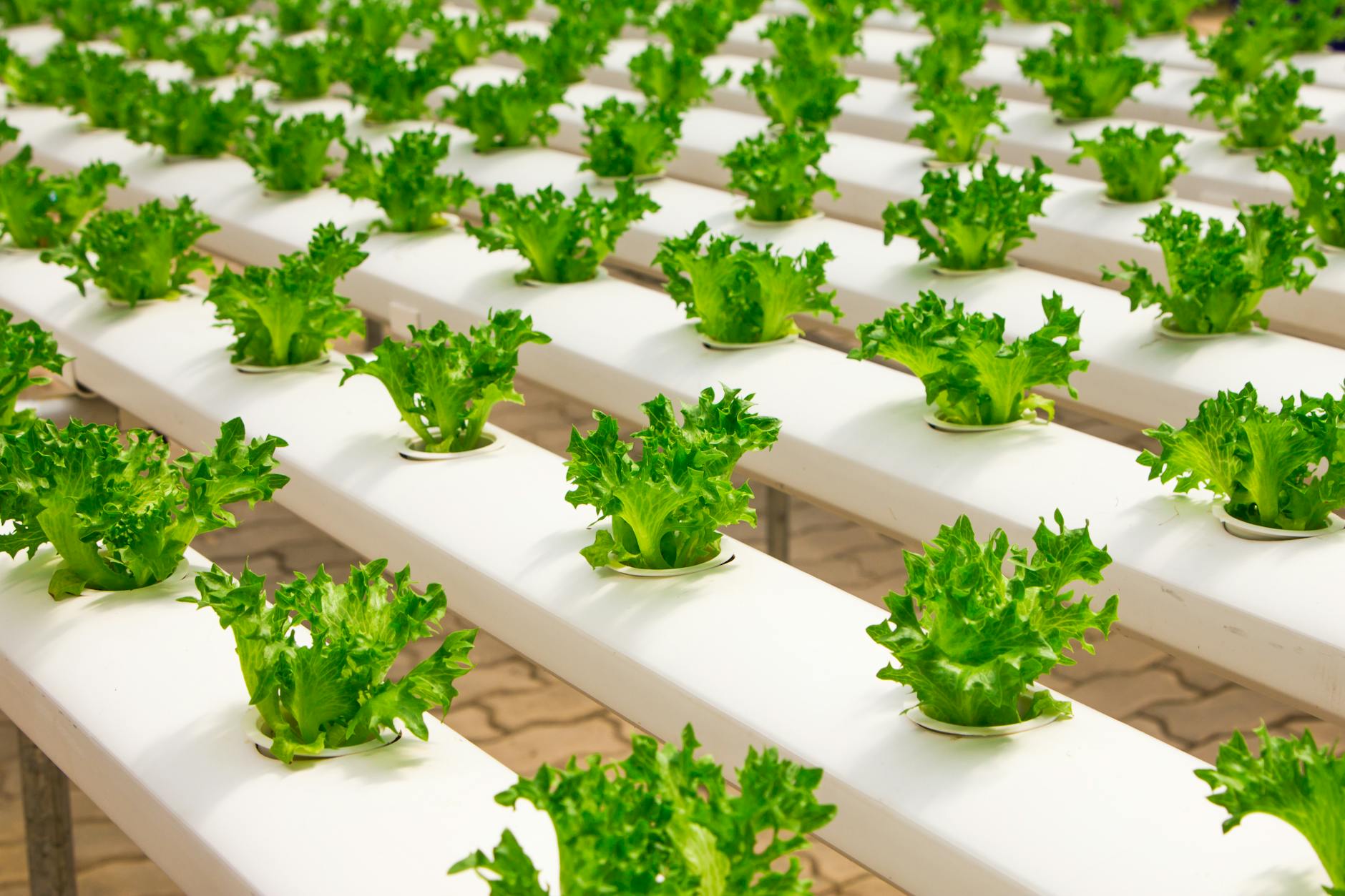
As an urban gardener, I'm always on the lookout for ingenious ways to bring more green into my small city apartment. One of my favorite discoveries, and a fantastic conversation starter, is how incredibly easy it is to regrow lettuce in a takeout container with just water. It's not just a neat trick; it's a testament to the resilience of nature and a perfect entry point into urban gardening for anyone with limited space.
I've personally found this method to be incredibly rewarding. It provides fresh greens for salads and sandwiches, reduces food waste, and offers a continuous supply of vibrant foliage right on my countertop. If you're an apartment dweller, or just curious about maximizing your food scraps, stick around. I'm going to walk you through how to turn that discarded lettuce core into a mini salad bar, all within a 30-day window.
Why This Method Works
The science behind regrowing lettuce from its base is surprisingly straightforward. Lettuce, like many leafy greens, has meristematic tissue – specialized cells located at the base of the stem. These cells are essentially plant stem cells, capable of differentiating into various plant parts, including new leaves and roots, given the right conditions. When you place a lettuce core in water, you're essentially providing it with the hydration it needs to activate these cells. The water acts as a medium for nutrient uptake (even though the initial 'nutrients' are simply reserves within the core itself) and supports root development.
From a practical standpoint, this method offers several compelling benefits, especially for those of us living in compact spaces. Firstly, it's incredibly low-cost. You're repurposing what would usually be thrown away. Secondly, it requires minimal supplies – mostly things you already have. Thirdly, it's mess-free. There's no soil involved, which is a huge plus for apartment living, eliminating concerns about spilled dirt or pests associated with soil. Finally, it provides a consistent, albeit smaller, harvest. While you won't grow a head of lettuce the size of what you bought, you'll get enough fresh leaves for garnishes, small salads, or adding a healthy crunch to your meals.
What You'll Need
One of the best things about this project is how few supplies you actually need. You likely have most of these lying around your kitchen already.
- Lettuce Core: This is your star ingredient. I've had the best success with romaine, butter lettuce, and sometimes green leaf lettuce. Look for a core that's at least 2-3 inches tall with a clean, unblemished base. Avoid cores that look mushy or discolored.
- Container: An empty plastic takeout container works perfectly. The shallow depth is ideal for keeping the base submerged without drowning the entire core. I prefer those clear ones from sushi or deli salads, as they allow light in. A small Mason jar or even a shallow bowl would also work.
- Water: Regular tap water is usually fine. If your tap water is heavily chlorinated, you might let it sit out for 24 hours to allow the chlorine to dissipate, but I've honestly never found this to be a critical factor in my own experiments.
- Sharp Knife: For cleanly cutting the lettuce core.
- Sunny Spot: A windowsill that receives at least 4-6 hours of indirect to direct sunlight daily is ideal.
Regarding containers, remember we're not dealing with soil volume here, but if you ever decide to transition your regrown lettuce to a pot, knowing the right size is crucial. Check out our soil volume calculator for precise measurements to ensure your plants have enough space to thrive.
Step-by-Step Guide
Let's break down the journey of your lettuce core, day by day, for the next month.
Days 1-3: Setup and Initial Awakening
Day 1: Prepping Your Core Once you've enjoyed your lettuce leaves, cut about 1-2 inches off the bottom of the core. Ensure the cut is clean and straight. Don't worry if there are a few outer leaves still attached; gently pull them off or trim them down to about an inch to prevent them from rotting in the water. Place your core, cut-side down, into your takeout container. Fill the container with enough water so that the bottom 0.5-1 inch of the core is submerged. Position it in a bright windowsill.
Days 2-3: First Signs of Life You won't see much dramatic growth yet, but keep an eye on the water level and change the water daily. This prevents bacterial growth and provides fresh oxygen to the developing roots. You might notice the very first tiny white root nubs forming at the base, and perhaps a subtle swelling or brightening of the innermost part of the core. This is a sign that the meristematic tissue is activating.
Days 4-7: Rooting and New Shoots
Days 4-5: Roots Take Hold By now, you should see more pronounced root development. Small, thin white roots will start to emerge from the bottom of the core. Simultaneously, the center of the core will begin to show new, tiny green leaves pushing upwards. This is the exciting part!
Days 6-7: Visible Growth The roots will be longer and more numerous. The new leaves in the center will be noticeably larger and have a vibrant green color. Continue to change the water daily. If the water starts to look cloudy or slimy, change it immediately and gently rinse the core under cool tap water. I've found that neglecting water changes is the fastest way to fungal issues.
Week 2: Rapid Leaf Development
Days 8-14: Lettuce Takes Shape This week sees significant growth. The new leaves will expand rapidly, forming a small, dense cluster. The roots will also be quite robust. You'll start to see the characteristic shape of your lettuce variety emerging. Keep that water fresh! At this stage, your lettuce is photosynthesizing efficiently, converting sunlight into energy for growth. Ensure it gets plenty of light.
Troubleshooting: If leaves start to yellow, it could be a sign of insufficient light or water that's not being changed frequently enough. If roots look brown or mushy, you might have root rot. Trim off any affected roots and change the water more diligently.
Week 3: Harvesting Begins
Days 15-21: First Harvests! Around the two-week mark, your lettuce should be ready for its first harvest. The outer leaves will be large enough to pluck. To harvest, gently snap off the outer leaves at their base, leaving the inner core and smaller leaves to continue growing. This "cut and come again" method encourages more growth. Continue changing the water every day or every other day at this point. You should be able to get several harvests from your regrown core.
Week 4: Continued Production and Decline
Days 22-30: Sustained Harvest and Observation Your lettuce will continue to produce new leaves, though you might notice the growth rate slowing down slightly. The leaves may also become a bit smaller or slightly tougher over time. This is normal. The plant is using up its stored energy and the water-only environment doesn't provide significant nutrients for long-term robust growth. Some cores might even start to send up a flower stalk (bolting), especially if temperatures are warm. While the leaves are still edible, they might become bitter once the plant bolts.
Personal Tip: I usually find that after about 3-4 consistent harvests (around day 25-30), the core's energy is largely spent. It's usually time to retire that core and start a fresh one, keeping the cycle going!
Common Mistakes to Avoid
- Not Changing Water Frequently Enough: This is by far the most common mistake I see. Stagnant water quickly becomes a breeding ground for bacteria and fungi, leading to root rot and a slimy, unpleasant mess. Change that water daily!
- Submerging Too Much of the Core: While the base needs to be in water, if the entire core is submerged, especially the new leaf growth, it can suffocate the plant and lead to rot. Aim for about 0.5 to 1 inch of the core in water.
- Insufficient Light: Lettuce needs sunlight to grow. A dark corner won't cut it. Your regrown lettuce will become leggy (stretched out with pale leaves) if it doesn't get enough light. Find that sunny windowsill!
- Over-Harvesting Too Early: While exciting to see new growth, resist the urge to pluck all the new leaves as soon as they appear. Let the plant establish itself and build up some energy before taking your first harvest. This ensures better continuous production.
Pro Tips for Maximum Success
- Choose the Right Core: As I mentioned earlier, plump, firm, and blemish-free cores yield the best results. If the core looks soft or discolored, just toss it and try another. Romaine and butter lettuce are my top performers.
- Gentle Harvesting: Instead of ripping off leaves, gently bend them at their base until they snap cleanly. This minimizes damage to the core and encourages regeneration. Always leave some inner leaves to continue photosynthesizing.
- Transition to Soil for Longer Life: If you want to extend the life of your regrown lettuce beyond the 30-day water method, you can carefully transplant it into a small pot with potting mix once the roots are about 2-3 inches long. I find this significantly boosts production and quality. Just be gentle with those new roots when transplanting. Remember, for proper pot sizing, our plant spacing calculator can also offer insights on how much room your lettuce will need if you plant multiple cores.
- Consider Nutrient Boosters: While water alone works for the initial growth, especially from the energy stored in the core, for sustained production, consider adding a tiny amount of liquid fertilizer designed for hydroponics (diluted to a very weak solution) to the water once the roots are established. I've personally experimented with this and found it can prolong the life and vigor of the plant, though it's certainly not necessary for a simple 30-day experiment.
So, there you have it – a comprehensive guide to turning a kitchen scrap into a thriving mini garden right on your windowsill. It's a simple, rewarding, and incredibly effective way to embrace urban gardening, even in the smallest of spaces. Don't wait; grab that next lettuce core and start your own 30-day growing adventure today. And for all your other gardening needs, whether you're wondering about soil quantities or how much space your new plant friends need, remember to check out our free calculators at MicroGardenHacks for precise measurements and expert advice!
Keep exploring related guides
Follow the topic cluster below to discover more growing methods, troubleshooting advice, and crop-specific tutorials.