Regrow
Regrow lettuce heart in soil 30 day
Learn how to regrow lettuce heart soil in your apartment. Step-by-step guide with photos, calculator links, and supply list.
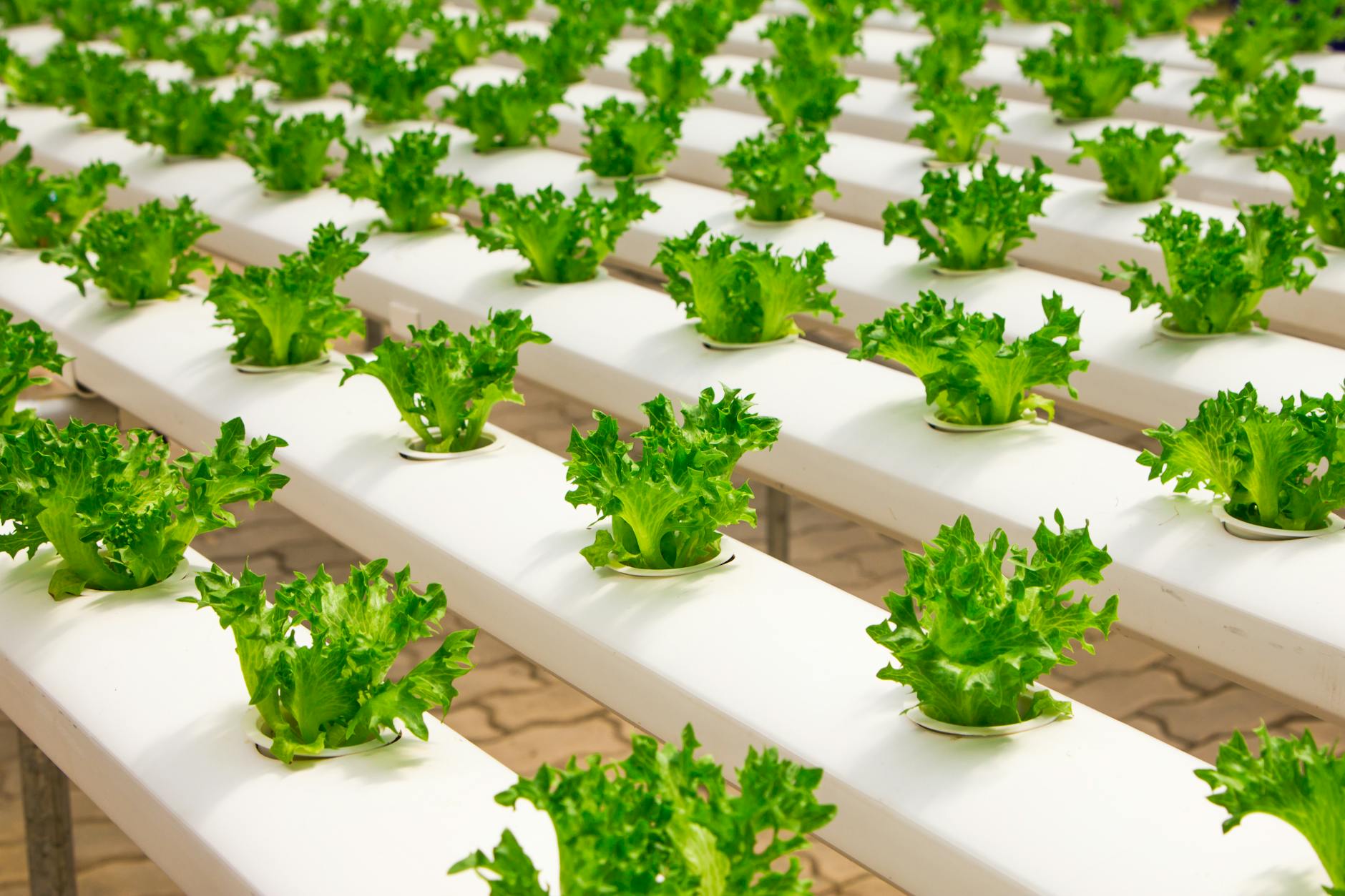
There's immense satisfaction in nurturing something from almost nothing, especially when it comes to edibles. And for urban gardeners like us, often working with limited space and resources, the idea of getting a second, or even a third, harvest from something we’d typically toss is incredibly appealing. That’s why I want to dive deep into a topic close to my heart (pun intended!): how to regrow lettuce heart in soil over a 30-day period. It's a simple, rewarding project perfect for apartment dwellers, and I promise you, the taste of homegrown lettuce that you literally resurrected is unparalleled.
I’ve experimented with many regrowing techniques, from celery bottoms in water to green onions on windowsills, but lettuce holds a special place. Its rapid growth and consistent yield make it a star in the urban garden. This isn't just about saving a few bucks; it's about connecting with your food, reducing waste, and experiencing the magic of growth right on your balcony or kitchen counter.
Why This Method Works
Before we dig in, let's understand why regrowing lettuce from its heart is so effective. It all boils down to basic plant biology. When you buy a head of lettuce – be it romaine, butterhead, or even some loose-leaf varieties – you're essentially getting a plant that still has its meristematic tissue intact at the base. This is the plant's growth powerhouse, the part responsible for producing new cells and, subsequently, new leaves and roots.
When you cut the leaves for your salad, you often leave about an inch or two of the core. This core, or "heart," still contains those vital cells. Submersing this base in water initially, and then transferring it to a nutrient-rich medium like soil, stimulates these cells to regenerate. The plant essentially thinks, "Oh, I need to survive!" and pushes out new roots to find nutrients and new leaves to photosynthesize. It’s a remarkable display of nature’s resilience.
In my experience, lettuce is particularly good at this because it’s a relatively fast-growing annual. Even though it's technically trying to bolt (flower and produce seeds) in its natural lifecycle, by consistently harvesting the outer leaves, we can trick it into producing edible greens for weeks.
What You'll Need
One of the beauties of this project is its simplicity and minimal requirements. You probably have most of these things already!
- Lettuce Heart: This is your star ingredient. After using a head of lettuce, cut about 1-2 inches (2.5-5 cm) from the base. Make sure it looks firm and healthy, not mushy or discolored. Romaine and butterhead work exceptionally well.
- Small Bowl or Dish: For the initial water-regrowth phase. Any shallow container that can hold about an inch of water will do.
- Pot (Container): I recommend a pot that's at least 6 inches (15 cm) in diameter and depth. This gives the roots enough space to spread out and anchor the plant properly. Plastic or terracotta both work, but terracotta will dry out faster, so keep an eye on watering. Ensure it has drainage holes!
- All-Purpose Potting Mix: A good quality, loose, well-draining potting mix is crucial. Don't skimp here; it makes a huge difference in root development and overall plant health. I've found mixes with some perlite or vermiculite work best for aeration. For precise calculations on how much soil you'll need for your chosen pot, check out our soil volume calculator at MicroGardenHacks. It’s a lifesaver for avoiding overbuying or coming up short!
- Water: Tap water is fine. If your tap water is heavily chlorinated, let it sit out for 24 hours to allow the chlorine to dissipate.
- Spray Bottle: Handy for misting new growth and keeping the soil surface moist in the early stages.
- Sunny Spot: Lettuce needs at least 4-6 hours of direct sunlight per day. A south-facing window, balcony, or well-lit outdoor space is ideal. If you don't have enough light, consider a grow light – even a small LED one can make a difference.
Step-by-Step Guide
Let's break this down into manageable phases over our 30-day journey.
Days 1-3: Setup and Initial Water Regrowth
This is where the magic begins. Take your lettuce heart and place it in a small bowl or dish with about 0.5-1 inch (1.2-2.5 cm) of water. The goal is to keep the very bottom moist, but not to submerge the entire core, which can lead to rot. Place this in a sunny spot. You'll want to change the water daily to prevent bacterial growth. Within 1-2 days, you should start seeing tiny nubs of roots emerging from the base and maybe some faint green growth from the center.
Days 4-7: Root Development and Early Leaf Growth
By day 4, those root nubs should be more pronounced, and you’ll definitely see new, tightly packed leaves forming in the center of the core. Continue changing the water daily. It’s amazing how quickly lettuce responds! I often notice that if I let the water sit for too long, the new growth slows down, so fresh water is key here.
Days 8-10: Transfer to Soil
Once your lettuce heart has developed a decent network of roots – typically 0.5-1 inch long – and you see significant new leaf growth (often 1-2 inches tall), it's time to transfer it to its permanent soil home. Gently plant the lettuce heart into your prepared pot, burying only the bottom rooted section. The base of the old heart should be just at or slightly above the soil line. Water it in thoroughly immediately after planting. The goal is to settle the soil around the roots and minimize transplant shock. Keep it in its sunny location.
Days 11-20: Steady Growth and First Harvest
During this period, your lettuce will be actively photosynthesizing and putting on significant new growth. Water regularly, ensuring the soil stays consistently moist but not waterlogged. I usually check the soil moisture daily by sticking my finger about an inch deep – if it feels dry, it's time to water. You can also mist the leaves occasionally, especially if your indoor air is dry. By day 15-20, you should have enough outer leaves to start your first small harvest! Use the "cut and come again" method: selectively snip the larger, outer leaves from the base, leaving the inner ones to continue growing. This encourages the plant to produce more leaves.
Days 21-30: Continued Harvests and Monitoring
As you approach day 30, your lettuce plant should be a prolific producer. Continue harvesting the outer leaves as needed for your salads. Keep an eye on watering and ensure it's still getting plenty of light. You might notice the plant starting to stretch or "bolt" – this is when it sends up a central stalk to flower and produce seeds. If this happens, the leaves can become bitter. While you can continue to harvest for a short period, the quality will decline. At this point, I usually decide it's time to compost the plant and start a new regrow project. On average, you can get 2-3 good harvests from a single regrown heart before it starts to decline.
Troubleshooting Tip: If your lettuce looks leggy or pale, it's likely not getting enough light. Move it to a brighter spot or supplement with a grow light. If leaves are turning yellow and mushy, you might be overwatering; cut back and improve drainage. If new growth is slow, consider adding a very diluted liquid organic fertilizer during watering every couple of weeks after the first week in soil.
Common Mistakes to Avoid
Even though this process is forgiving, there are a few common pitfalls that can derail your regrowing efforts:
- Not Changing Water Frequently Enough: This is a big one. Stagnant water quickly becomes a breeding ground for bacteria and algae, which can lead to rot before your roots even have a chance to develop. Always change the water daily in the initial phase. I’ve lost several promising hearts to this simple oversight.
- Burying the Entire Core in Soil: When transferring to soil, some people completely bury the old lettuce heart. This can lead to rot, especially if the soil stays too wet. You only need to cover the newly formed roots and just the very bottom of the old core. The crown, where new growth emerges, should be exposed to air and light.
- Insufficient Light: Lettuce is a sun-lover. If your regrown lettuce is looking weak, pale, and stretched out (leggy), it's almost certainly yearning for more light. A dim corner simply won't cut it. Either relocate it to a truly sunny spot or invest in a small grow light. I've found even an inexpensive LED grow light can make a huge difference in an apartment with less-than-ideal natural light.
- Overwatering (or Underwatering): This is a perpetual balancing act for any gardener. Too much water leads to root rot, starved of oxygen. Too little, and your plant will wilt and eventually dry out. Feel the soil. It should be moist like a wrung-out sponge, not soaking wet. Remember, excess water should drain freely from the bottom of the pot. Many beginners assume more water is always better; with plants, moderation is key.
Pro Tips for Maximum Success
Ready to take your regrown lettuce game to the next level? Here are a few things I've learned that make a real difference:
- Start with a Healthy Heart: The quality of your initial lettuce heart dictates a lot. Choose one that feels firm, looks fresh, and isn't showing signs of discoloration or sliminess at the base. A strong start leads to a strong finish.
- Use a Heat Mat (Optional, but Handy): If you’re regrowing in a cool environment, especially during winter, a seedling heat mat can greatly accelerate root development and initial growth. Warmer temperatures stimulate growth, and I've seen roots pop out much faster with one.
- Consider Nutrient Water: Once your lettuce is in the soil and actively growing, you can give it a gentle boost. After its first week in soil, I often use a very diluted (half-strength) liquid organic fertilizer, like a balanced 4-4-4, dissolved in water during a regular watering session, about once every 2-3 weeks. This provides essential nutrients that tap water alone can’t offer, especially in a pot where nutrients can deplete.
- Practice Successive Planting: Don't just do one! If you regularly eat lettuce, keep several hearts going at different stages. This ensures a continuous supply of fresh greens. For instance, start a new heart in water every week. By the time one plant is starting to bolt, you'll have another one ready for harvest. If you're planning multiple lettuce hearts in one pot, remember to leave adequate space for their mature size. Our plant spacing calculator can help you figure out the optimal arrangement for a healthy, uncrowded crop!
Regrowing lettuce from a heart is truly a gateway into the incredible world of urban gardening. It's a simple, low-cost project that provides tangible results and delicious greens right on your windowsill or balcony. It’s also incredibly empowering to see how much life is left in what we often consider kitchen scraps. So, why wait? Grab that next lettuce heart and start your own 30-day journey today. And remember, for any precise measurements or planning, our free calculators at MicroGardenHacks are always there to help you out.
Keep exploring related guides
Follow the topic cluster below to discover more growing methods, troubleshooting advice, and crop-specific tutorials.