Window Box
Purple Basil: Window Box & Mason Jar Container Guide
Learn how to purple basil window box mason jar in your apartment. Step-by-step guide with expert tips.
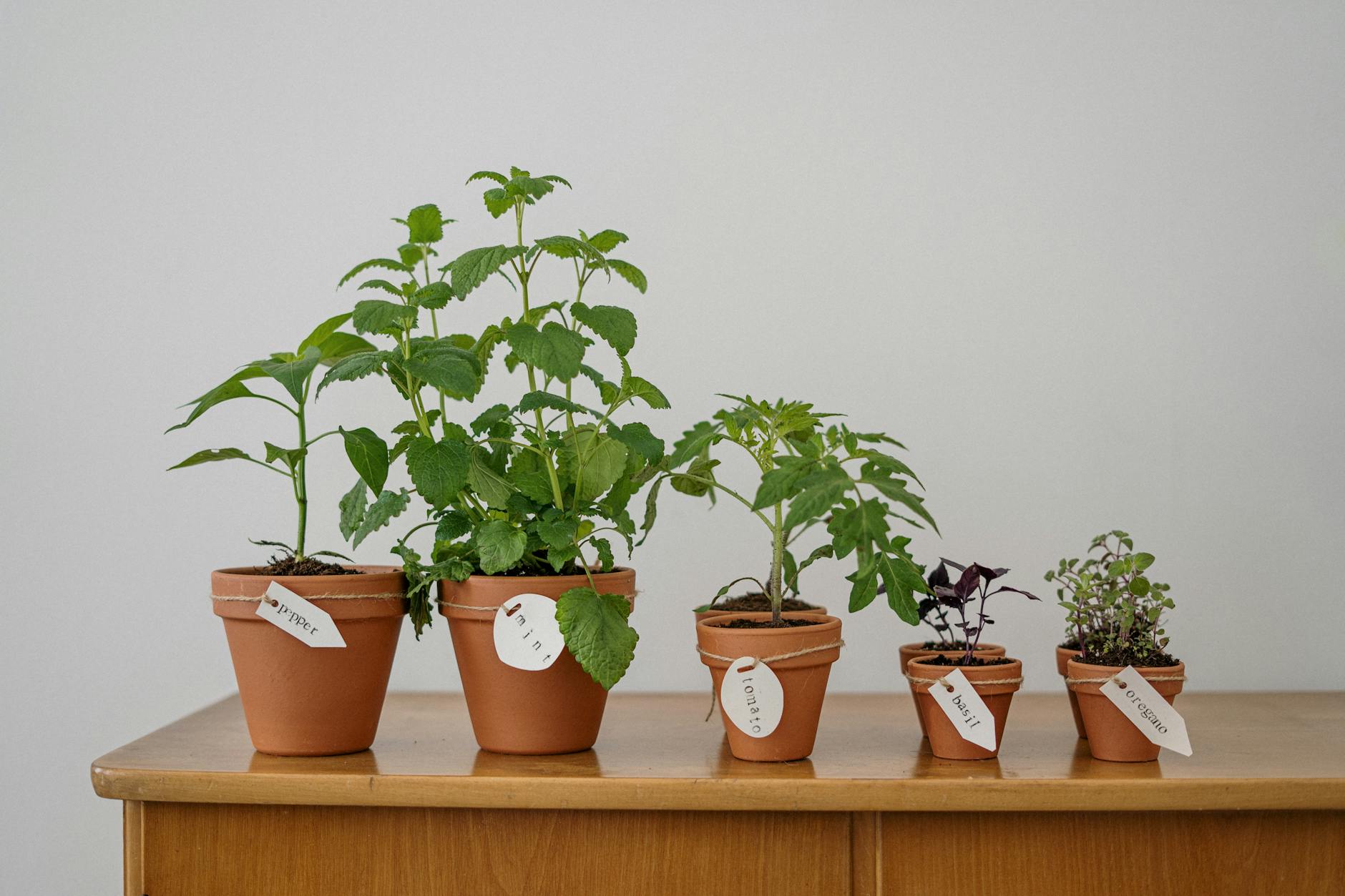
Why Purple Basil Does So Well with Window Box
Okay, so picture this: You’re wanting fresh herbs, right? Not the sad, droopy ones from the supermarket. You want that vibrant color, that incredible aroma, something that screams "I grew this myself!" And honestly, when it comes to visual pop and flavor, purple basil is just *chef's kiss*. It's got this gorgeous deep, almost black-purple hue, and a slightly spicier, sometimes sweeter note than green basil. It’s also surprisingly adaptable.
I’ve grown purple basil in everything from gigantic fabric pots on a Brooklyn fire escape to tiny little planters under grow lights in my Chicago apartment. But hands down, one of my favorite, most rewarding setups for purple basil – especially for getting those first seedlings going – is using a window box. Not just a regular window box, but one where you start your tiny basil babies in a mason jar. It sounds a little quirky, I know, but trust me on this one. It's a fantastic way to give those little sprouts the individual attention they need before they're ready for the big world of a window box, or even a larger vertical setup like my guide on water-wise purple basil with drip irrigation. Plus, it looks super chic on a windowsill. We're breaking down how to manage purple basil in a window box, specifically starting in a mason jar over the first 2-3 weeks.
What You'll Actually Need
Container: Mason Jar, System: Window Box
Look, you don't need a crazy expensive setup here. That's the beauty of micro-gardening. We're repurposing and making things work efficiently.
- Purple Basil Seeds: Obvious, I know, but get good quality ones. I've had great luck with seeds from Botanical Interests or Baker Creek Heirloom Seeds. They germinate reliably.
- Mason Jars (pint or quart): You'll want at least 2-3 for starting your seeds. The clear glass lets you see what's happening with the roots, which is super educational, especially for new growers.
- Window Box: Choose one that fits your window. Terracotta looks amazing and breathes well, but plastic is lighter and holds moisture better. For window boxes, I'm always thinking about drainage, so make sure it has holes or you can drill them in easily. Maybe even check out my tips for maximizing lettuce in terracotta window boxes – many of the principles apply here too!
- Potting Mix: This is critical. Don't skimp. I swear by FoxFarm Ocean Forest for starting mixes. It has a great balance of aeration and nutrients without being too heavy. Sometimes I'll add a little extra perlite (about 10-15%) for even better drainage, especially when starting seeds. Basil hates wet feet more than I hate getting up early.
- Pebbles or Clay Balls (Leca): A thin layer at the bottom of your window box, maybe an inch or so, helps with drainage and creates a little humidity pocket without waterlogging the roots of whatever you put in it eventually.
- Spray Bottle: For gentle watering of seedlings.
- Light Source: This is HUGE. A sunny south-facing window is ideal. If you don't have one, a simple LED grow light (a full-spectrum one, 6500K is good) on a timer for 12-14 hours a day will save your bacon. Last March, my first purple basil batch in a mason jar got leggy because I skimped on light – lesson learned the hard way. The seedlings stretched and were weak. Don't be like past Jamie!
- Small Trowel or Spoon: For moving soil.
- Labeling Sticks: So you don't forget what you planted where. I've done it, and it's always an embarrassing guessing game later.
The Growing Process, Step by Step
Alright, let's get our hands dirty. The goal here is strong, healthy starts that are ready for their bigger window box home.
Week 1: Seed Starting in Mason Jars
- Prep Your Jars: Clean those mason jars. Sterilize them if you want to be extra careful, but usually, a good wash is fine.
- Add Soil: Fill your mason jars almost to the top (leave about an inch) with your quality potting mix. Gently pat it down, but don't compact it. You want it fluffy for those tiny roots.
- Planting Seeds: Basil seeds are small. Plant 3-4 seeds per mason jar, about 1/4 inch deep. Cover lightly with soil. This gives you some insurance in case some don't germinate.
- Water Gently: Use your spray bottle to thoroughly mist the soil until it’s damp, not soaking wet. The key with basil seeds is consistent moisture.
- Warmth and Light: Place your mason jars in your window box (without soil in the window box for now, just resting them there). Position the window box in your sunny window or under your grow light. Basil loves warmth (70°F/21°C is ideal for germination), so if your space is chilly, a warming mat can speed things up, but it's not strictly necessary. You should see sprouts in about 5-10 days. Just keep that soil moist!
Week 2: Thinning and Early Care
- The Big Thin: Once your seedlings have developed their first set of true leaves (these are the leaves that look like actual basil, not the tiny initial ones), it's time to thin them. Pick the strongest, stockiest seedling in each jar and gently snip off the others at the soil line with small scissors. Don't pull them out, or you might disturb the roots of your chosen survivor. This is crucial for giving your plant enough space and resources to thrive.
- Consistent Watering: Keep misting or watering very gently when the top inch of soil feels dry. Remember, basil hates being waterlogged, but also totally drying out. It's a delicate balance!
- Light Adjustment: Ensure those lights are still about 2-4 inches above your seedlings. If they start to get leggy (long, spindly stems), they're reaching for more light. Lower your light or find a sunnier spot. This is where my past self failed and learned. Seriously, light makes *all* the difference. If you're using grow lights, make sure you're optimizing it, just like I discussed for boosting indoor mizuna.
Week 3: Preparing for the Window Box
- Root Check: This is the cool part about mason jars! You should start to see roots against the glass. This tells you your plant is developing well.
- Hardening Off (Optional, but Recommended): If your window box is going to an outdoor window, you'll want to "harden off" your basil plants. This means gradually introducing them to outdoor conditions (sun, wind, cooler temps) over a week. Start with an hour in a sheltered spot, increasing time each day. If your window box is indoors, you can skip this step.
- Prep the Window Box: Now, for the window box itself. Lay down your layer of pebbles or LECA balls at the bottom. Then, fill the window box with your quality potting mix, leaving about an inch from the top.
- Transplanting: Carefully remove your strongest basil seedling from its mason jar. The easiest way is to gently loosen the soil around the edges with a knife, then tip the jar and slide the root ball out. Try not to disturb the roots too much. Create a hole in your window box soil, place the basil seedling in, and backfill with soil. Plant them about 6-8 inches apart if you're putting more than one. Water thoroughly after transplanting.
You'll quickly see your purple basil settling into its new home. The deep colors will pop, and that unmistakable aroma will start filling your space. It's truly one of the most rewarding small plants to grow.
Mistakes I've Made (So You Don't Have To)
Oh boy, where do I start? I've made all the blunders. My biggest "duh" moment was with watering. I thought, "More water, bigger plant, right?" Wrong. Basil, especially purple basil, is susceptible to fungal issues like damping-off if it's too wet. I killed so many early batches by overwatering. Now I err on the side of slightly dry rather than overly wet. And always, always check the soil moisture with your finger, not just your eyes.
Another one was planting too many seeds and not thinning. I'd think, "Oh, they're so cute, I can't pick!" And then I'd end up with leggy, weak plants all competing for light and nutrients, none of them thriving. Tough love is necessary sometimes. Thinning is brutal but essential. Trust me, one strong plant is better than five weak ones.
And then there was the light issue. As I mentioned earlier, my leggy basil phase. I thought a bright room was enough. It wasn't. Especially in winter in Portland, where even a "sunny" window is barely getting enough direct light. Now, I always factor in an affordable LED grow light for my starts. Seriously, it's a small investment for huge results. No more spindly, sad seedlings.
Little Things That Make a Big Difference
- Pinching: Once your basil plant has about 3-4 sets of true leaves, start pinching. Pinch off the top set of leaves just above a leaf node. This encourages the plant to branch out, giving you a bushier plant with more leaves, rather than a tall, straggly one that tries to flower too early.
- Air Circulation: Basil is prone to powdery mildew, especially in humid conditions. Make sure your window box area has good airflow. If it's indoors, a small oscillating fan can help mimic outdoor breezes and strengthen stems.
- Fertilize Lightly: Once your basil is established (a few weeks after transplanting), you can start feeding it a diluted liquid fish emulsion or an all-purpose organic fertilizer every couple of weeks. But go easy! Like a good cup of coffee, too much isn't always better.
- Rotate Your Window Box: If your light source is one-sided, rotate your window box every few days. This ensures even growth and prevents your plants from leaning too much.
When to Harvest and What to Expect
You can start harvesting your purple basil leaves once the plant is a decent size and has several sets of leaves, usually a few weeks after transplanting into the window box. Don't take more than a third of the plant at a time. The more you pinch and harvest from the top, the bushier and more productive your plant will become. You'll stimulate new growth from those leaf nodes.
Expect that gorgeous dark purple color, sometimes with hints of green underneath. The aroma will be incredible – slightly clove-like, peppery, sweet. You'll notice it every time you walk past your window. Use it in pestos, salads, garnish a pizza, or just rub a leaf between your fingers for a quick scent fix. There's nothing quite like fresh, homegrown purple basil. It's a little bit of magic right there in your kitchen window.
Keep exploring related guides
Follow the topic cluster below to discover more growing methods, troubleshooting advice, and crop-specific tutorials.