Support
Melon sling support for container melons
Learn how to melon sling support container melons in your apartment. Step-by-step guide with photos, calculator links, and supply list.
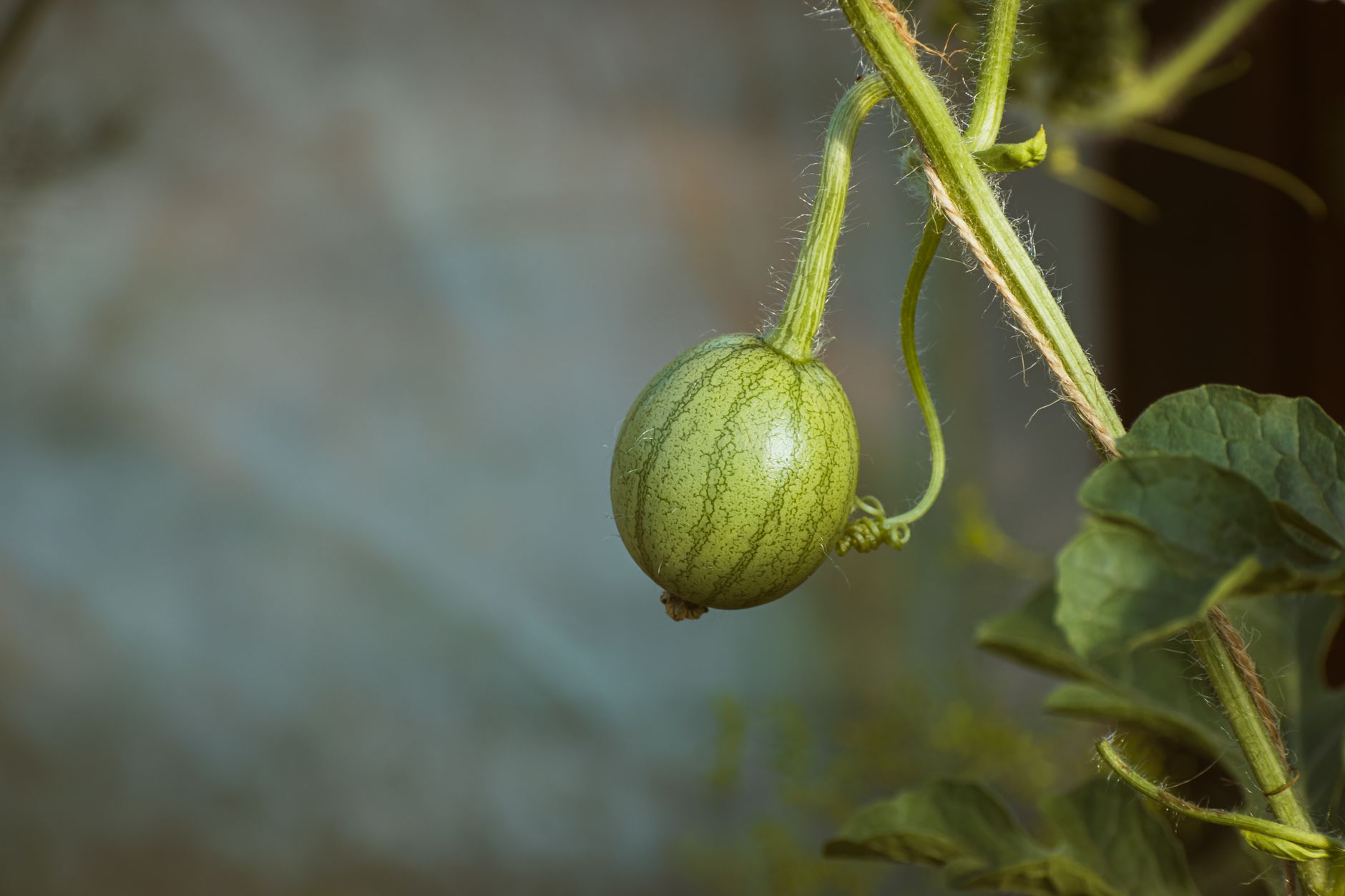
As an urban gardener, I'm always looking for ways to maximize my yields in limited spaces. One of my favorite techniques, and a true game-changer for me, has been the strategic use of melon sling support for container melons. If you've ever dreamed of harvesting juicy, homegrown cantaloupes or watermelons on your balcony or patio, this method is your ticket to success. I've found that with a little ingenuity and the right support system, even apartment dwellers can enjoy these sprawling, sun-loving fruits without their vines taking over everything.
Why This Method Works
Growing melons in containers presents a few unique challenges. Firstly, the sheer size and weight of a ripening melon put immense stress on the vine. Without proper support, the fruit can snap the stem, drop to the ground, or simply never develop fully dueishing from the plant's energy being diverted from fruit production to vine repair. Secondly, melons are enthusiastic climbers. Left to their own devices, they'll sprawl across your precious balcony space, shading out other plants and becoming a tangled mess. This method addresses both of these issues head-on.
The science behind it is pretty straightforward. By providing a sturdy sling, we distribute the weight of the developing fruit, preventing stem breakage and allowing the plant to focus its energy on ripening delicious melons. The support structure itself, whether a cage or a trellis, then encourages vertical growth. This verticality isn't just about saving space; it also improves air circulation around the plants, which drastically reduces the risk of fungal diseases – a common enemy in humid urban environments. Furthermore, vertical growth exposes more leaves to sunlight, increasing photosynthetic efficiency and ultimately, fruit size and sweetness. I've seen firsthand how a well-supported melon plant can produce significantly more fruit than its unsupported counterparts, all while keeping things tidy.
What You'll Need
Getting started with container melons requires a bit of upfront planning, but the investment in the right supplies pays dividends in juicy harvests. Here's what I recommend:
- Container: This is critical. For most common melon varieties (like smaller cantaloupes or icebox watermelons), I've found that a 15-20 gallon fabric grow bag (around 18-20 inches in diameter) is ideal. Fabric pots offer excellent drainage and aeration, which prevents root rot and encourages a healthy root system. While plastic or terracotta can work, ensure they have ample drainage holes. Smaller pots will stunt your plant's growth and drastically reduce fruit size.
- Growing Medium: Don't skimp here. A high-quality, well-draining potting mix is essential. I usually create my own blend: 60% good quality potting soil, 20% compost (for nutrients), and 20% perlite or vermiculite (for aeration and moisture retention). Melons are heavy feeders, so a nutrient-rich mix from the start is important. Before you grab your bags of soil, make sure you know exactly how much you need! Check out our soil volume calculator for precise measurements based on your container size.
- Support System: This is where the magic happens.
- Sturdy Trellis or Cage: For climbing melons, you'll need something robust. Heavy-duty tomato cages (the tall, sturdy ones, not the flimsy wire kind) work well, or a strong A-frame or obelisk trellis. I prefer a trellis that's at least 5-6 feet tall.
- Fabric Slings: This is the "melon sling" part! You can buy specialized melon cradles, but I've had great success making my own from old t-shirts, pantyhose, or even burlap sacks. Cut the fabric into strips about 4-6 inches wide and about 2-3 feet long. You'll need several for each plant.
- Fertilizer: A balanced liquid fertilizer (like a 5-1-1 or 5-5-5) for initial growth, and then a higher phosphorus/potassium fertilizer (like a 2-5-4) once flowering begins to encourage fruit set and development. Organic options like fish emulsion and kelp meal are excellent choices.
- Watering Can or Hose: Consistent watering is crucial.
- Pruning Shears/Snips: For training and shaping your vines.
- Small Stakes or Plant Clips: To help initially guide the vines up the trellis.
Step-by-Step Guide
Growing container melons is a rewarding process that unfolds over several weeks. Here’s my timeline, based on an average 80-90 day melon variety:
Days 1-3: Setup and Planting
Start by filling your chosen fabric grow bag with your prepared potting mix, leaving about 2 inches of space from the rim. Plant 2-3 melon seeds about 1 inch deep in the center of the pot, or transplant one healthy melon seedling. Water thoroughly. Immediately set up your robust trellis or support cage. Push the legs deep into the soil for stability. I always prefer to do this at planting, so I don't disturb the roots later on.
Days 4-7: Initial Growth and Thinning
Keep the soil consistently moist. In a few days, you should see sprouts emerging. Once the seedlings have their first set of true leaves (typically a week or so), thin them to the strongest single seedling per pot. Snip the weaker ones at the soil line to avoid disturbing the roots of the keeper.
Days 8-21: Vine Development and Training
Your melon vine will start to grow rapidly. As soon as it's long enough (around 6-8 inches), gently begin to train it up your trellis. I use soft plant ties or clips to loosely attach the main stem to the support structure. Melons naturally want to climb, but a little guidance early on helps them get established in the right direction. Inspect daily for pests and water consistently.
Days 22-45: Flowering and Fertilizing
Around this time, you'll start to see small yellow flowers appearing. Melons produce both male and female flowers. Male flowers usually appear first, followed by female flowers (which have a tiny swollen base, representing the undeveloped fruit). If you’re growing outdoors, pollinators will do their job. If indoors or on a high-rise balcony with limited insect activity, you might need to hand-pollinate. Use a small paintbrush or cotton swab to transfer pollen from a male flower to a female flower. This is also when I switch to a bloom-boosting fertilizer, feeding every 10-14 days according to package directions.
Days 46-60: Fruit Set and Sling Time
If pollination was successful, you'll see tiny melons starting to swell from the base of the female flowers. This is the crucial stage for sling deployment! Once your melons are about the size of a tennis ball or softball, it's time to create your slings. Tie one end of your fabric strip securely to a strong part of the trellis directly above the melon. Gently place the melon into the center of the sling, bringing the other ends of the fabric up and tying them securely to the trellis. The goal is for the sling to take the weight of the fruit, not the vine. As the melon grows, adjust the sling if needed. Neglecting slings can lead to snapped vines.
Days 61-80+: Ripening and Harvesting
Continue monitoring your melons. They'll grow quickly now. Keep them well-watered, especially during dry spells, and continue with your fruiting fertilizer every 2 weeks. The signs of ripeness vary by type, but generally look for a change in skin color, a fragrant aroma, and a slight softening around the stem. For cantaloupes, the stem will often "slip" easily from the vine with a gentle tug. Watermelons will often have a duller skin, a yellow patch where they rested, and a hollow sound when tapped. I usually harvest my melons in the morning for the best flavor. Enjoy your hard-earned, homegrown bounty!
Troubleshooting Tip: If you notice yellowing leaves, it could be a sign of nutrient deficiency (especially nitrogen, if it's lower leaves) or overwatering. Check your watering schedule and consider a balanced fertilizer. If flowers are dropping without setting fruit, it's usually a pollination issue.”
Common Mistakes to Avoid
- Too Small a Container: I've seen countless beginners try to grow melons in 5-gallon pots. It just doesn't work. Melons are thirsty, hungry plants with extensive root systems. A small pot restricts root growth, which stunts the entire plant and leads to tiny, bland fruit. Always opt for at least 15 gallons, preferably 20.
- Inadequate Support: Thinking a flimsy stick will hold a 10-pound melon is wishful thinking. Without strong support for both the vine and the fruit, your efforts will likely end with broken stems and dropped melons. Invest in a robust trellis and don't delay adding those slings.
- Inconsistent Watering: Melons need consistent moisture, especially when fruits are developing. Dry spells followed by heavy watering can lead to blossom end rot or split fruits. Aim for consistently moist, but not waterlogged, soil. Stick your finger an inch or two into the soil; if it feels dry, it's time to water.
- Poor Pollination: If you're seeing lots of flowers but no fruit, it's almost always a pollination problem. If you don't have many bees or flying insects, you'll need to hand-pollinate. It's a quick, simple task, but essential for fruit set.
Pro Tips for Maximum Success
- MicroClimate Management: Melons love heat. On cooler days or in shadier spots, consider placing dark-colored mulch around the base of the plant to absorb and radiate heat. You can also temporarily rig up a mini hoop house with clear plastic sheeting on chilly nights.
- Pruning for Production: While some people let melons sprawl, I've found judicious pruning increases yields and manageability in containers. Once primary vines have started to climb, I often pinch off lateral (side) shoots that don't have flowers or are growing in unproductive directions. Focus the plant's energy on a few strong fruiting vines.
- Nutrient Cycling: Beyond initial feeding, I like to top-dress my melon containers with a fresh layer of compost every 3-4 weeks. This provides a slow release of nutrients and improves soil structure, keeping the microbes happy.
- Pest Patrol Proactive: Melons are susceptible to aphids, squash bugs, and cucumber beetles. Inspect your plants daily, especially the undersides of leaves. Early detection is key. I keep a spray bottle of insecticidal soap or neem oil handy for quick intervention. Good air circulation from vertical growth helps, but vigilance is still necessary.
There's nothing quite like slicing into a perfectly ripe, sweet melon you grew yourself, especially when you're doing it in an urban environment. With the right melon sling support and a bit of dedication, you can absolutely achieve a fantastic harvest of container melons. Don't be shy; start planning your melon patch today! And remember, for any precise measurements you need, be sure to check out our soil volume calculator and plant spacing calculator – they're great resources to help you get started right.
Keep exploring related guides
Follow the topic cluster below to discover more growing methods, troubleshooting advice, and crop-specific tutorials.