Vertical Tower
Optimal Humidity for Lettuce: Vertical Tower Crate Growing Success
Learn how to lettuce vertical tower humidity control in your apartment. Step-by-step guide with expert tips.
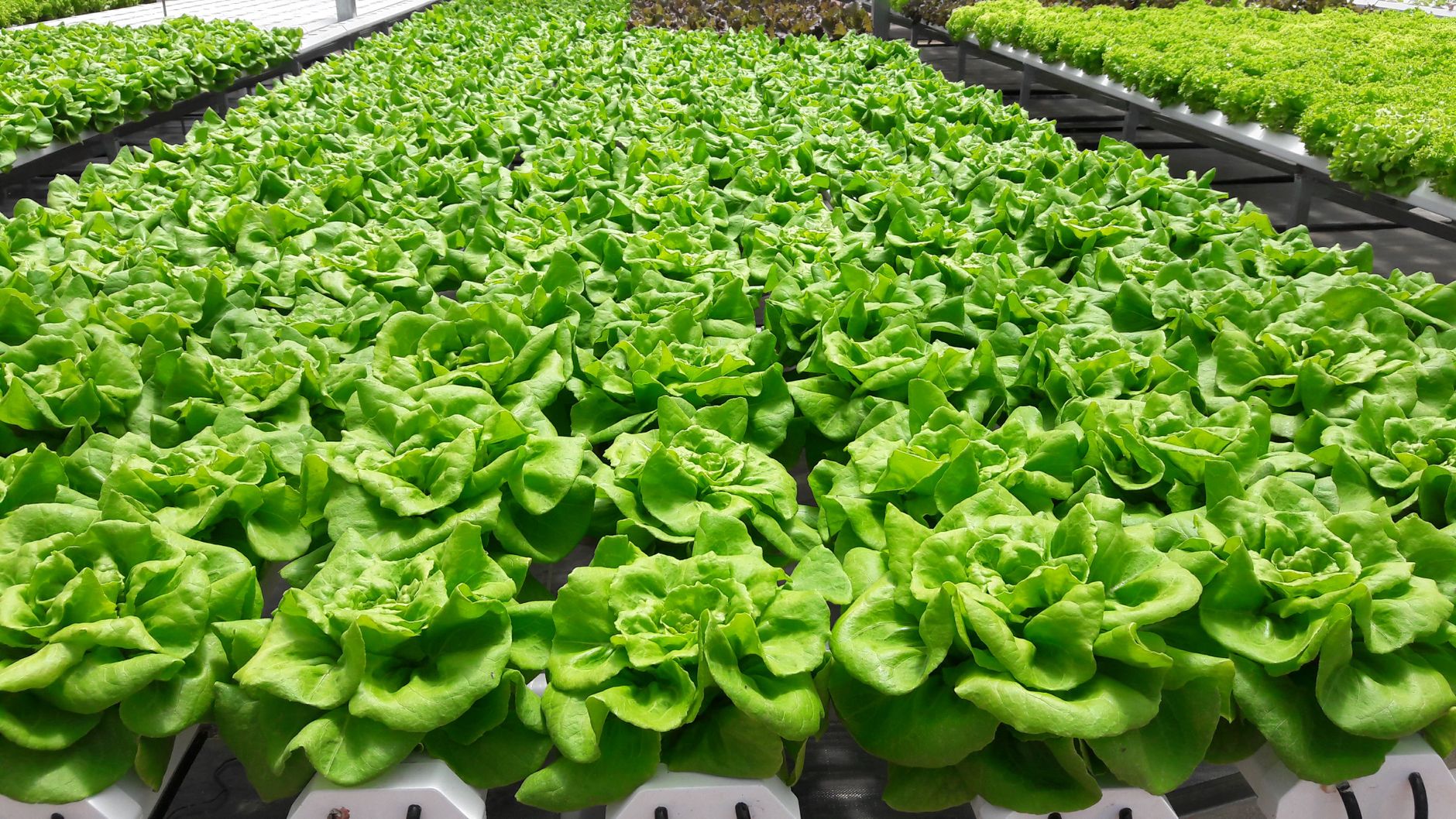
Optimal Humidity for Lettuce: Vertical Tower Crate Growing Success
Man, I’m always tweaking something in my micro-gardens, right? It’s an ongoing experiment. Lately, I've been getting a ton of questions about *lettuce vertical tower humidity control*, especially for those of us trying to keep a steady supply going in a wooden crate setup. And you know what? Humidity is one of those sneaky variables that can make or break your leafy green dreams. Everyone thinks about light and water, but humidity? It often gets overlooked until your lettuce starts looking sad and wilty or, even worse, develops some funky mold. Trust me, I've been there.Why Lettuce Does So Well with Vertical Tower
Okay, let's start with why we even bother with vertical towers for lettuce. First off, space. I mean, I’ve gardened in a super-tiny Brooklyn apartment, a slightly bigger place in Chicago, and now my current spot in Portland. Every square inch counts! A vertical tower lets you pack in way more plants than flat trays. Second, air circulation. When you get plants up and off the ground, especially in something like a wooden crate, it usually means better airflow around the leaves. This is crucial for preventing fungal issues, something lettuce is super prone to if it's too damp for too long. And honestly, it just looks cool. A thriving vertical tower filled with vibrant greens? Instant curb appeal, even if your "curb" is just your kitchen window. We’ve even talked about making a [Vertical lettuce tower from PVC pipe 60 day], which is another fantastic option.What You'll Actually Need
We're talking about a specific setup here, so let’s break down the essentials.- Strong, untreated wooden crate
- A vertical tower system designed for crates or a DIY version (I’ve used everything from repurposed plastic bottles to actual tiered planters inside crates).
- Good quality potting mix: I’m a huge fan of FoxFarm Ocean Forest. It's got awesome drainage and just the right amount of nutrients to kick things off without overdoing it.
- Lettuce seeds or starts (duh!) – choose varieties that do well in containers. Romaine, butterhead, and loose-leaf types are usually winners.
- A small fan (USB-powered works great)
- A hygrometer/thermometer combo. You can grab one for less than a decent coffee these days.
- A spray bottle for misting.
- Optional: A small humidifier or dehumidifier, depending on your ambient conditions.
The Growing Process, Step by Step
This isn't a sprint, it's a marathon. We're talking 4-6 months here, meaning you'll want to stagger your plantings for a continuous harvest.Month 1: Seed Starting & Early Growth
First up, you're getting your seeds going. I usually start mine in small seed cell trays or even repurposed yogurt containers. Good drainage is key. Keep them warm and uniformly moist. This is a critical period for *lettuce vertical tower humidity control*. You want that soil surface moist but not waterlogged. For germination, I aim for about 60-70% humidity. If your air is super dry (common in winter with indoor heating), a clear dome or even cling film over the seed trays helps a ton. Just remember to air it out daily. Once they sprout, they need light – and good light! Remember that time my first lettuce batch in a wooden crate, last March, got super leggy because I skimped on the light? Yeah, they stretched like crazy, all pale and weak. Lesson learned: high-quality grow lights are non-negotiable for sturdy starts.Months 2-3: Transplanting & Establishment
As your seedlings get their first true leaves and are about 2-3 inches tall, it's time to move them into your vertical tower in the crate. Be gentle! Their tiny root systems are delicate. Space them according to your tower design – typically you’ll be able to fit a good number in each tier. At this stage, your *lettuce vertical tower humidity control* becomes about maintaining a sweet spot: 50-60%. Too low, and your leaves can dry out at the edges; too high, and you're inviting fungal nasties like downy mildew. This is where your hygrometer comes in. If it’s dipping too low, a quick misting with the spray bottle once or twice a day can help. If it’s too high, that little fan becomes your best friend. Position it so it gently circulates air around the plants, not blasting them. You want a soft breeze, not a hurricane. I've often seen folks just plunk their plants in the crate without considering airflow. Big mistake. Stagnant air is a killer.Months 4-6: Ongoing Growth & Harvesting
Your lettuce should be thriving now, looking lush and green. You'll be doing cut-and-come-again harvesting, picking the outer leaves and letting the plant continue to produce from the center. This is where the staggered planting really pays off; you always have fresh greens! Keep an eye on that humidity. As the plants grow larger, they release more moisture into the air, potentially increasing local humidity. This is especially true if you’ve got a dense planting. The fan might need to run more often. I also pay attention to the seasons. In Portland, our summers can get surprisingly dry, so I might mist more. But come fall, when the air gets damp and chilly, I lean on that fan heavily. I've had entire crops turn moldy in October when I wasn't diligent with my air circulation. It was heartbreaking to see those beautiful outer leaves just melt into a soggy mess. Live and learn, right?Mistakes I've Made (So You Don't Have To)
Oh boy, where do I even begin? Many of my best lessons come from epic fails. One time, I tried to sprout lettuce in my super-heated Chicago apartment in December. The humidity was, like, 20%. My seeds just sat there, laughing at me, refusing to germinate. It wasn't until I put them in a mini-greenhouse (basically a clear plastic tub with a lid) that they finally popped. The takeaway? Early stage humidity is EVERYTHING. Another classic mistake I’ve made, especially with denser plantings, is underestimating the power of a small fan. I once had a beautiful vertical tower overflowing with butterhead lettuce, but I got lazy with the fan. Within a week, I noticed little fuzzy gray spots – botrytis! It spread like wildfire. Had to pull out a good third of the plants. It absolutely stunk. That's why I'm evangelical about airflow. Seriously, air movement is your secret weapon against various fungal diseases. The RHS has some great resources on plant diseases caused by poor ventilation, which I’ve definitely consulted in my time.Little Things That Make a Big Difference
- Watering schedule: Don’t just water on a schedule. Feel the soil. Stick your finger in there. It should be consistently moist, but never soggy. Overwatering can lead to root rot, which then makes your plants less resilient to humidity swings.
- Leaf removal: As you harvest, remove any discolored or old leaves at the bottom of the plant. These can trap moisture and become breeding grounds for mold. It also provides better air circulation within the plant canopy itself.
- Monitoring: That little hygrometer isn't just for show. Check it regularly! Keep notes if you're a super-nerd like me. You'll start to recognize patterns in your home environment.
- Location strategy: If your crate is near a window, consider how the sun affects moisture levels throughout the day. Direct sun can dry things out quickly, but too much shade can keep things too damp. It’s a delicate balance.
- Good companions: Did you know some plants help ward off pests that thrive in certain conditions? I mean, we've talked about [Companion planting lettuce and chives slug deterrent], so think about adding some aromatic herbs around your lettuce!
When to Harvest and What to Expect
You should be able to start harvesting outer leaves from your lettuce plants in about 4-6 weeks after transplanting. For a 4-6 month run, you'll be continuously harvesting. The joy of a vertical tower in a crate is that you can often pull from multiple pockets, ensuring a fresh salad whenever you want. Expect vibrant, crisp leaves if you've nailed that *lettuce vertical tower humidity control*. The color should be rich green (depending on variety, of course), and the texture should be firm, not limp. If you see yellowing leaves, inspect closely – could be nutrient deficiency, but often it’s a watering or humidity issue. If they look spindly and pale, it’s usually light. If they look soggy, it's almost always too much moisture and not enough airflow. Growing lettuce for months on end in a tower within a wooden crate is incredibly rewarding. It provides a constant supply of fresh greens, it saves space, and it makes you feel like a total gardening wizard. Just pay attention to the details, especially that humidity, and you’ll be enjoying homegrown salads for months on end. Happy growing!Keep exploring related guides
Follow the topic cluster below to discover more growing methods, troubleshooting advice, and crop-specific tutorials.