Deep Water Culture
Growing Hydroponic Tomatoes: Complete Nightshade Fruit Guide
Master hydroponic tomato growing with our comprehensive guide. Learn optimal systems, nutrient requirements, and techniques for growing flavorful tomatoes year-round.
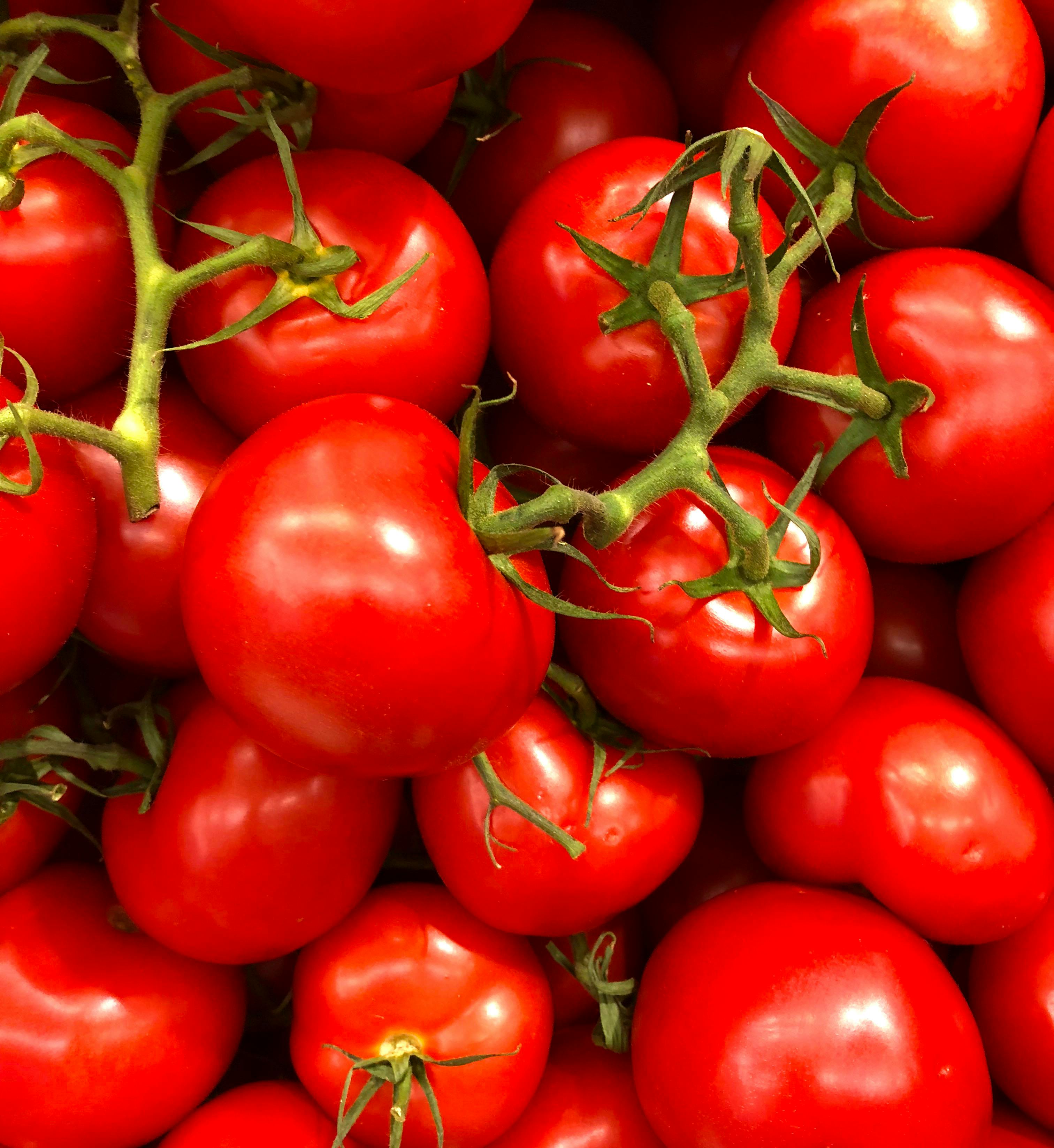
Hydroponic tomatoes represent one of the most popular and rewarding crops for soilless cultivation, offering superior flavor, extended growing seasons, and significantly higher yields compared to traditional soil-based methods.
Why Grow Hydroponic Tomatoes?
Tomatoes thrive in hydroponic systems, producing fruit with exceptional taste and texture. Commercial growers worldwide have adopted hydroponic methods for tomato production due to the precise control over growing conditions and the ability to harvest year-round regardless of outdoor climate.
Best Hydroponic Systems for Tomatoes
Dutch bucket systems are the gold standard for hydroponic tomatoes, providing excellent root support for these heavy-fruiting plants. Deep water culture works well for smaller determinate varieties, while NFT systems can accommodate cherry tomatoes with proper support structures.
Nutrient Requirements
Tomatoes are heavy feeders requiring balanced nutrition throughout their growth cycle. During vegetative growth, maintain higher nitrogen levels, then transition to phosphorus and potassium-rich solutions during flowering and fruiting stages. Calcium is critical for preventing blossom end rot.
Light and Temperature
Provide 14-18 hours of light daily with high-intensity lighting for optimal fruit production. Maintain temperatures between 65-85°F (18-29°C) during the day and slightly cooler at night to promote flowering and fruit set.
Pollination and Support
Indoor hydroponic tomatoes require manual pollination or mechanical vibration to set fruit. Use trellis systems or tomato cages to support the vines as they grow and produce heavy fruit clusters.
Harvesting
Harvest tomatoes when they reach full color and slight softness. Hydroponic tomatoes typically have superior shelf life and flavor compared to commercial varieties due to vine-ripening and optimal nutrition.
Keep exploring related guides
Follow the topic cluster below to discover more growing methods, troubleshooting advice, and crop-specific tutorials.