NFT System
Hydroponic Mizuna: Feathery Japanese Mustard Greens
Learn to grow mizuna in hydroponic systems. Complete guide covering NFT setup, nutrients, temperature control, and cut-and-come-again harvesting techniques.
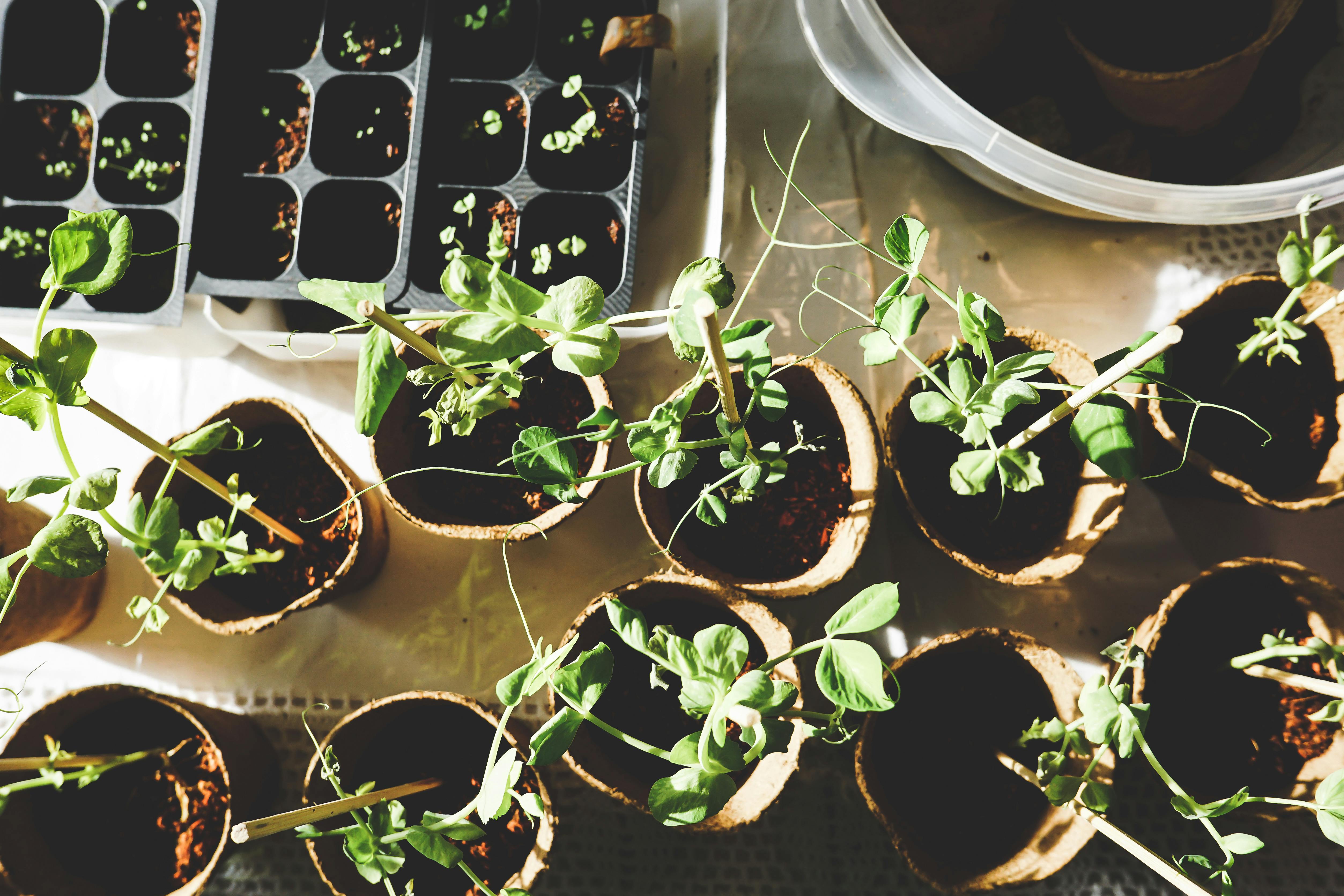
Mizuna, the delicate Japanese mustard green with distinctive feathery leaves, thrives exceptionally well in hydroponic systems. This fast-growing Asian vegetable delivers mild, peppery flavor perfect for salads, stir-fries, and garnishes while producing multiple harvests from a single planting.
Why Grow Mizuna Hydroponically?
Hydroponic mizuna production offers significant advantages over traditional soil cultivation. The controlled environment eliminates soil-borne diseases common to brassicas while accelerating growth by 30-40%. Mizuna's shallow root system makes it ideal for NFT and raft systems, and continuous harvesting extends productive life to 8-12 weeks per planting.
Optimal Growing Conditions
Mizuna prefers cool to moderate temperatures between 50-70°F (10-21°C), making it perfect for year-round indoor cultivation. Higher temperatures cause premature bolting and bitter flavor development. Provide 12-14 hours of moderate light daily—excessive intensity isn't necessary for this shade-tolerant crop.
Nutrient Requirements for Mizuna
Maintain EC levels between 1.2-1.8 mS/cm with a balanced leafy green nutrient formula. Mizuna responds well to slightly higher nitrogen during vegetative growth. Keep pH between 5.8-6.5 for optimal nutrient uptake. The mild flavor develops best with consistent, moderate feeding rather than heavy fertilization.
Starting Mizuna from Seed
Direct seed into rockwool cubes or germination plugs, covering lightly as mizuna requires some darkness for germination. Seeds sprout within 4-7 days at 65-75°F. Transplant seedlings when they develop 3-4 true leaves, typically 10-14 days after germination. Space plants 4-6 inches apart in NFT channels or rafts.
NFT System Setup for Mizuna
Mizuna's fibrous root system works perfectly in NFT channels. Use 3-4 inch channels with gentle slopes of 1:30 to 1:40. Flow rates of 0.5-1 liter per minute provide adequate nutrient delivery without disturbing delicate roots. The shallow nutrient film keeps roots moist while allowing excellent oxygenation.
Harvesting Mizuna Leaves
Begin harvesting outer leaves when plants reach 4-6 inches tall, typically 25-35 days from seeding. Cut individual leaves at the base or harvest entire rosettes for baby mizuna. Leave the growing point intact for continuous production—a single plant can yield 3-5 harvests over its productive life.
Managing Bolting in Mizuna
Temperature control is critical for preventing premature flowering. Keep growing areas below 75°F and maintain consistent day/night temperatures. If bolting begins, harvest immediately—flower buds are edible but leaves become increasingly bitter. Succession planting every 2-3 weeks ensures continuous harvests.
Pest and Disease Prevention
Hydroponic mizuna faces fewer pest pressures than soil-grown crops. Watch for aphids and flea beetles in greenhouse settings. Maintain good air circulation to prevent fungal issues. The controlled environment and clean growing media significantly reduce disease incidence compared to field production.
Keep exploring related guides
Follow the topic cluster below to discover more growing methods, troubleshooting advice, and crop-specific tutorials.