Hydroponics
Hydroponic Kale: Growing Superfood Greens in Compact Systems
Complete guide to growing hydroponic kale in ebb and flow systems. Cultivate nutrient-dense superfood greens with continuous harvests for months.
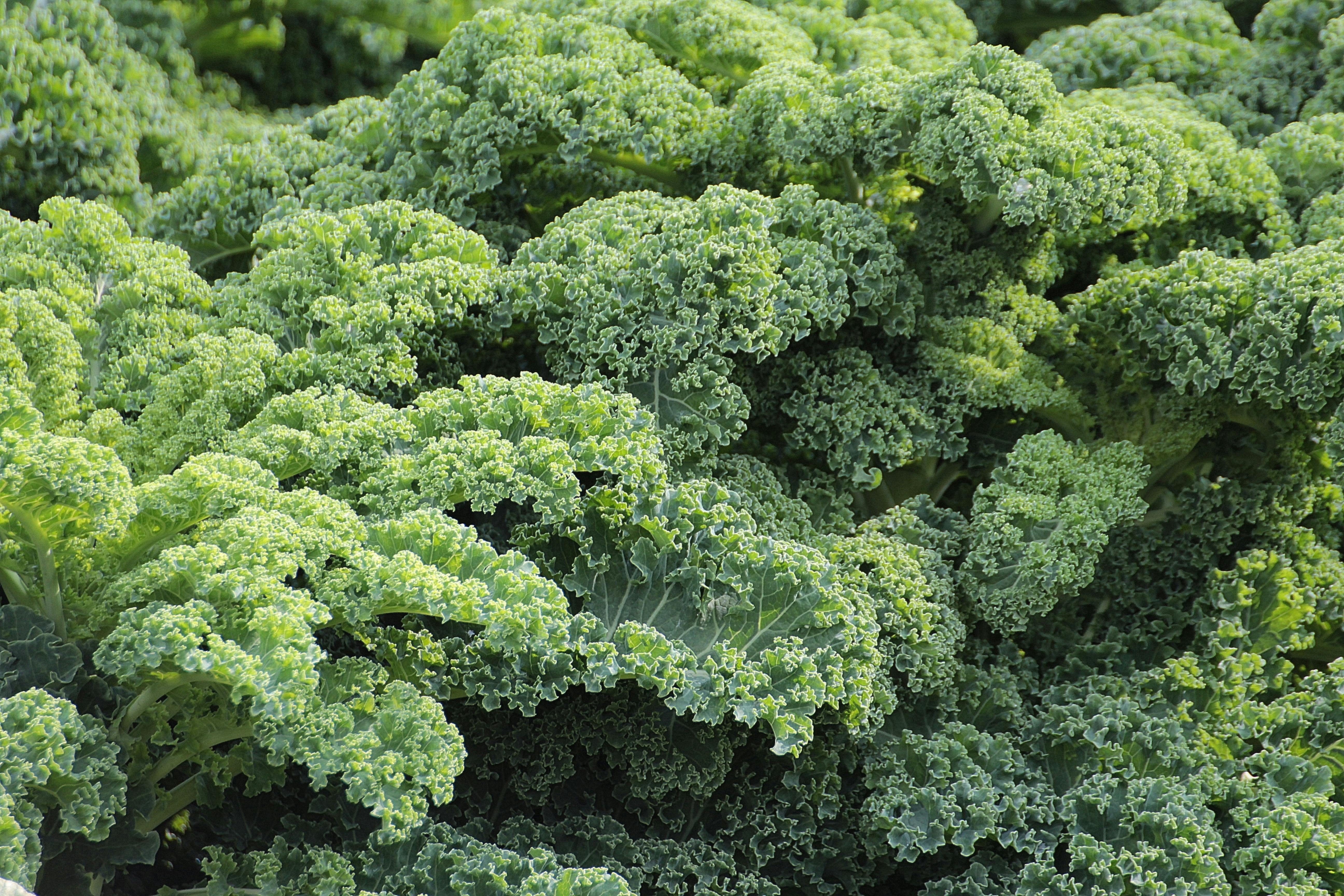
Kale: The Nutrient Powerhouse for Hydroponic Gardens
Kale is a superfood that thrives in hydroponic systems, producing nutrient-dense leaves packed with vitamins K, A, and C, plus antioxidants and minerals. While it takes longer to mature than lettuce or arugula, a single hydroponic kale plant can provide months of continuous harvests, making it an excellent investment for your indoor garden.
Best Kale Varieties for Hydroponics
Dwarf Blue Curled is compact and perfect for limited spaces with classic curly leaves. Red Russian offers beautiful purple-veined leaves with a sweeter, milder flavor. Lacinato (Dinosaur) kale produces elegant, textured leaves ideal for cooking. Baby kale varieties mature faster at 25-30 days for tender salad greens.
Ebb and Flow Systems for Kale
Ebb and flow (flood and drain) systems work excellently for kale, providing the robust root oxygenation this larger plant needs. The system periodically floods the grow tray with nutrient solution, then drains back to the reservoir. This cycle typically runs 4-6 times daily, ensuring roots receive both nutrients and oxygen.
Nutrient Requirements for Optimal Growth
Kale is a moderate to heavy feeder requiring balanced nutrition throughout its growth cycle. Start seedlings at EC 1.0-1.4, increasing to 1.6-2.2 for mature plants. Kale needs consistent calcium to prevent tip burn—ensure your nutrient solution includes calcium and magnesium supplements. Maintain pH between 5.5-6.5.
Harvesting for Maximum Productivity
Begin harvesting outer leaves when plants are 8-10 inches tall, always leaving the center growing point intact. This cut-and-come-again approach allows continuous harvests for 4-6 months per plant. Kale's flavor actually improves after mild cold exposure, so don't worry if your growing area is on the cooler side.
Keep exploring related guides
Follow the topic cluster below to discover more growing methods, troubleshooting advice, and crop-specific tutorials.