NFT
Growing Hydroponic Chives: Continuous Harvest Guide
Learn to grow hydroponic chives with continuous harvest techniques. Complete guide covering NFT systems, nutrient management, and year-round production.
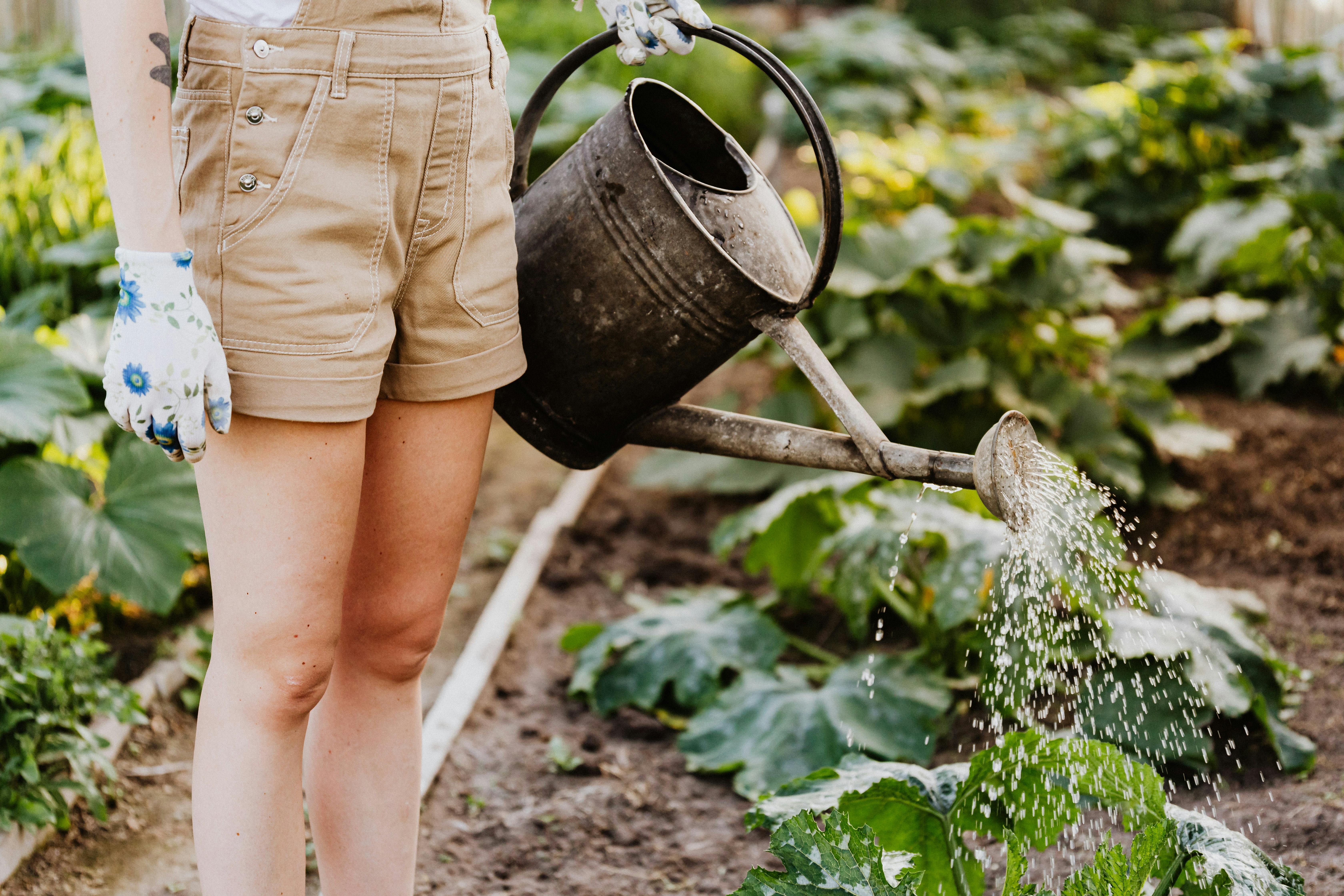
Hydroponic chives represent one of the most rewarding alliums to grow in soilless systems, offering rapid growth, continuous harvests, and minimal maintenance requirements that make them perfect for both beginners and commercial operations.
Why Grow Chives Hydroponically?
Chives (Allium schoenoprasum) thrive exceptionally well in hydroponic systems, often outperforming soil-grown counterparts in both yield and flavor intensity. The controlled environment allows for precise nutrient delivery directly to roots, resulting in faster growth cycles and more concentrated essential oils that give chives their distinctive mild onion flavor.
Unlike many alliums that require extensive root space for bulb development, chives focus their energy on producing tender green blades, making them ideally suited for compact hydroponic setups. A single well-managed plant can provide continuous harvests for years, regenerating quickly after each cutting.
Optimal Hydroponic Systems for Chives
NFT Systems for Commercial Production
Nutrient Film Technique systems excel for chive production due to their efficient water usage and excellent oxygenation. The shallow nutrient stream keeps roots perfectly hydrated while providing ample oxygen, promoting the rapid blade development chives are known for. Channel depths of 2-3 inches work optimally, allowing mature root systems to develop without waterlogging.
Kratky Method for Home Growers
The passive Kratky method offers an excellent low-maintenance option for home chive production. Simply suspend net cups over nutrient solution in mason jars or dedicated containers, allowing the air gap to provide necessary root oxygenation. Chives tolerate the gradually decreasing water levels characteristic of Kratky systems remarkably well.
Nutrient Requirements and EC Management
Chives perform best with moderate nutrient concentrations, typically thriving at EC levels between 1.2-1.8 mS/cm. Unlike bulbing alliums that require lower nitrogen ratios, foliage-focused chives benefit from balanced N-P-K formulations with slightly elevated nitrogen during active growth phases.
Maintain pH between 6.0-6.5 for optimal nutrient uptake, checking levels weekly and adjusting as needed. Calcium and magnesium supplementation ensures strong cell wall development, resulting in crisp, upright blades that store well after harvest.
Temperature and Light Requirements
Chives prefer cooler growing conditions between 60-70°F (15-21°C), though they tolerate temperatures up to 80°F without significant quality loss. Provide 12-16 hours of light daily using full-spectrum LEDs positioned 6-12 inches above plant tops. Light intensity between 200-400 PPFD supports rapid growth without causing heat stress.
Continuous Harvest Techniques
The key to perpetual chive production lies in proper harvest timing and technique. Cut blades when they reach 6-8 inches tall, leaving 2 inches of growth above the crown. This approach allows photosynthetic capacity for rapid regrowth while harvesting the most flavorful portions.
Rotate harvests around the plant rather than cutting all blades simultaneously, ensuring continuous production without stressing the root system. Under optimal conditions, expect new harvestable growth within 7-10 days of cutting.
Pest and Disease Prevention
Hydroponic chives face fewer pest pressures than soil-grown counterparts, but remain vigilant for aphids, thrips, and fungal issues. Proper air circulation prevents most fungal problems, while regular inspection catches pest infestations before they become problematic. The natural sulfur compounds in chives provide some inherent pest resistance.
Managing Flowering for Continuous Production
Chive flowers are edible and attractive but signal the plant's shift toward reproduction rather than foliage production. For continuous blade harvests, remove flower stalks as they appear, redirecting energy back to leaf development. Alternatively, allow some plants to flower for culinary use while maintaining others in vegetative production.
Keep exploring related guides
Follow the topic cluster below to discover more growing methods, troubleshooting advice, and crop-specific tutorials.