Deep Water Culture
Growing Hydroponic Cabbage: Complete Indoor Growing Guide
Learn to grow hydroponic cabbage with our complete guide. Master nutrient solutions, temperature control, and harvesting techniques for crisp, fresh cabbage.
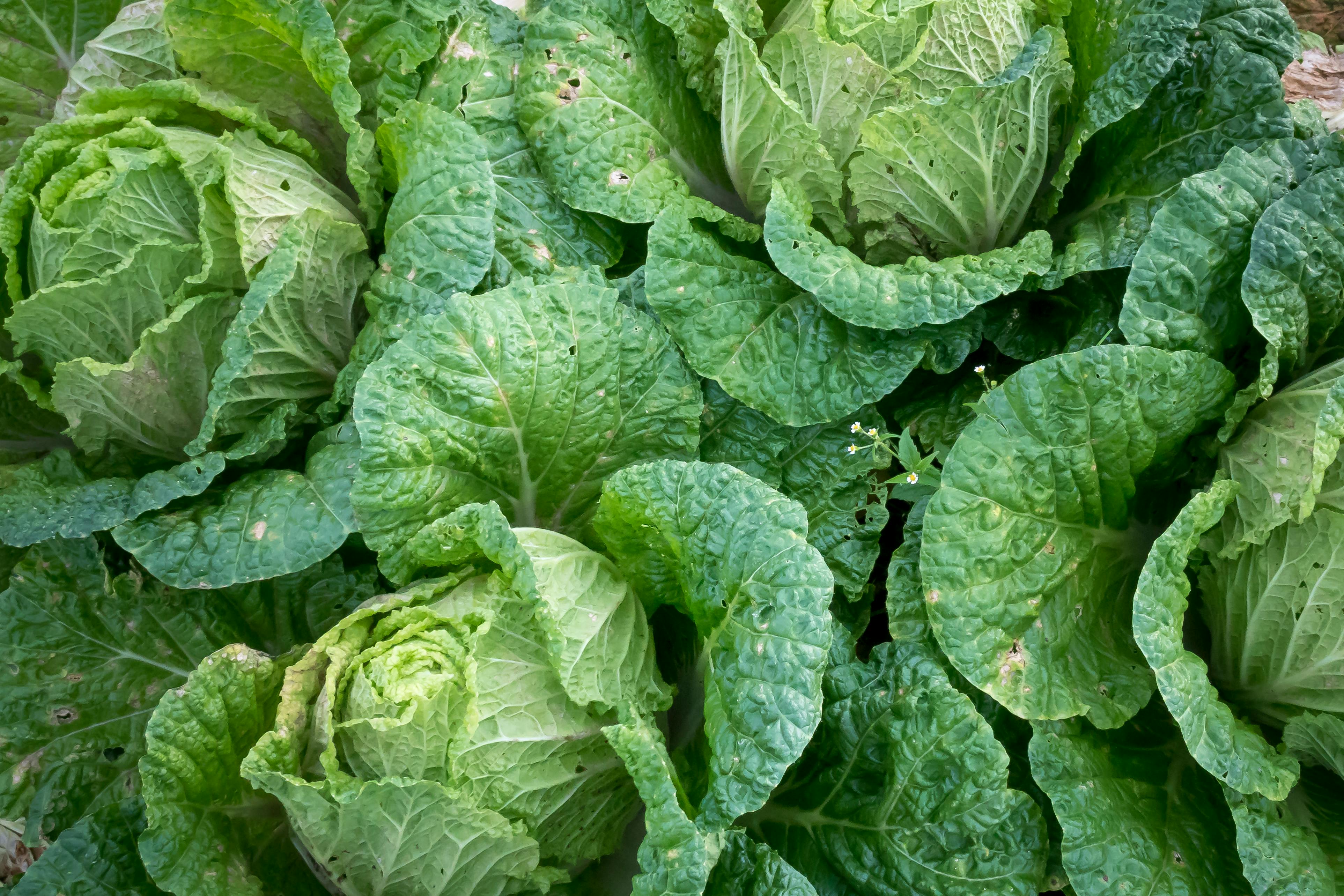
Hydroponic cabbage offers year-round access to this versatile brassica vegetable, producing crisp, dense heads without soil-borne diseases or pest pressure common in traditional gardens.
Why Grow Cabbage Hydroponically?
Hydroponic cabbage systems provide controlled environments that optimize head formation and density. Without soil limitations, roots develop extensive networks that support rapid nutrient uptake, producing sweeter, more tender leaves than field-grown alternatives.
Best Hydroponic Systems for Cabbage
Deep Water Culture (DWC) excels for cabbage production, providing constant nutrient access and excellent oxygenation. The floating raft design supports heavy heads without stem stress. Nutrient Film Technique (NFT) works well for smaller varieties, though larger heading types may require additional support structures.
Optimal Growing Conditions
Cabbage thrives in cooler conditions, preferring temperatures between 60-70°F (15-21°C). Higher temperatures can cause bolting or loose head formation. Maintain humidity around 60-70% and provide 12-16 hours of light daily using full-spectrum LEDs at 300-400 PPFD.
Nutrient Requirements
During vegetative growth, maintain EC levels of 1.5-2.0 mS/cm with balanced nitrogen. As heads begin forming, increase EC to 2.0-2.5 mS/cm and boost calcium and potassium. Keep pH between 6.0-6.5 for optimal nutrient availability, particularly calcium to prevent tip burn.
Variety Selection
Compact varieties like 'Gonzales' and 'Caraflex' adapt well to hydroponic systems, producing 2-3 pound heads in limited space. Traditional varieties like 'Copenhagen Market' and 'Early Jersey Wakefield' also perform excellently with proper support.
Head Formation and Support
As cabbage heads develop, they can become top-heavy. Use support collars or stakes to prevent plants from tipping. Monitor outer leaves for yellowing, which indicates nutrient deficiencies or the natural progression toward harvest maturity.
Pest and Disease Management
Indoor hydroponic cabbage avoids many field pests, but watch for aphids and caterpillars on transplants. Maintain proper air circulation to prevent fungal issues like downy mildew and black rot. Inspect plants regularly and remove affected leaves promptly.
Harvesting Hydroponic Cabbage
Harvest when heads feel firm and dense, typically 60-90 days from transplant. Cut at the base, leaving outer wrapper leaves intact for protection during storage. Properly harvested hydroponic cabbage stores for 2-3 months in cool conditions.
Keep exploring related guides
Follow the topic cluster below to discover more growing methods, troubleshooting advice, and crop-specific tutorials.