Deep Water Culture
Growing Hydroponic Broccoli: Year-Round Head Production
Master hydroponic broccoli growing with our comprehensive guide. Learn nutrient management, temperature control, and harvesting for tight, flavorful heads.
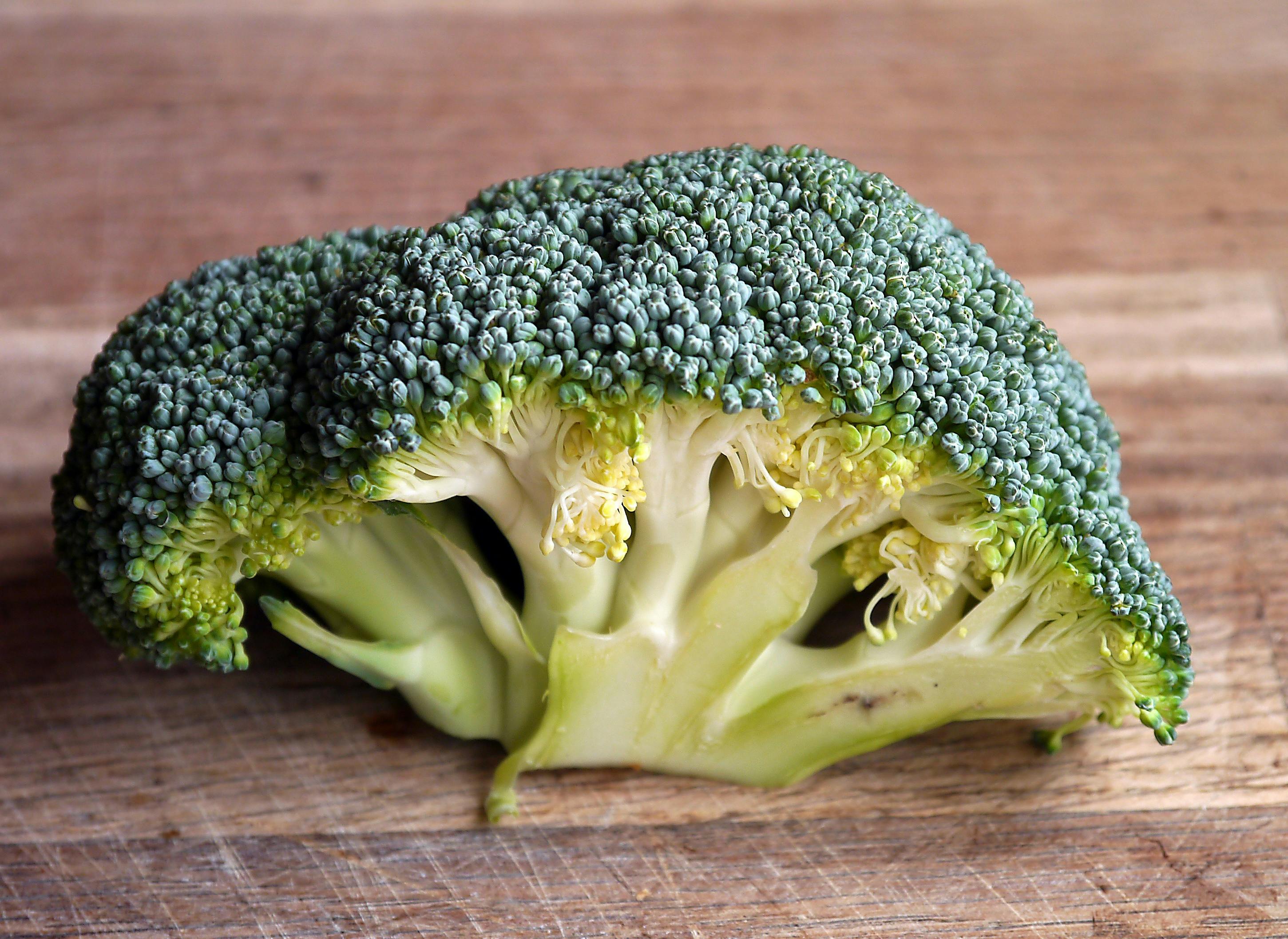
Hydroponic broccoli production delivers tight, flavorful heads throughout the year, bypassing the seasonal limitations and pest pressures that challenge traditional growers.
Benefits of Hydroponic Broccoli
Growing broccoli hydroponically provides precise control over the cool conditions this crop requires. Without soil constraints, plants develop robust root systems that support rapid growth and superior head development, often maturing weeks ahead of field-grown counterparts.
Ideal Growing Systems
Deep Water Culture (DWC) provides excellent results for broccoli, offering consistent nutrient delivery and root oxygenation. Dutch bucket systems work well for larger varieties, providing the root volume needed for substantial head production. Both systems support the heavy heads as plants mature.
Temperature Requirements
Broccoli demands cool growing conditions, with optimal temperatures between 60-68°F (15-20°C). Night temperatures can drop to 50°F (10°C) without harm. Temperatures above 75°F (24°C) cause premature bolting and loose, yellowing heads—the most common hydroponic broccoli failure.
Lighting and Photoperiod
Provide 14-16 hours of light daily using full-spectrum LEDs at 300-400 PPFD. Adequate light intensity promotes compact head formation and deep green coloration. Insufficient light results in leggy plants with small, loose heads.
Nutrient Management
Start seedlings at EC 1.2-1.5 mS/cm, increasing to 2.0-2.5 mS/cm during head formation. Broccoli has high calcium and boron requirements—deficiencies cause hollow stems and brown heads. Maintain pH between 6.0-6.5, with sulfur supplementation enhancing flavor compounds.
Variety Selection
Heat-tolerant varieties like 'Green Magic' and 'Belstar' handle temperature fluctuations better. 'Destiny' and 'Marathon' produce excellent heads in controlled environments. Side-shoot producing varieties like 'Calabrese' extend harvest periods significantly.
Head Development Stages
Monitor plants carefully as central heads form. Optimal harvest occurs when heads are tight with compact florets—before any yellow flowers appear. The head should measure 4-7 inches across depending on variety. Waiting too long results in bitter, open heads.
Harvesting and Side Shoots
Cut the central head 5-6 inches below the head, leaving lower leaves intact. Most varieties will produce side shoots for 4-6 weeks after the main harvest, significantly increasing total yield. Side shoots are smaller but equally flavorful.
Keep exploring related guides
Follow the topic cluster below to discover more growing methods, troubleshooting advice, and crop-specific tutorials.