Deep Water Culture
Complete Guide to Hydroponic Brassicas: Cabbage, Broccoli & More
Complete guide to growing brassicas hydroponically. Master cabbage, broccoli, cauliflower, kale, and Brussels sprouts with optimal nutrients and conditions.
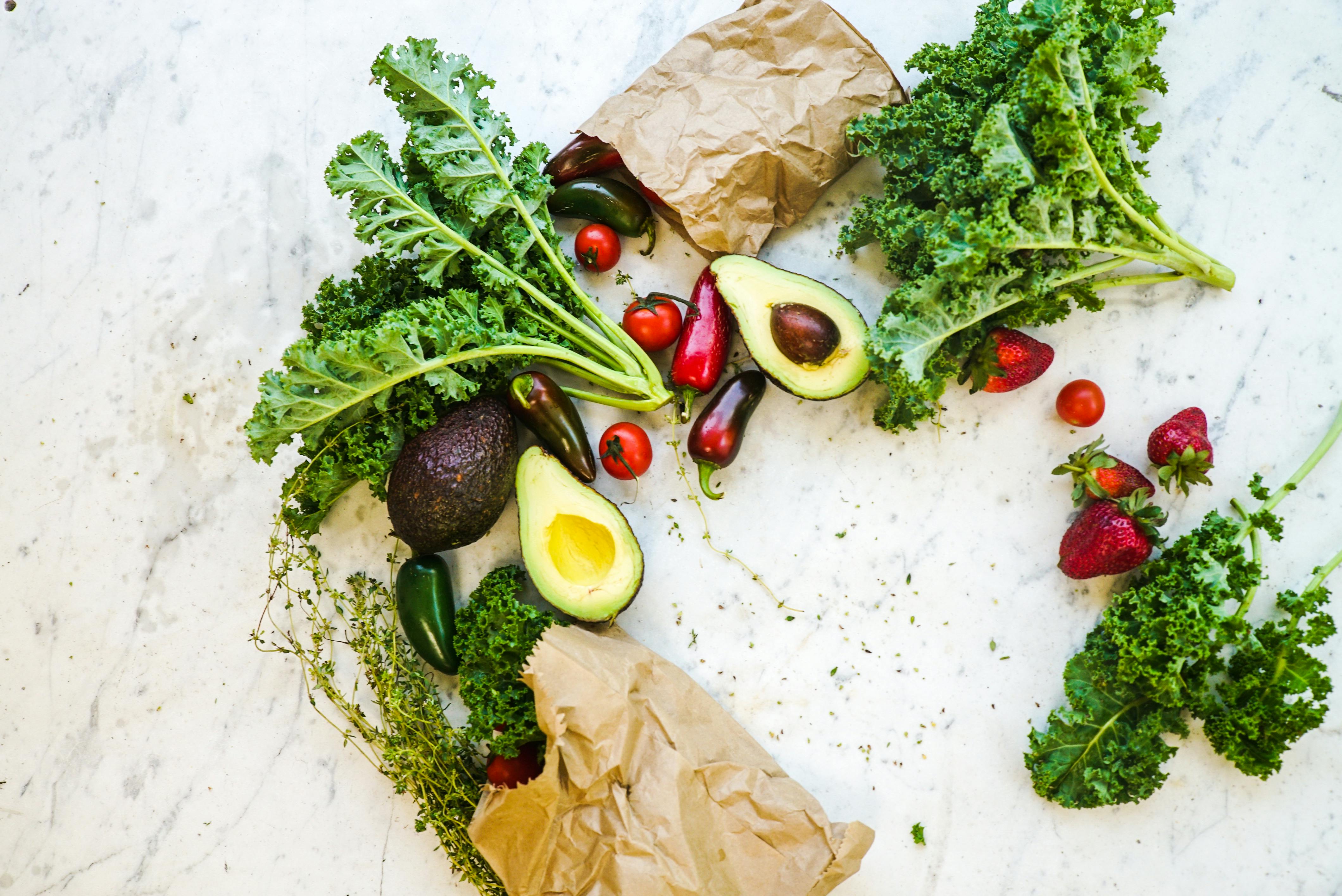
The brassica family encompasses some of the most nutritious vegetables available, and hydroponic production offers year-round access to cabbage, broccoli, cauliflower, kale, Brussels sprouts, and their relatives.
Understanding Brassica Requirements
All brassicas share common ancestry and similar growing requirements—cool temperatures, high calcium needs, and susceptibility to similar pests. This makes them excellent candidates for dedicated hydroponic brassica production areas where conditions can be optimized for the entire family.
Temperature: The Critical Factor
Cool temperatures define successful brassica production. Most family members thrive at 60-68°F (15-20°C), with night temperatures ideally 10°F cooler. Heat stress causes bolting in leafy types, loose heads in heading types, and bitter flavors throughout the family.
System Selection by Crop Type
Leafy brassicas (kale, collards) excel in Nutrient Film Technique (NFT) and smaller DWC systems. Heading types (cabbage, broccoli, cauliflower) need more root volume—DWC or Dutch buckets work well. Large plants (Brussels sprouts, large cabbages) require Dutch bucket systems for adequate support.
Universal Nutrient Considerations
All brassicas require higher calcium levels than most hydroponic crops to prevent tip burn and internal disorders. Boron is essential for stem development and head formation. Sulfur compounds contribute to the characteristic brassica flavor. Target EC 1.5-2.5 mS/cm depending on growth stage.
Leafy Brassica Production
Kale, collards, and Asian greens mature quickly (30-50 days) and tolerate continuous harvest. These forgiving crops make excellent hydroponic beginner choices. Multiple plantings ensure continuous supply, and cut-and-come-again harvesting extends production cycles.
Heading Brassica Challenges
Cabbage, broccoli, and cauliflower require more attention to detail. Temperature consistency is paramount—fluctuations cause buttoning, bolting, or poor head formation. Plan for longer cycles (60-100+ days) and provide adequate spacing as plants reach substantial sizes.
Pest and Disease Management
Hydroponic brassicas avoid many soil-borne issues but remain susceptible to aphids, caterpillars, and fungal diseases. Maintain proper air circulation, inspect transplants carefully, and act quickly at first signs of problems. Biological controls work well in enclosed environments.
Seasonal Planning
While hydroponics enables year-round production, consider energy costs for cooling during summer months. Some growers shift to heat-tolerant crops during summer peaks, returning to brassicas when ambient temperatures naturally support cooler growing conditions.
Companion Planting Strategies
Group brassicas together by temperature requirements but consider staggered plantings for continuous harvest. Herbs like dill and cilantro can be interplanted if temperature requirements align. Avoid grouping all brassicas in identical harvest windows.
Keep exploring related guides
Follow the topic cluster below to discover more growing methods, troubleshooting advice, and crop-specific tutorials.