Hydroponics
Growing Hydroponic Zucchini: Prolific Summer Squash Production
Learn to grow prolific hydroponic zucchini with proper nutrients, hand pollination, and harvest techniques for continuous summer squash production in any space.
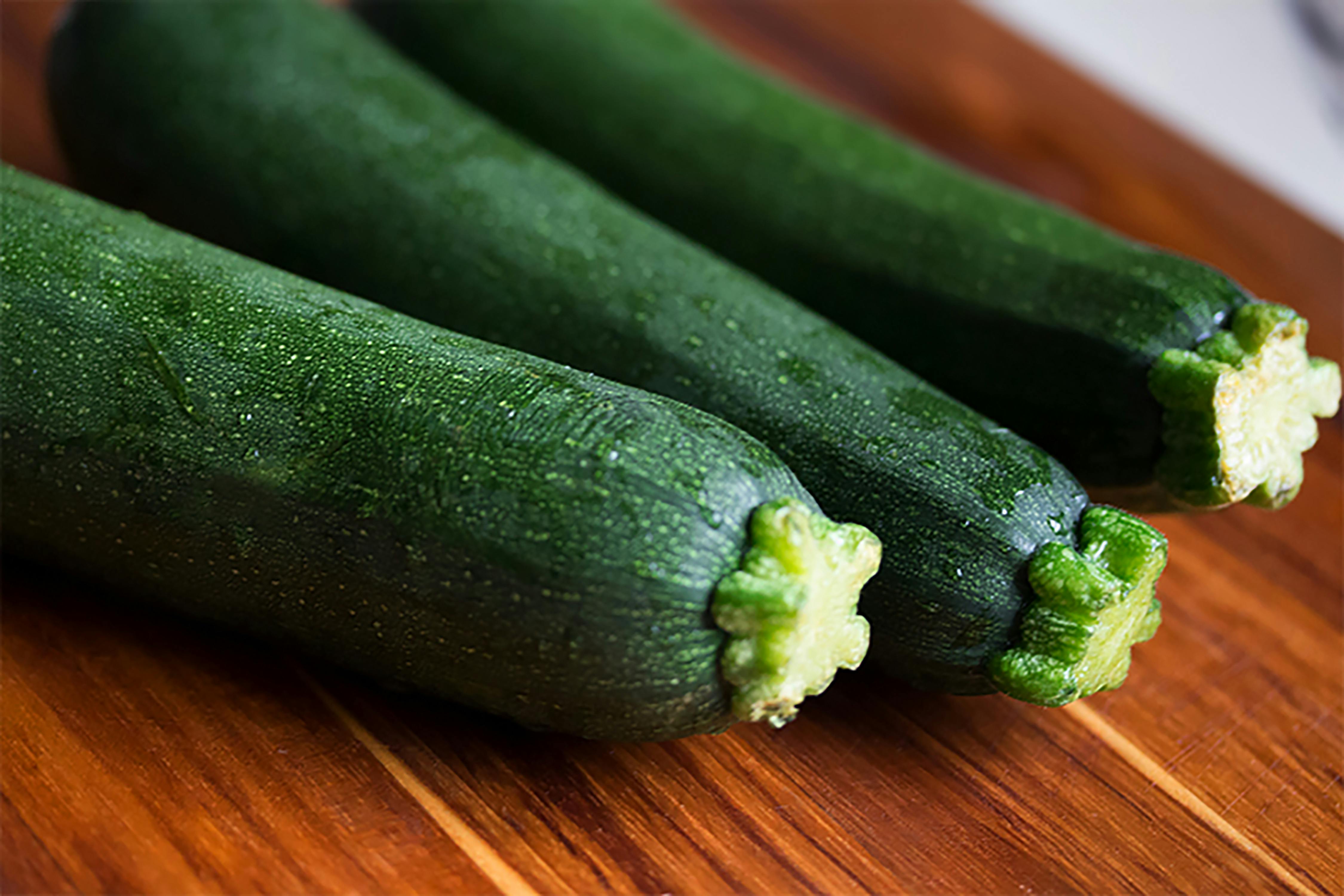
Hydroponic zucchini production delivers incredible yields in compact spaces. These fast-growing summer squash thrive in soilless systems, producing abundant harvests with proper nutrient management and pollination support.
Why Zucchini Excels in Hydroponic Systems
Zucchini plants are natural candidates for hydroponics due to their vigorous growth and heavy feeding requirements. Hydroponic systems deliver nutrients directly to roots, supporting the rapid development these plants demand. Disease-free growing media eliminates soil-borne pathogens like powdery mildew root infections. Consistent moisture availability prevents the irregular watering stress that causes bitter or misshapen fruits in soil cultivation.
Compact Varieties for Limited Spaces
Select bush-type zucchini varieties for space-efficient hydroponic production. Eight Ball produces round fruits on compact plants ideal for smaller systems. Patio Star and Buckingham offer excellent production in 3-foot diameter spaces. For larger setups, traditional varieties like Black Beauty and Costata Romanesco provide distinctive ribbed fruits prized by chefs. Consider golden varieties for visual appeal and mild flavor.
System Design for Heavy Feeders
Dutch buckets with 5-gallon capacity support zucchini root systems effectively. Space plants 24-30 inches apart to accommodate spreading foliage. Use expanded clay aggregate or perlite for excellent drainage and root aeration. Ensure reservoir capacity matches the heavy water consumption—a single mature plant may use 1-2 gallons daily during peak production. Drip irrigation delivers consistent moisture without splashing leaves.
Aggressive Nutrient Requirements
Zucchini demands robust nutrition throughout its fast growth cycle. Begin seedlings with EC of 1.5-2.0 mS/cm, increasing to 2.5-3.0 mS/cm as plants mature. High potassium formulas support fruit production—transition to bloom nutrients as first flowers appear. Maintain calcium levels above 200 ppm to prevent blossom end rot. Monitor pH between 5.5-6.5 and adjust as needed for optimal uptake.
Light Requirements for Production
Zucchini requires 12-14 hours of strong light for maximum production. Position plants to receive 600-1000 PPFD from LED grow lights or direct sunlight. Insufficient light causes elongated growth with reduced flowering. Large leaves may shade lower flowers—remove oldest leaves to improve light penetration and air circulation. Rotate containers if light comes from a single direction.
Critical Pollination for Fruit Set
Zucchini produces separate male and female flowers requiring pollen transfer. Male flowers appear first on long stems, while female flowers show a small zucchini shape at their base. Hand-pollinate by collecting pollen from freshly opened male flowers and brushing onto female flower centers. Pollinate in morning hours when pollen is most viable. Poor pollination results in stunted, club-shaped fruits.
Harvest Timing for Best Quality
Harvest zucchini at 6-8 inches long for tender skin and seeds. Check plants daily during peak production—fruits can double in size within 24 hours. Overripe zucchini become seedy and tough while reducing future flower production. Use clean, sharp tools to cut stems without damaging plants. Regular harvesting stimulates continuous flower and fruit production over several months.
Managing Powdery Mildew
Powdery mildew is the primary zucchini concern even in hydroponic systems. Maintain good airflow around foliage with oscillating fans. Avoid wetting leaves during irrigation. Apply potassium bicarbonate or neem oil at first signs of white powdery patches. Remove heavily infected leaves promptly. Select mildew-resistant varieties for longer production seasons in enclosed growing spaces.
Keep exploring related guides
Follow the topic cluster below to discover more growing methods, troubleshooting advice, and crop-specific tutorials.