Hydroponics
Growing Hydroponic Violas: Delicate Edible Jewels
Learn to grow hydroponic violas for culinary garnishes using NFT channels with proper cool temperatures and nutrients for continuous jewel-toned blooms.
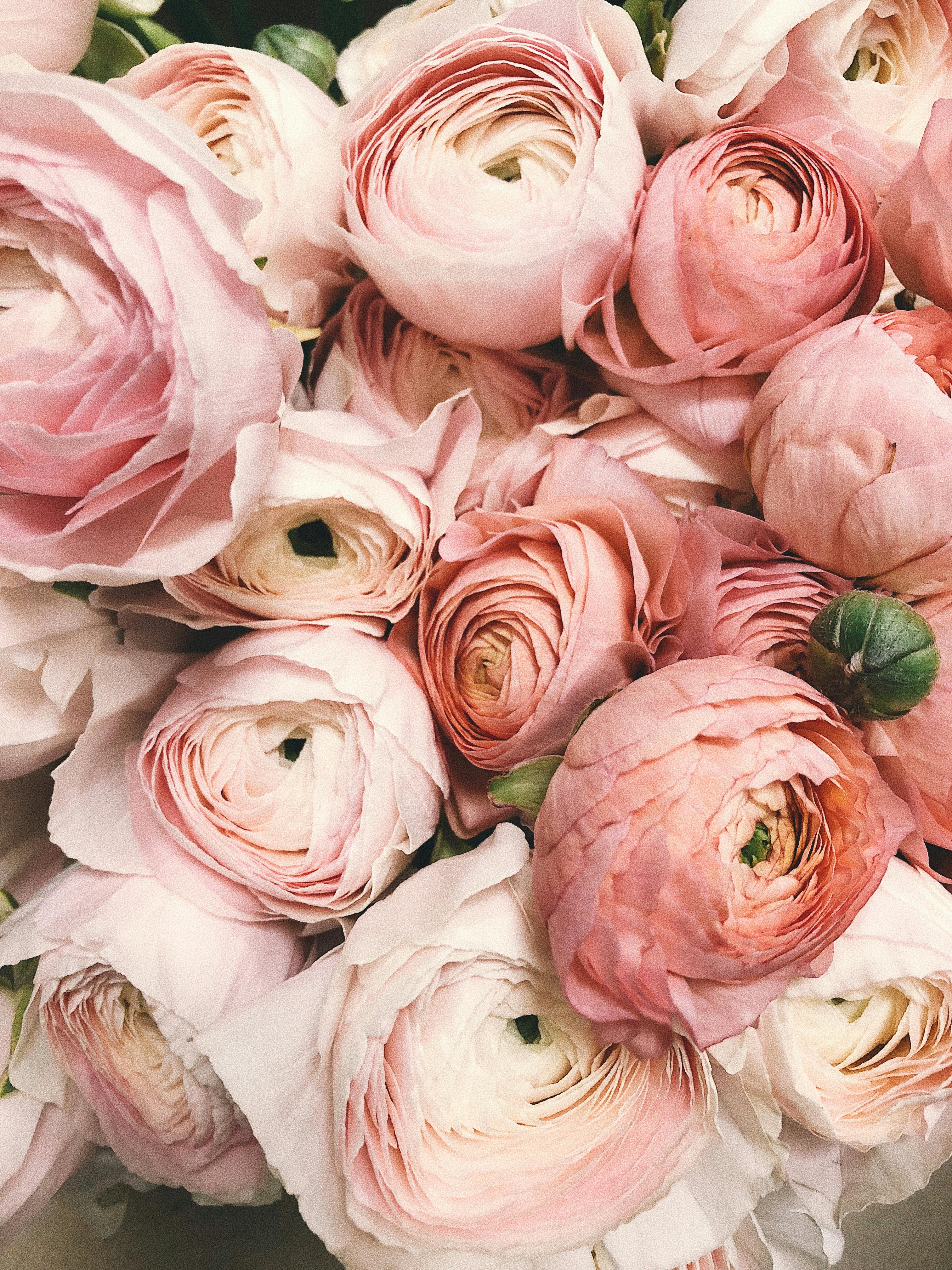
Violas and Johnny-jump-ups produce delicate, jewel-toned flowers that elevate culinary presentations from ordinary to extraordinary. These cool-season favorites adapt perfectly to hydroponic systems, providing year-round harvests of these prized edible garnishes.
Violas: The Ultimate Edible Garnish
Violas have graced fine dining plates for centuries, prized for their delicate appearance and mild, slightly sweet flavor. Hydroponic production ensures clean, pesticide-free blooms essential for culinary applications. Controlled environments extend production beyond the brief spring and fall seasons violas prefer outdoors, delivering continuous harvests when demand is highest.
Variety Selection for Culinary Use
Choose viola varieties with clear, vibrant colors for maximum visual impact. Sorbet series offers extensive color range on compact plants suited to close spacing. Helen Mount provides classic Johnny-jump-up appearance with purple, yellow, and white faces. Gem series produces extra-large blooms for dramatic garnishes. Consider single-color varieties for elegant, coordinated presentations.
NFT System Advantages
NFT channels excel for viola production, allowing dense plantings of these compact flowers. Space plants 6-8 inches apart for efficient use of channel length. The shallow root systems of violas suit NFT flow dynamics perfectly. Multiple channels enable succession planting for uninterrupted harvest. Easy access facilitates the frequent picking these flowers require.
Cool Temperature Requirements
Violas demand cool conditions for quality flower production. Optimal temperatures range 50-65°F (10-18°C) with nights ideally below 55°F (13°C). Heat above 70°F (21°C) causes plants to become leggy with reduced flowering. This cool requirement positions violas perfectly for winter greenhouse production or climate-controlled growing spaces maintained cooler than typical warm-season crops prefer.
Nutrient Management for Compact Growth
Maintain moderate fertility with EC of 1.2-1.8 mS/cm. Excessive nitrogen produces lanky growth with fewer flowers—keep nutrition balanced or slightly phosphorus-heavy. Violas benefit from micronutrient supplementation, particularly iron for deep flower colors. pH between 5.8-6.5 ensures optimal uptake. Cool nutrient solution temperatures match the plants' overall cool preference.
Light for Extended Flowering
Violas require long days for continuous flowering—provide 14-16 hours of moderate light at 400-600 PPFD. Insufficient light produces weak stems and pale flowers. Supplemental lighting during short winter days extends production seasons. Unlike many flowers, violas tolerate light intensity variations, adapting to available conditions while maintaining reasonable flower quality.
Harvest and Handling
Harvest violas when flowers are fully open with fresh, turgid petals. Pick in morning after plants dry from overnight humidity. Gently float flowers in cool water to hydrate and clean. Handle minimally—viola petals bruise easily. For immediate use, pick and serve within hours. For short-term storage, layer between damp paper towels and refrigerate up to 2 days.
Culinary Presentations
Violas transform simple dishes into elegant presentations. Float on soups, cocktails, or punch bowls. Press onto cakes and pastries before icing sets. Freeze in ice cubes for stunning drink garnishes. Scatter across salads just before serving. Candy individual blooms by brushing with egg white and dusting with superfine sugar—these keep for weeks and add sparkle to desserts. The mild, slightly sweet flavor complements without overwhelming.
Keep exploring related guides
Follow the topic cluster below to discover more growing methods, troubleshooting advice, and crop-specific tutorials.