Hydroponics
Growing Hydroponic Sunflower Seeds: From Flower to Snack
Learn to grow hydroponic sunflowers for seed production using compact varieties in bucket systems with proper nutrients and pollination for abundant harvests.
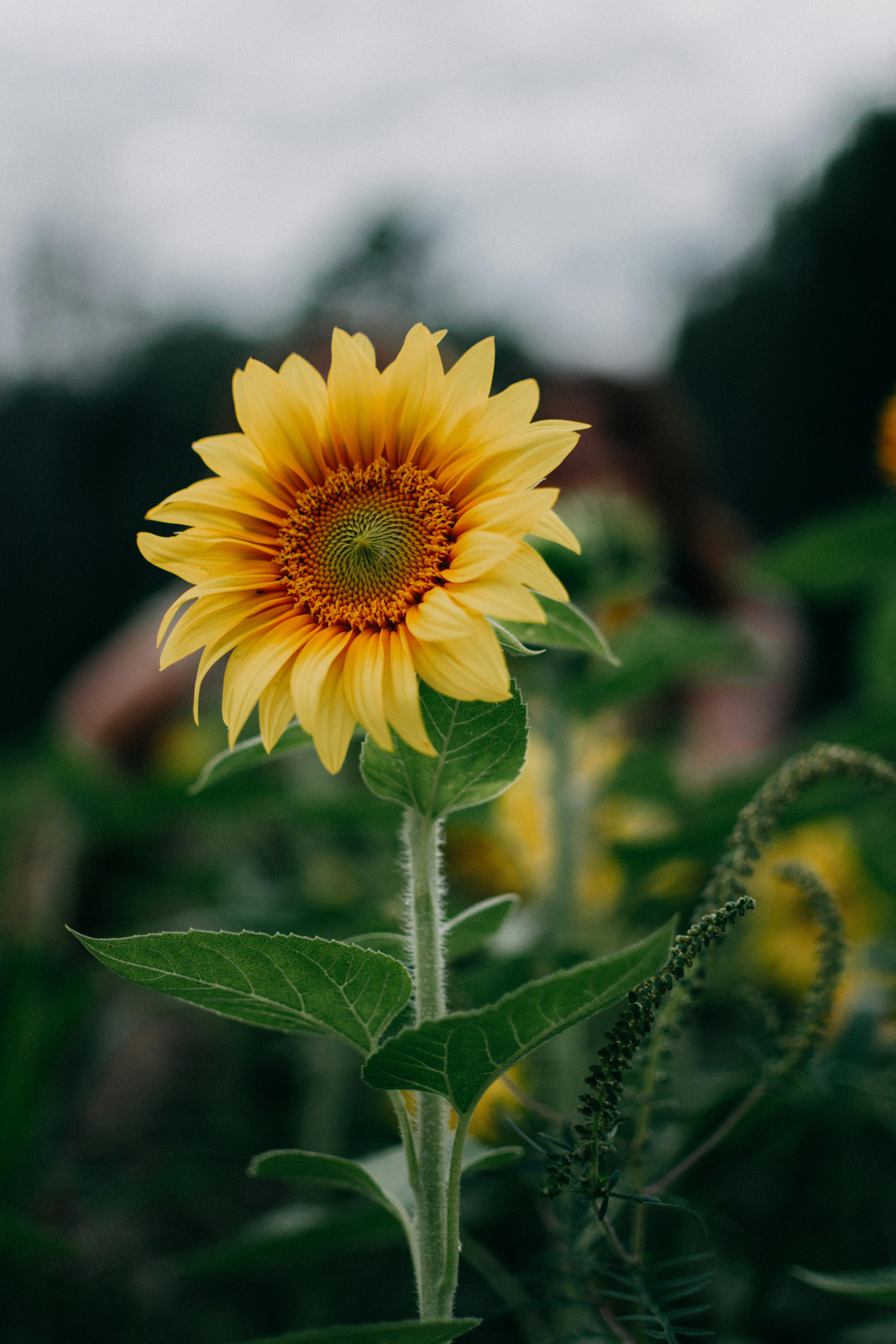
Sunflowers bring cheerful beauty to hydroponic gardens while producing nutritious seeds for snacking or cooking. Dwarf varieties make indoor cultivation practical, delivering the full sunflower experience in compact growing spaces with impressive seed yields.
Sunflowers in Hydroponic Systems
Hydroponic sunflower cultivation eliminates many challenges of traditional outdoor growing. Wind damage, soil-borne diseases, and bird predation disappear in controlled environments. Consistent nutrient delivery produces robust plants with well-filled seed heads. While giant varieties require impractical amounts of space and support, dwarf sunflowers thrive in bucket systems while still producing substantial seed harvests.
Dwarf Variety Selection
Choose compact sunflower varieties bred for container growing. Sunspot produces large, 10-inch seed heads on 2-foot plants—ideal for buckets. Big Smile and Elf offer 6-inch heads on even shorter plants. For eating seeds specifically, select varieties with large, plump seeds like Mammoth but in dwarf form. Multi-headed branching varieties produce smaller heads but extended harvest periods.
Container and Support Systems
Use 5-gallon Dutch buckets or similar containers for individual sunflower plants. Fill with perlite or expanded clay for excellent drainage and root support. Despite compact size, dwarf sunflowers develop heavy seed heads—install stakes at planting time. Tie stems loosely as plants grow to prevent toppling when heads fill with seeds.
Nutrient Requirements for Seed Production
Sunflowers are moderate feeders requiring balanced nutrition. Maintain EC of 1.8-2.4 mS/cm throughout growth. Start with higher nitrogen ratios during vegetative development, then transition to phosphorus and potassium emphasis as buds form. Boron is particularly important for seed development—deficiency causes hollow or poorly filled seeds. Monitor calcium levels to support strong stem growth.
Light Intensity for Full Heads
Sunflowers require intense light for proper development—minimum 600 PPFD, ideally 800-1000 PPFD. Insufficient light produces weak stems, small heads, and poorly filled seeds. Position plants to receive maximum light exposure. Heads naturally turn to follow light sources (heliotropism) during development, then fix position as seeds mature. Ensure light reaches plants from above for upright growth.
Pollination for Seed Fill
Sunflower heads contain hundreds of tiny florets that must be pollinated individually. Outdoor plants rely on bees; indoor growers must assist pollination. Use a soft brush to transfer pollen across the face of mature heads daily for 1-2 weeks as florets open progressively from outer edge to center. Thorough pollination ensures fully filled seed heads without empty shells.
Harvest Timing for Best Seeds
Monitor seed development as petals drop and heads droop. Seeds are ready when the back of the head turns from green to yellow/brown and seeds appear plump with developed stripes. Cut heads with several inches of stem attached. For drying, hang heads in warm, well-ventilated location or cover with breathable cloth to protect from pests while curing.
Processing and Storing Seeds
Once dried, remove seeds by rubbing the head face or brushing firmly. Separate filled seeds from empty shells by dropping into water—viable seeds sink while empty hulls float. Dry water-tested seeds thoroughly before storage. For eating, roast at 325°F with salt for classic snacking seeds, or store raw in airtight containers for cooking use. Seeds remain viable for eating for 2-3 months at room temperature or longer when refrigerated.
Keep exploring related guides
Follow the topic cluster below to discover more growing methods, troubleshooting advice, and crop-specific tutorials.