Hydroponics
Growing Hydroponic Sesame Seeds: Homegrown Flavor Powerhouse
Learn to grow hydroponic sesame seeds using container systems with proper temperature and nutrients for abundant harvests of this flavorful ancient oilseed.
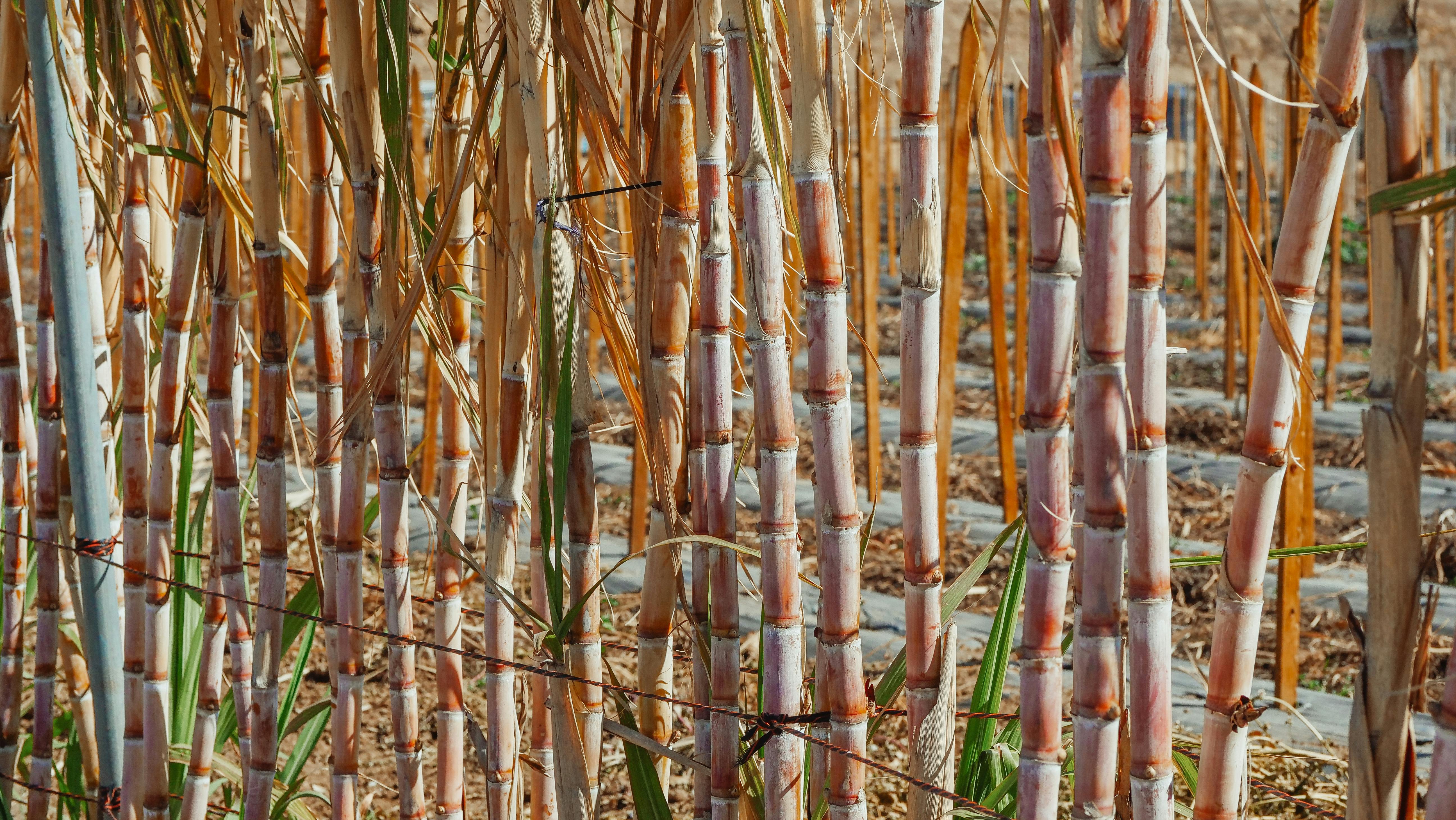
Sesame seeds, one of humanity's oldest oilseed crops, bring their distinctive nutty flavor to hydroponic gardens. These heat-loving plants produce abundant seeds in controlled environments, delivering freshness and flavor impossible to match with store-bought seeds.
Sesame in Controlled Environments
Hydroponic sesame cultivation overcomes the climate limitations that restrict traditional production to tropical and subtropical regions. Controlled temperature and consistent nutrients support vigorous growth and seed development. Protected environments eliminate bird and pest damage that plagues outdoor sesame crops. Fresh, home-grown sesame offers superior flavor and oil content compared to commercially processed seeds.
Variety Selection for Container Growing
Choose sesame varieties suited to container culture. Many commercial varieties grow 3-6 feet tall; look for compact selections when possible. Benne (the traditional Southern US variety) offers good production on manageable plants. Consider varieties bred for non-shattering pods to prevent seed loss at harvest. Both white and black sesame varieties grow similarly—choose based on culinary preference.
System Setup for Sesame
Dutch buckets with 3-5 gallons of perlite or coco coir support individual sesame plants well. Space buckets 12-18 inches apart for adequate light penetration as plants develop. Install stakes at planting—sesame stems are relatively weak and bend easily when pod-laden. Ensure drainage is excellent; sesame tolerates drought better than wet conditions.
Heat Requirements for Flowering
Sesame demands consistent warmth throughout its growing cycle. Maintain temperatures of 75-90°F (24-32°C) for optimal growth—sesame tolerates heat that would stress many crops. Growth halts below 68°F and plants suffer damage below 50°F. Night temperatures should remain above 65°F for continued development. This heat requirement makes sesame ideal for warm growing environments that challenge other crops.
Nutrient Management for Oil Content
Sesame requires moderate fertility for best results. Maintain EC of 1.5-2.0 mS/cm with balanced NPK during vegetative growth. Reduce nitrogen as flowering begins to encourage seed development over continued vegetative growth. Sulfur contributes to oil quality—ensure your nutrient formula includes adequate sulfur. Phosphorus supports flower and pod development.
Understanding Sesame Flowering
Sesame produces tubular flowers along the stem starting from the base upward. Flowers are self-pollinating but benefit from gentle shaking or air movement to improve seed set. Flowering continues for several weeks as plants grow taller, with lower pods maturing while upper flowers still bloom. This progressive development affects harvest timing significantly.
Harvest Timing to Prevent Seed Loss
Traditional sesame varieties shatter dramatically when fully dry—the origin of "Open Sesame." Monitor lower pods carefully as they begin yellowing. Harvest entire plants when lower pods turn light brown but before they split open. For non-shattering varieties, wait until most pods have dried. Cut stems and hang upside down over sheets to catch any released seeds during final drying.
Processing and Storing Seeds
Once stems are completely dry, thresh by shaking plants over clean sheets or gently beating stems. Seeds fall freely from dried pods. Winnow to remove chaff—sesame seeds are denser than debris and can be separated with gentle airflow. Store cleaned seeds in airtight containers away from heat and light. Fresh sesame has remarkably superior flavor to aged commercial seeds—use within 3-6 months for best quality.
Keep exploring related guides
Follow the topic cluster below to discover more growing methods, troubleshooting advice, and crop-specific tutorials.