Deep Water Culture
Growing Hydroponic Nasturtiums: Edible Flowers for Indoor Gardens
Learn to grow vibrant hydroponic nasturtiums with peppery flavor. Complete guide to cultivating edible flowers in DWC and NFT systems year-round.
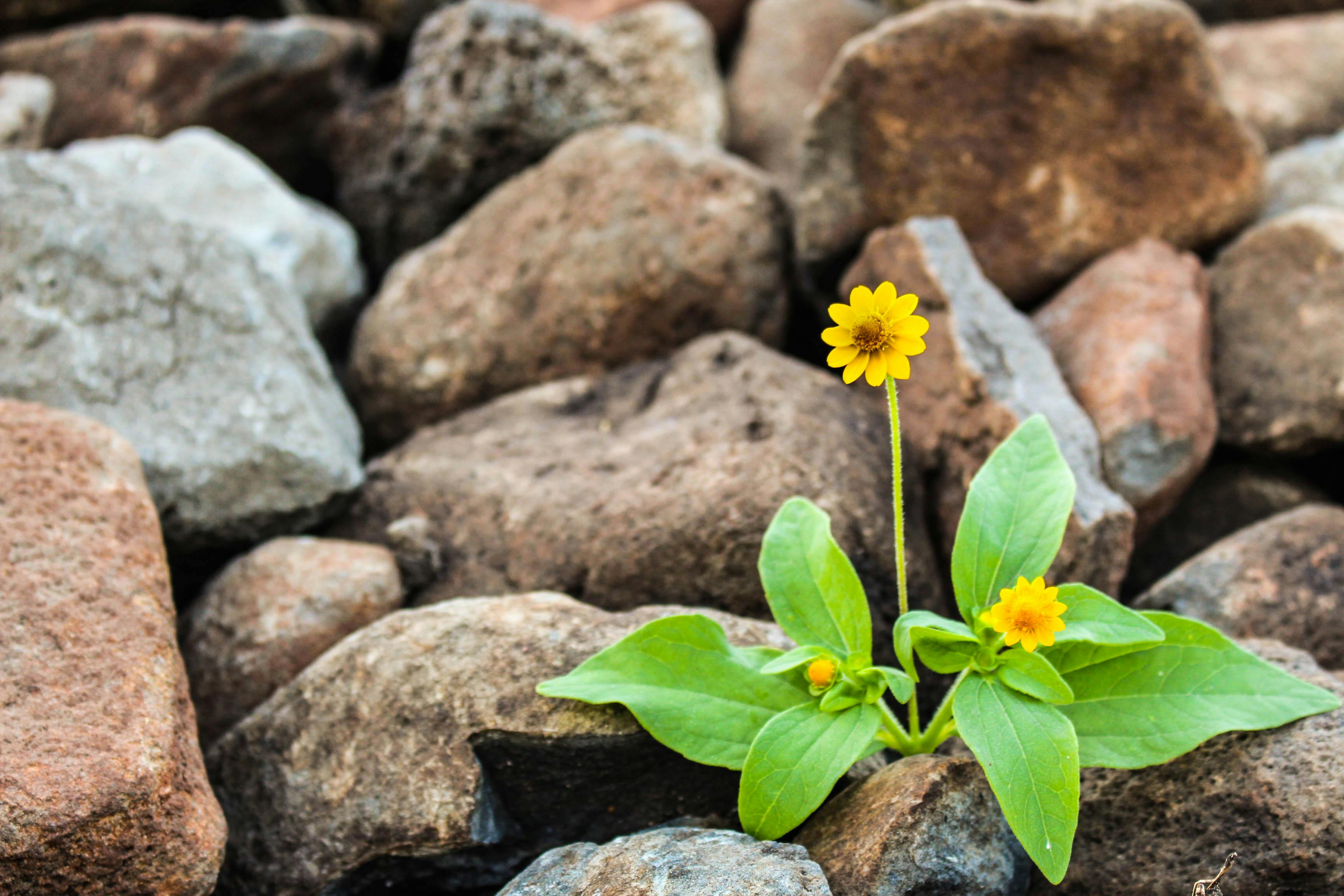
Nasturtiums are one of the most rewarding edible flowers to grow hydroponically, offering vibrant colors and a distinctive peppery flavor that elevates any dish. These versatile plants produce both edible flowers and leaves, making them a dual-purpose addition to your indoor garden.
Why Grow Nasturtiums Hydroponically?
Hydroponic nasturtiums offer several advantages over traditional soil cultivation. The controlled environment allows for year-round production, faster growth rates, and cleaner harvests free from soil-borne pests and diseases.
Benefits of Hydroponic Nasturtium Cultivation
- Year-round production - Enjoy fresh edible flowers regardless of outdoor weather
- Faster growth - Reach harvest 2-3 weeks earlier than soil-grown plants
- Cleaner flowers - No soil splashing means pristine blooms for culinary use
- Space efficiency - Trailing varieties work well in vertical systems
- Pest control - Indoor growing reduces aphid and caterpillar problems
Best Hydroponic Systems for Nasturtiums
Nasturtiums adapt well to multiple hydroponic methods, but some systems produce better results than others.
Deep Water Culture (DWC)
DWC systems work excellently for nasturtiums, providing consistent moisture and nutrients. Use net pots with clay pebbles and maintain water temperatures between 65-75°F for optimal growth.
Nutrient Film Technique (NFT)
NFT channels support nasturtium growth with their shallow root systems. Ensure adequate channel width to accommodate the spreading nature of these plants.
Nutrient Requirements
Nasturtiums prefer moderate nutrient levels and actually produce more flowers when slightly stressed. Excessive nitrogen promotes leaf growth at the expense of blooms.
Optimal Nutrient Ratios
- EC levels - Maintain 1.0-1.4 mS/cm for best flowering
- pH range - Keep between 6.0-6.5
- Nitrogen - Use lower nitrogen formulas during flowering
- Phosphorus - Increase slightly to promote bloom development
Light Requirements
Provide 12-16 hours of light daily using full-spectrum LED grow lights. Nasturtiums tolerate partial shade but produce the most flowers with adequate light exposure.
Harvesting and Using Nasturtiums
Both flowers and leaves are edible and can be harvested throughout the growing season. Pick flowers in the morning after dew has dried for best flavor and appearance.
Culinary Uses
- Fresh salad garnishes and ingredients
- Stuffed flowers with herbed cheese
- Pickled nasturtium buds (poor man's capers)
- Infused vinegars and oils
- Colorful plate decorations
Common Varieties for Hydroponics
Compact and dwarf varieties work best in hydroponic systems. Consider Jewel Mix, Alaska, or Empress of India for their manageable size and prolific blooming.
Keep exploring related guides
Follow the topic cluster below to discover more growing methods, troubleshooting advice, and crop-specific tutorials.