Hydroponics
Growing Hydroponic Lettuce: Fresh Salads Year-Round in Small Spaces
Master hydroponic lettuce growing with our complete guide. Learn NFT systems, optimal conditions, variety selection, and harvest techniques for year-round fresh salads.
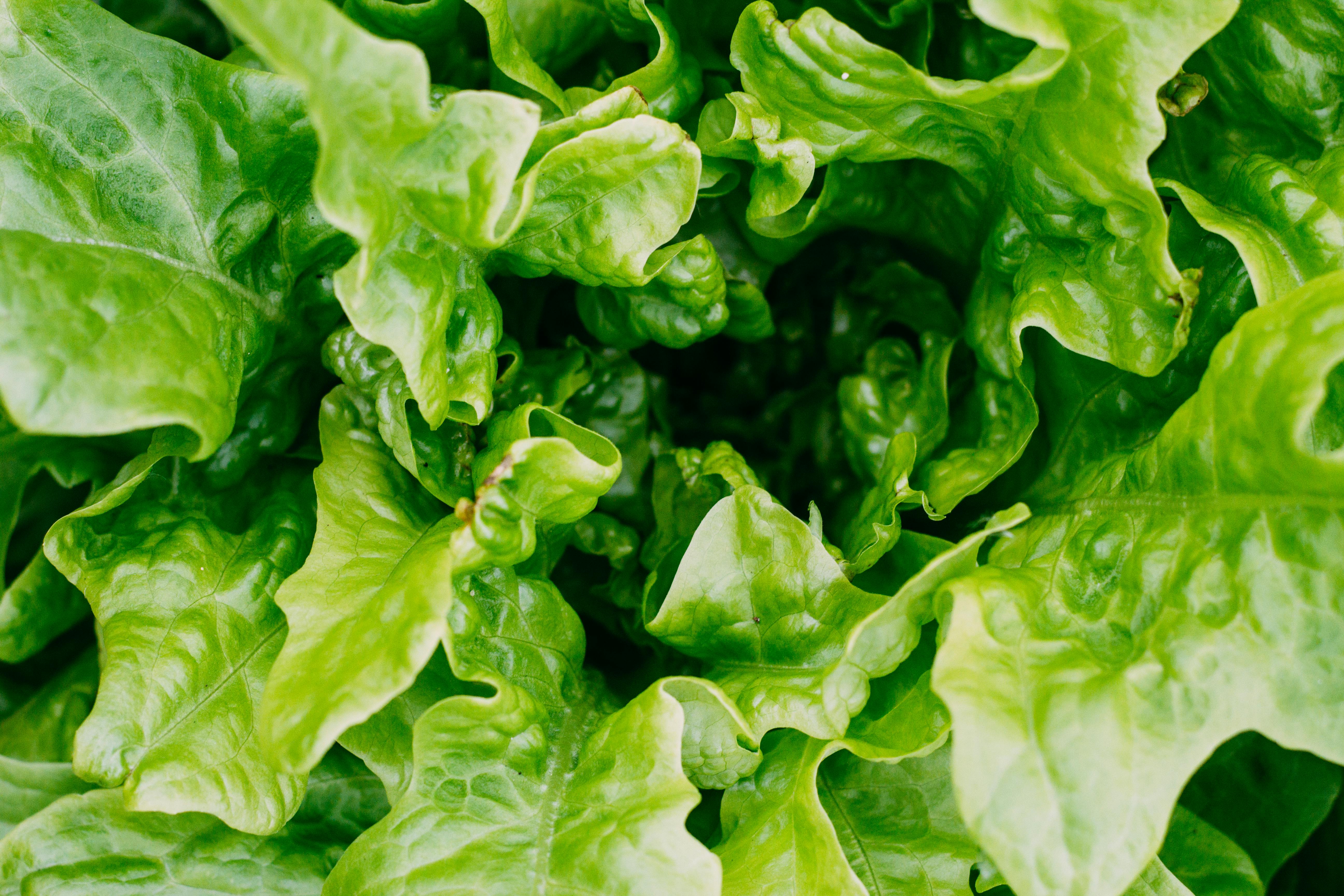
Why Hydroponic Lettuce Thrives in Small Spaces
Hydroponic lettuce is one of the easiest and most rewarding crops for indoor gardeners. With growth cycles as short as 30 days, you can enjoy fresh, crisp salads year-round without any outdoor space. Lettuce's shallow root system makes it perfect for compact NFT (Nutrient Film Technique) systems that fit on countertops or small shelving units.
Best Lettuce Varieties for Hydroponics
Not all lettuce varieties perform equally in hydroponic systems. Butterhead varieties like Bibb and Boston produce tender, sweet leaves with excellent texture. Romaine types offer crisp hearts perfect for Caesar salads. Loose-leaf varieties like Oak Leaf and Red Sails allow continuous harvest of outer leaves while the plant keeps producing.
Optimal Growing Conditions
Lettuce prefers cooler temperatures between 60-70°F (15-21°C), making it ideal for indoor growing where you control the climate. Provide 12-16 hours of light daily using LED grow lights positioned 6-12 inches above the plants. Keep your nutrient solution pH between 5.5-6.5 and EC levels at 0.8-1.2 for optimal growth.
Preventing Common Issues
Tip burn occurs when calcium uptake is insufficient—ensure proper air circulation and calcium levels in your nutrient solution. Bolting (premature flowering) happens when temperatures exceed 75°F or light cycles are disrupted. Harvest promptly when leaves reach desired size to maintain the best flavor and prevent bitterness.
Harvest and Storage Tips
Harvest lettuce in the morning when leaves are most crisp and hydrated. For loose-leaf varieties, pick outer leaves first, allowing the center to continue growing. Store unwashed lettuce in a sealed container with a paper towel to absorb excess moisture—it will stay fresh for up to two weeks.
Keep exploring related guides
Follow the topic cluster below to discover more growing methods, troubleshooting advice, and crop-specific tutorials.