Hydroponics
Growing Hydroponic Lemon Cucumbers: Compact Round Fruit Success
Learn how to grow lemon cucumbers hydroponically with optimal nutrients, temperature control, and training methods for abundant harvests of sweet, round fruit.
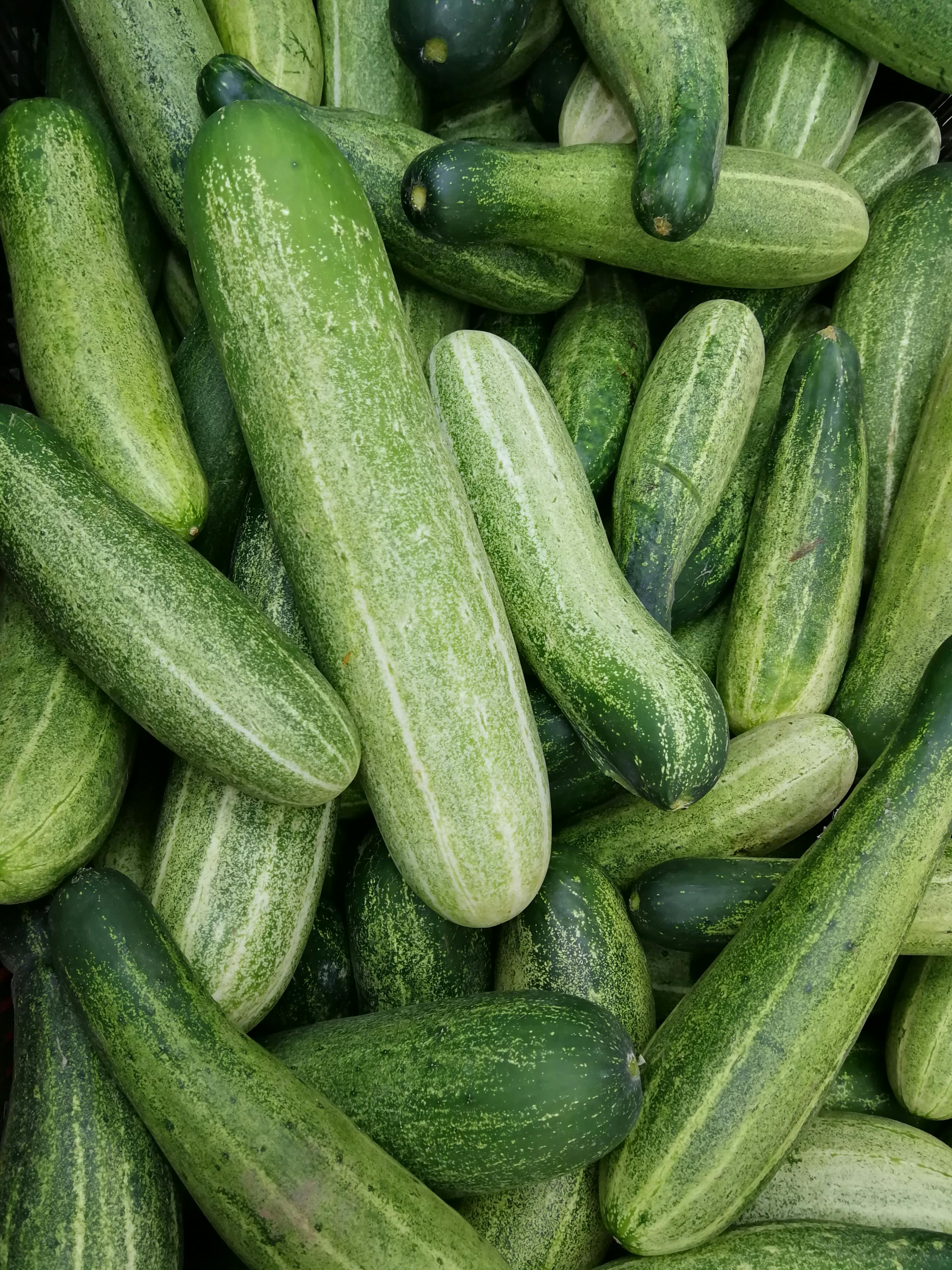
Lemon cucumbers, with their round yellow appearance and mild, sweet flavor, are perfectly suited for hydroponic cultivation. These heirloom gems produce prolifically in controlled environments while taking up less space than traditional cucumber varieties.
Why Grow Lemon Cucumbers Hydroponically?
Lemon cucumbers offer unique advantages for hydroponic gardeners. Their compact growth habit and prolific production make them ideal for space-limited setups. The fruits mature faster than many cucumber varieties, with consistent yields throughout the growing season. Hydroponic systems eliminate soil-borne diseases that commonly affect cucurbits, ensuring healthier plants and higher quality fruit.
Optimal Hydroponic Systems for Lemon Cucumbers
Dutch bucket systems excel for lemon cucumber production due to their excellent support for vigorous root systems. Each bucket can support one to two plants with proper trellising. Deep water culture (DWC) systems also work well for these compact plants, providing excellent oxygenation and nutrient availability. For smaller spaces, consider Kratky systems with 5-gallon containers.
Nutrient Requirements and EC Management
Lemon cucumbers thrive with EC levels between 1.8-2.4 mS/cm during vegetative growth, increasing to 2.2-2.8 mS/cm during fruiting. Maintain a nitrogen-heavy formula during early growth, then transition to higher potassium and phosphorus ratios as flowers develop. Calcium and magnesium supplementation prevents blossom end rot and supports fruit development. Target pH levels between 5.5-6.2 for optimal nutrient uptake.
Temperature and Humidity Control
Maintain daytime temperatures between 75-85°F (24-29°C) with nighttime temperatures no lower than 60°F (16°C). Humidity levels of 60-70% promote healthy growth without encouraging fungal diseases. Adequate air circulation prevents powdery mildew, a common cucurbit concern. Consider oscillating fans positioned to create gentle airflow around the foliage.
Trellising and Training Techniques
Vertical support maximizes space efficiency and fruit quality. Train main vines up strings or netting, removing lateral shoots below the first 12 inches to improve airflow. Unlike slicing cucumbers, lemon cucumbers can be allowed to branch more freely above this point due to their compact fruit size. Regular harvesting encourages continued production throughout the season.
Pollination Strategies for Indoor Growing
Indoor hydroponic setups require manual pollination or the introduction of pollinators. Hand pollination using a small brush to transfer pollen from male to female flowers ensures fruit set. Identify female flowers by the small fruit visible behind the blossom. Pollinate in morning hours when flowers are fully open for best results.
Harvesting at Peak Quality
Harvest lemon cucumbers when they reach 2-3 inches in diameter and display a pale yellow color. Overripe fruits turn deep yellow and develop seeds, reducing eating quality. Regular harvesting every 1-2 days during peak production encourages continued flowering. The mild, burpless flavor makes these perfect for fresh eating or light pickling.
Common Challenges and Solutions
Spider mites and aphids are primary pest concerns in hydroponic cucurbit production. Introduce beneficial insects like ladybugs or apply neem oil at first signs of infestation. Monitor plants daily for early detection. Bitter fruit typically indicates inconsistent watering or temperature stress—maintain stable conditions for best flavor quality.
Keep exploring related guides
Follow the topic cluster below to discover more growing methods, troubleshooting advice, and crop-specific tutorials.