Hydroponics
Growing Hydroponic Honeydew Melon: Creamy Sweet Success
Learn to grow sweet hydroponic honeydew melons using Dutch buckets, precise nutrients, and temperature control for creamy, flavorful fruit superior to store-bought.
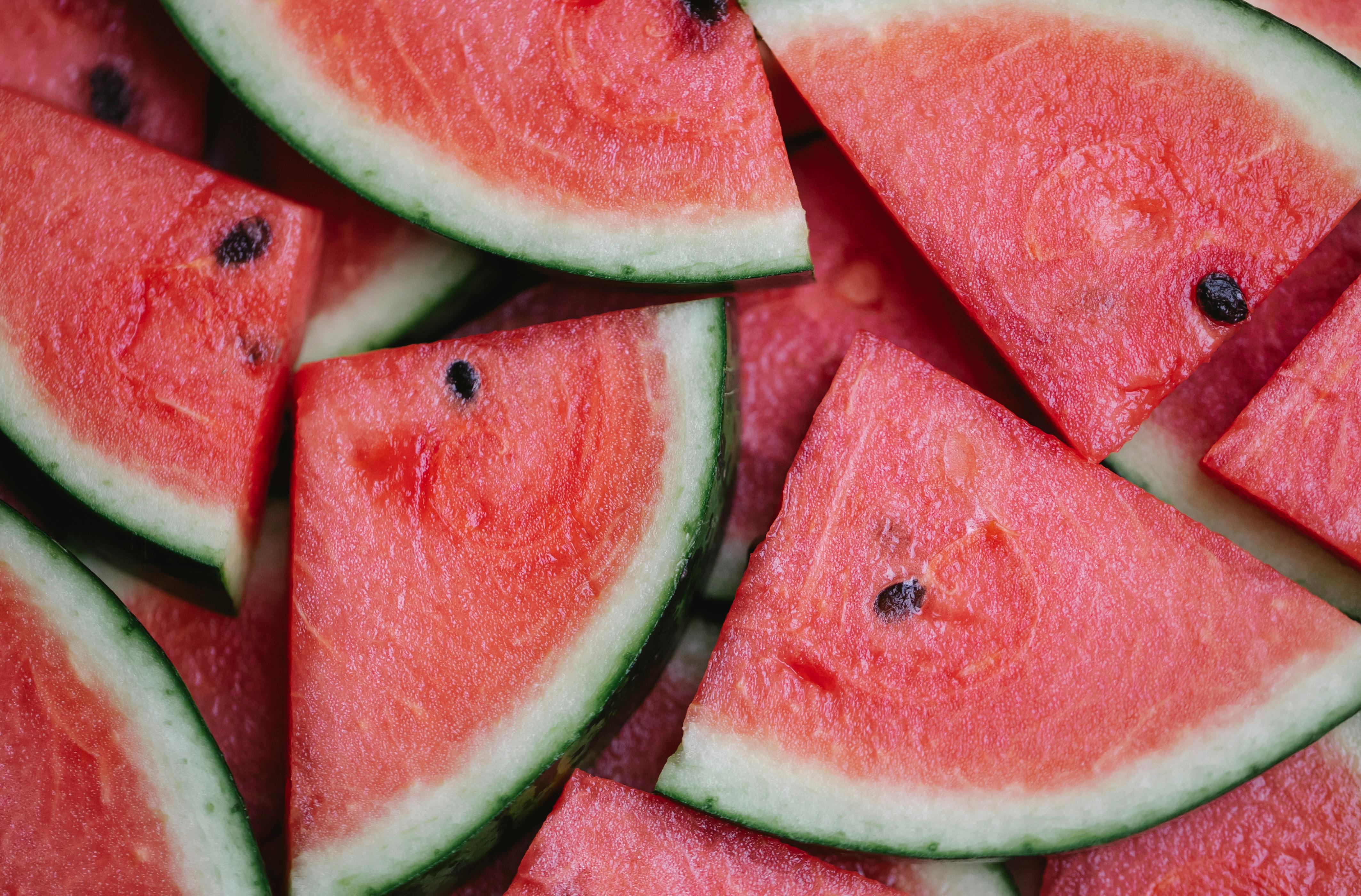
Honeydew melons reward hydroponic growers with exceptionally sweet, creamy flesh that surpasses supermarket quality. These smooth-skinned melons thrive in controlled environments where consistent nutrients and temperatures maximize sugar content.
Honeydew Advantages in Hydroponic Culture
Hydroponic honeydew production offers superior results compared to traditional field growing. Precise nutrient control during ripening concentrates sugars for maximum sweetness. The smooth, unnetted skin remains blemish-free without soil contact or ground rot concerns. Vertical training maximizes space efficiency while improving air circulation around developing fruits. Controlled environments extend growing seasons beyond traditional outdoor limitations.
Variety Selection for Soilless Growing
Choose honeydew varieties suited to controlled environment production. Snow Leopard produces reliable yields with excellent sweetness on compact vines. Honey Yellow offers earlier maturity than traditional green honeydews. For classic flavor, Green Flesh and Earlidew provide proven performance. Consider orange-flesh varieties like Orangedew for unique color and tropical notes. Smaller personal-size varieties reduce fruit support requirements.
Dutch Bucket Setup and Spacing
Configure Dutch buckets with 5-gallon capacity using perlite or clay aggregate media. Space buckets 24-30 inches apart for adequate foliage room. Install heavy-duty overhead trellising capable of supporting multiple 4-6 pound fruits per plant. Ensure drainage lines slope adequately for complete nutrient solution return. Position buckets where vines can climb 6-8 feet vertically for optimal production.
Nutrient Programming for Maximum Sweetness
Honeydew nutrient management directly affects fruit quality. Start seedlings with EC of 1.5-2.0 mS/cm, gradually increasing as plants establish. During flowering and early fruit set, maintain EC at 2.2-2.5 mS/cm with elevated phosphorus. As fruits size up, increase potassium while reducing nitrogen to concentrate sugars. Final ripening phase benefits from slightly reduced EC around 2.0-2.2 mS/cm to enhance sweetness perception.
Temperature Manipulation for Sugar Development
Day-night temperature differentials drive sugar accumulation in honeydew. Maintain daytime temperatures of 80-90°F (27-32°C) with nighttime drops to 65-70°F (18-21°C). This 15-20°F differential allows photosynthesis during warm days while reducing respiration at night, retaining more sugars in fruit. Avoid temperatures below 60°F (16°C) which can cause chilling injury and bland flavor development.
Pollination and Fruit Thinning
Honeydew requires thorough pollination for properly shaped, sweet fruit. Hand-pollinate by rolling a soft brush inside male flowers, then transferring to female flower centers. Complete several passes per female flower for even seed distribution. Thin to 2-3 fruits per plant for premium size and sweetness. Removing excess flowers after fruit set directs energy to developing melons.
Supporting Developing Fruits
Begin supporting honeydew fruits when they reach baseball size. Mesh bags, nylon stockings, or commercial melon hammocks attached to trellises prevent stem damage. Check support tension weekly as fruits expand rapidly. Rotate melons periodically for even color development. Yellow color appearing on previously green skin indicates approaching ripeness.
Harvest Indicators for Peak Flavor
Honeydew ripeness requires careful observation since they don't slip from stems like cantaloupe. Skin color transitions from green to creamy white or pale yellow. The blossom end softens slightly and yields to gentle pressure. A subtle sweet fragrance develops near the stem end. Harvest when these signs align—honeydews don't continue ripening after picking. Store ripe melons at 45-50°F (7-10°C) for up to two weeks.
Keep exploring related guides
Follow the topic cluster below to discover more growing methods, troubleshooting advice, and crop-specific tutorials.