Deep Water Culture
Growing Hydroponic Carrots in Deep Containers: Complete Guide
Learn how to grow perfect hydroponic carrots with our complete guide covering deep containers, nutrient management, and harvesting techniques for sweet roots.
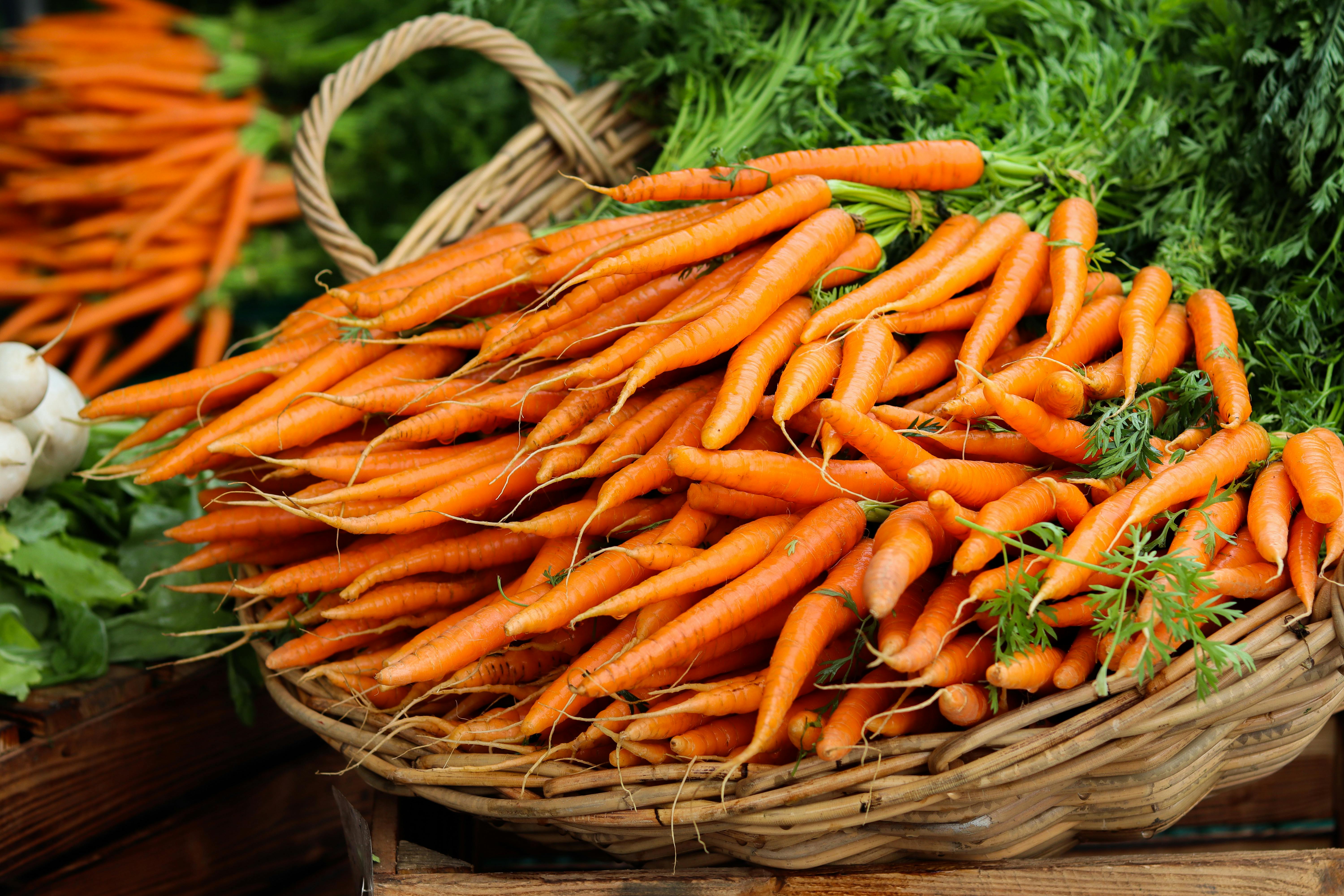
Growing carrots hydroponically challenges traditional assumptions about root vegetables needing soil. With proper container depth and growing medium, you can produce sweeter, straighter carrots than soil-grown alternatives.
This comprehensive guide covers everything from variety selection to harvest timing, ensuring your hydroponic carrot crop exceeds expectations in both quality and yield.
Why Grow Carrots Hydroponically?
Hydroponic carrots offer distinct advantages over soil cultivation. Without rocks or compacted soil, roots grow perfectly straight. Controlled nutrient delivery produces sweeter carrots with higher sugar content. The absence of soil-borne pests eliminates common carrot problems.
Many growers find hydroponic carrots mature faster and produce more uniform roots than their soil-grown counterparts, making them ideal for market production.
Choosing Carrot Varieties for Hydroponics
Shorter varieties perform best in hydroponic systems. Nantes types like Bolero and Napoli produce 6-7 inch roots perfect for most container depths. Chantenay varieties work well in shallower systems. Parisian and Atlas produce round baby carrots ideal for limited space.
Avoid long varieties like Imperator unless you have containers exceeding 12 inches deep. Purple and yellow varieties add visual interest while maintaining excellent flavor.
Container and Growing Medium Setup
Container depth determines carrot size potential. Use minimum 10-inch deep containers for standard varieties, 12+ inches for longer types. Wide, shallow containers work for baby carrot varieties.
Perlite mixed with vermiculite provides ideal root support. Some growers use clay pebbles with a perlite top layer. The medium must drain well while maintaining moisture contact with developing roots.
Nutrient Requirements for Root Development
Carrots require lower nitrogen than leafy crops to prevent excessive top growth. Maintain EC between 1.6-2.0 mS/cm. Phosphorus and potassium support root development and sugar accumulation.
Avoid nitrogen spikes that cause forked or hairy roots. Consistent potassium levels throughout growth improve storage quality and sweetness.
Temperature and Light Management
Carrots prefer cool conditions between 60-70°F. Higher temperatures cause bitter, woody roots. Provide 12-16 hours of moderate light daily. Intense light combined with heat stress reduces quality.
Root zone temperature matters more than air temperature. Keep nutrient solution below 70°F for optimal root development and sugar accumulation.
Managing Root Development
Thin seedlings early to prevent crowded, misshapen roots. Space plants 2-3 inches apart depending on variety. Consistent moisture prevents cracking and splitting.
Cover exposed root shoulders to prevent green coloring. Some growers use light-blocking collars around the crown area to maintain orange color throughout.
Common Problems and Solutions
Forked roots usually indicate inconsistent watering or nutrient imbalances. Hairy roots suggest excess nitrogen. Bitter flavor develops from heat stress or harvesting too late.
Green shoulders result from light exposure during development. Cracking occurs when growth rate changes suddenly, typically from irregular watering.
Harvesting and Storage
Harvest when shoulders reach expected diameter for your variety. Carrots left too long become woody and bitter. Pull gently from the growing medium, rinse immediately.
Store unwashed in cool, humid conditions. Hydroponic carrots often store longer than soil-grown due to cleaner roots and less surface damage during harvest.
Keep exploring related guides
Follow the topic cluster below to discover more growing methods, troubleshooting advice, and crop-specific tutorials.