Hydroponics
Growing Hydroponic Cantaloupe: Sweet Melons in Soilless Systems
Master hydroponic cantaloupe cultivation with our guide to Dutch bucket systems, nutrient staging, pollination, and harvest timing for the sweetest melons possible.
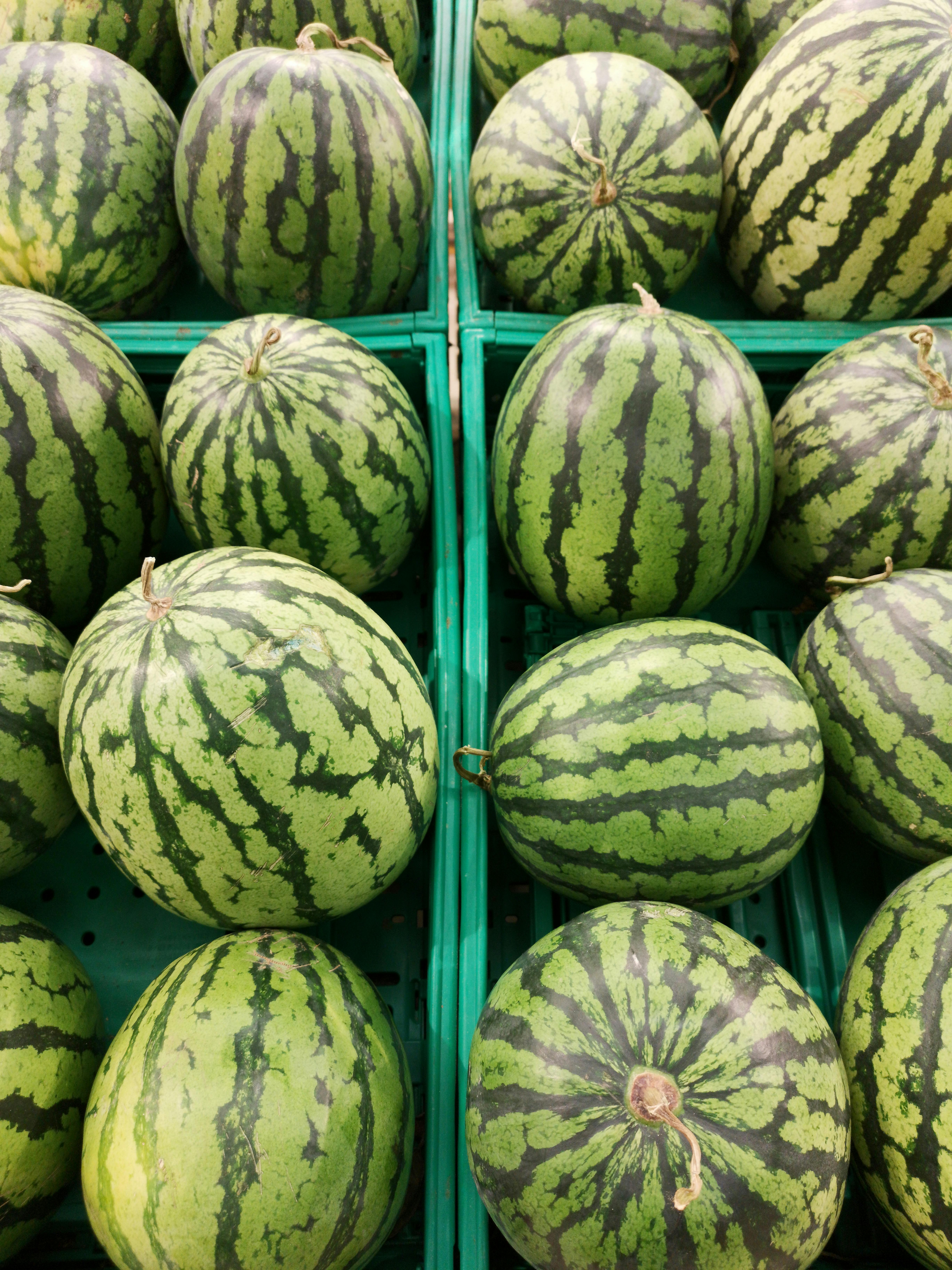
Growing cantaloupe hydroponically produces remarkably sweet melons with superior flavor to store-bought fruit. With proper system design and management, you can harvest sun-ripened melons even in limited spaces or challenging climates.
Benefits of Hydroponic Cantaloupe Production
Hydroponic cantaloupe offers several advantages over traditional cultivation. Controlled nutrient delivery enhances sugar content and flavor development. Disease pressure decreases dramatically without soil contact, particularly reducing fusarium wilt and other fungal issues. Space efficiency increases significantly with vertical training systems, and harvest timing becomes more predictable with consistent growing conditions.
Selecting Cantaloupe Varieties for Hydroponics
Choose compact or semi-dwarf varieties for space efficiency. Minnesota Midget produces 4-inch fruits perfect for small systems. Charentais melons offer exceptional flavor and manageable size. For larger systems, Ambrosia and Athena provide excellent sweetness and productivity. Consider disease-resistant varieties to minimize potential problems in controlled environments.
Dutch Bucket System Configuration
Dutch buckets provide the ideal growing environment for cantaloupe. Use 3-5 gallon buckets filled with perlite or expanded clay aggregate. Space buckets 18-24 inches apart along drain lines. Install sturdy overhead trellising capable of supporting 5-10 pound melons. Ensure drainage returns to the reservoir efficiently to prevent root zone flooding.
Nutrient Management Through Growth Stages
Cantaloupe nutrient needs change dramatically through development. During vegetative growth, maintain EC at 2.0-2.5 mS/cm with balanced NPK. As flowering begins, reduce nitrogen while increasing potassium and phosphorus. During fruit development, raise EC to 2.5-3.0 mS/cm to concentrate sugars. Calcium supplementation throughout prevents blossom end rot in developing melons.
Climate Control for Optimal Sweetness
Temperature management directly affects sugar development. Maintain 75-85°F (24-29°C) daytime temperatures with 65-70°F (18-21°C) nights. A 10-15°F day-night differential promotes sugar accumulation in fruit. Humidity control at 50-60% during fruiting prevents fungal issues while supporting pollination. Increase ventilation as fruits mature to enhance flavor concentration.
Pollination Requirements and Techniques
Cantaloupe flowers require pollination for fruit set. Indoor systems need manual pollination or bumblebee introduction. Female flowers display a small melon shape behind petals, appearing 7-10 days after male flowers. Transfer pollen early morning when flowers open fresh. Each female flower requires multiple pollen visits for fully developed fruit with proper seed distribution.
Fruit Support and Protection
Developing melons require support as they grow. Create mesh hammocks or use melon nets attached to trellis structures. Support fruits when they reach tennis ball size to prevent stem damage. Rotate melons occasionally for even coloring. Remove excess fruit to allow 2-3 melons per plant for maximum size and sweetness.
Determining Harvest Readiness
Cantaloupe ripeness indicators include color change from green to tan, netting pattern development, and the "full slip" stage where fruit separates easily from the stem with gentle pressure. Aroma intensifies as melons ripen—a sweet fragrance at the blossom end signals peak ripeness. Harvest in morning hours for best sugar content and storage quality.
Keep exploring related guides
Follow the topic cluster below to discover more growing methods, troubleshooting advice, and crop-specific tutorials.