Deep Water Culture
Growing Hydroponic Bell Peppers: Sweet Colorful Harvests Year-Round
Master hydroponic bell pepper cultivation with proper nutrient management, pollination techniques, and harvesting tips for sweet colorful peppers year-round.
Why Grow Hydroponic Bell Peppers?
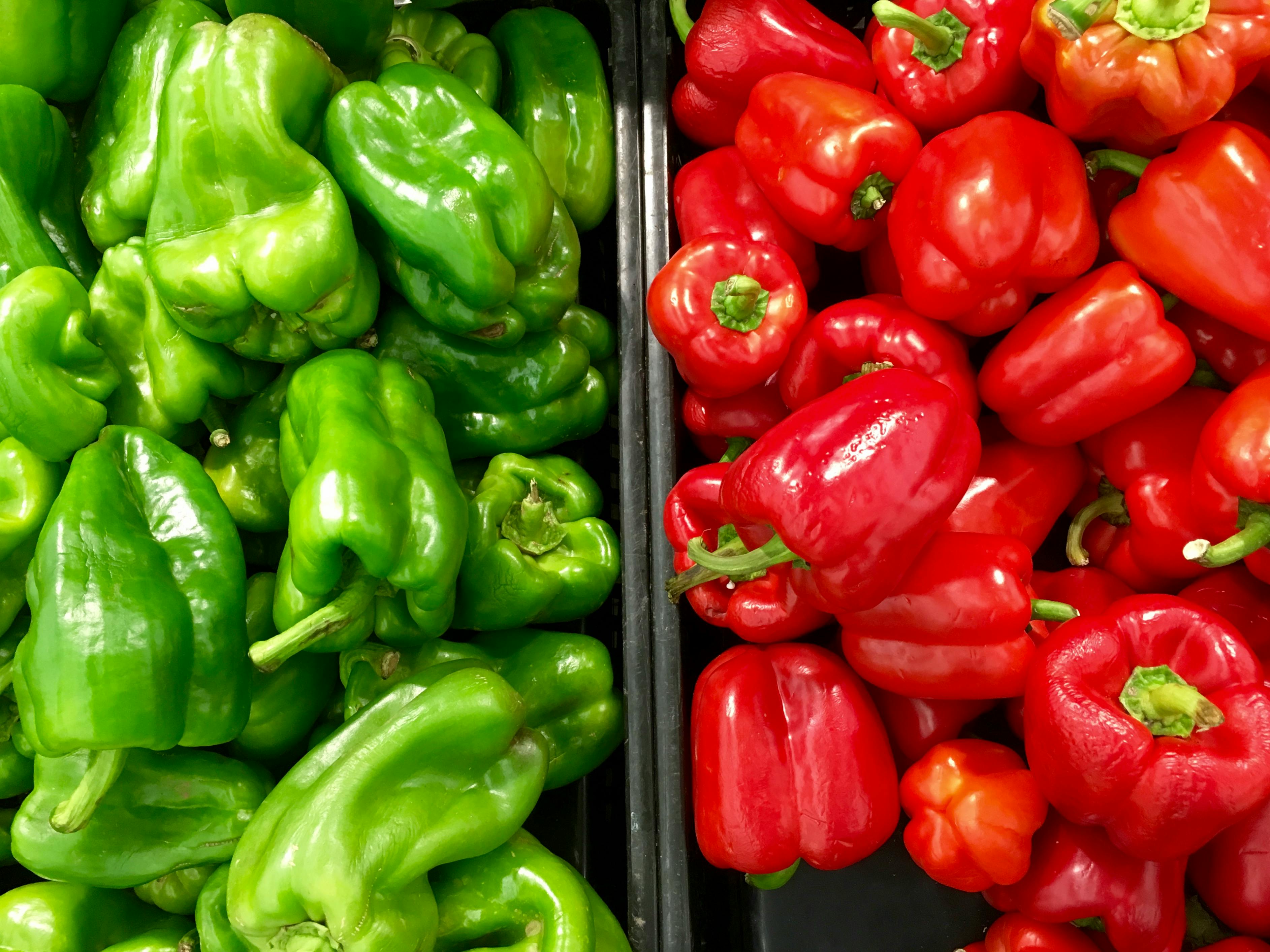
Bell peppers are excellent candidates for hydroponic cultivation, producing vibrant, sweet fruits in red, yellow, orange, and green varieties. Hydroponic systems provide the consistent conditions peppers need for optimal sugar development and color formation.
Optimal Growing Conditions
Bell peppers thrive in warm conditions with temperatures between 70-85°F during the day and 65-70°F at night. They require high light levels of 14-18 hours daily and benefit from supplemental lighting during winter months. Maintain humidity around 50-70% for best results.
Best Hydroponic Systems for Peppers
Dutch bucket systems are ideal for bell peppers due to their larger root systems and extended growing period. Deep water culture works well for smaller varieties, while drip systems provide precise nutrient delivery for maximum fruit production.
Nutrient Requirements
Bell peppers have moderate to high nutrient demands. Start with EC levels of 1.8-2.5 mS/cm and maintain pH between 5.8-6.5. Increase calcium and magnesium during fruiting to prevent blossom end rot. Potassium becomes crucial during color development.
Pollination and Fruit Set
Unlike outdoor peppers that rely on wind and insects, hydroponic peppers need manual pollination assistance. Gently shake plants daily or use a small brush to transfer pollen between flowers. Good air circulation also helps with natural pollen movement.
Harvesting Your Peppers
Green peppers can be harvested at any size, while colored varieties need 2-3 additional weeks to fully ripen. Cut stems with clean shears rather than pulling to avoid plant damage. Regular harvesting encourages continued fruit production.
Keep exploring related guides
Follow the topic cluster below to discover more growing methods, troubleshooting advice, and crop-specific tutorials.