Deep Water Culture
Growing Hydroponic Basil: Complete Guide to Aromatic Success
Master hydroponic basil growing with expert tips on varieties, nutrients, and harvesting. Grow flavorful basil 25% faster than soil methods.
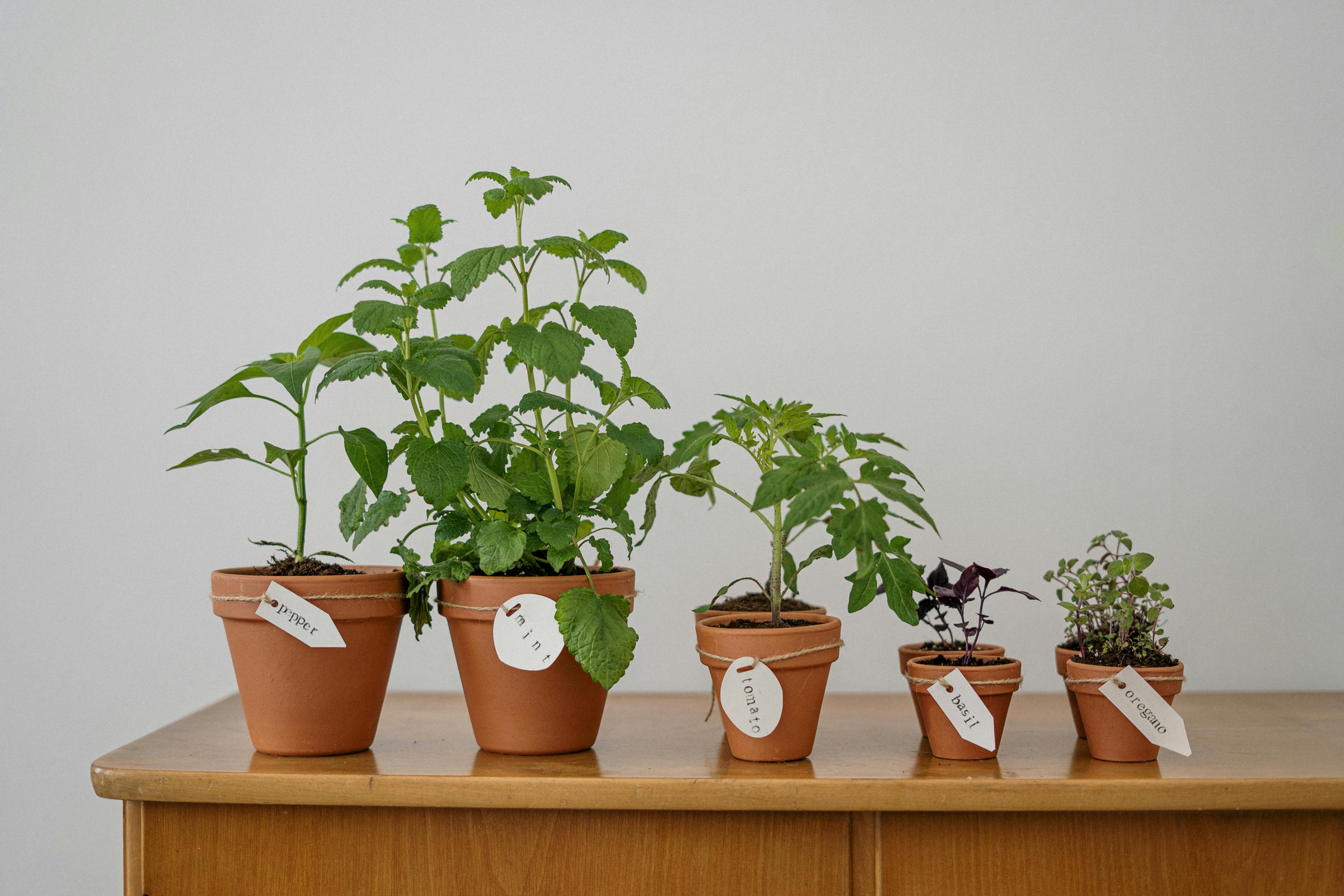
Basil is the crown jewel of hydroponic herb gardens, delivering incredible flavor and aroma when grown in controlled water-based systems. This Mediterranean favorite thrives in hydroponic environments, producing larger leaves and more intense essential oils than soil-grown counterparts.
Why Hydroponic Basil Outperforms Soil Growing
Hydroponic basil grows up to 25% faster than traditional methods, reaching harvest size in just 3-4 weeks from transplant. The controlled nutrient delivery ensures consistent flavor development and prevents the bitter compounds that stressed soil plants often produce.
Best Basil Varieties for Hydroponics
Genovese Basil remains the gold standard for culinary applications, producing large, cupped leaves perfect for pesto and caprese salads. Sweet Basil offers versatility with a milder flavor profile ideal for beginners.
Thai Basil brings anise notes and performs exceptionally in hydroponic systems, while Lemon Basil adds citrus complexity to your herb garden. Purple Basil provides visual interest along with a slightly spicier flavor.
Optimal Growing Conditions
Maintain water temperature between 65-80°F for optimal root health. Basil prefers a pH range of 5.5-6.5 and EC levels of 1.0-1.6 mS/cm. Provide 14-16 hours of light daily using full-spectrum LEDs positioned 6-12 inches above plants.
Nutrient Management for Flavorful Basil
Start seedlings with half-strength nutrients, gradually increasing to full concentration after the third true leaf set. Boost phosphorus during vegetative growth and maintain adequate calcium to prevent tip burn.
Harvesting for Continuous Production
Harvest by pinching stems just above leaf nodes to encourage bushy growth. Regular harvesting prevents flowering, which causes leaves to become bitter. A single plant can provide fresh basil for 3-4 months with proper management.
Common Challenges and Solutions
Watch for pythium root rot by maintaining proper oxygen levels and water temperature. Prevent nutrient lockout by monitoring pH daily. Address leggy growth by increasing light intensity or reducing distance to light source.
Keep exploring related guides
Follow the topic cluster below to discover more growing methods, troubleshooting advice, and crop-specific tutorials.