Vertical Tower
Winter Bok Choy: Vertical Hydroponics in Recycled Bottles
Learn how to vertical bok choy recycled bottles in your apartment. Step-by-step guide with expert tips.
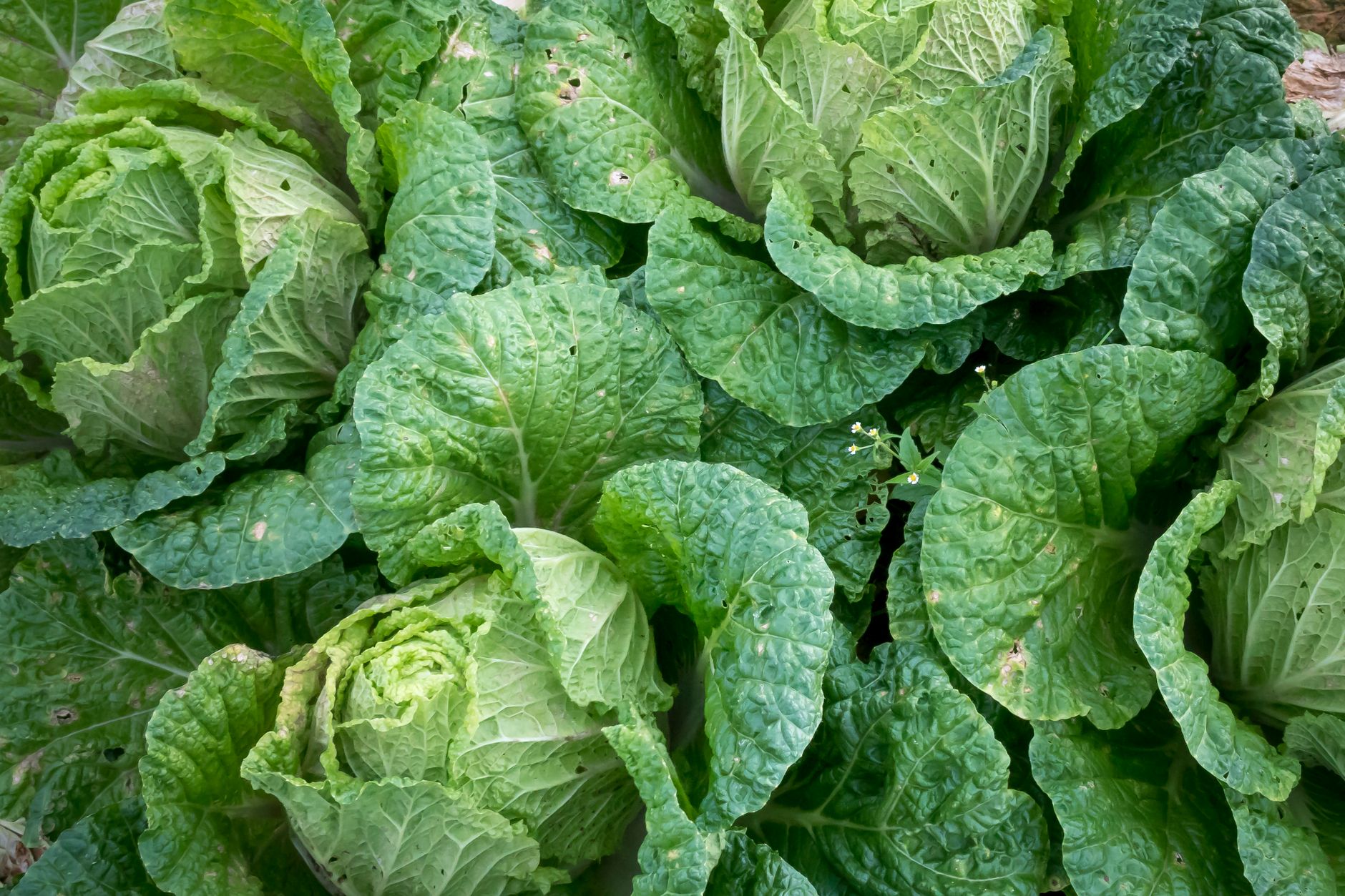
Why Bok Choy Does So Well with Vertical Tower
Okay, so it’s February here in Brooklyn. Grim, gray, and everyone’s got the winter blues. But guess what? My tiny apartment is a vibrant green oasis, churning out crisp, tender bok choy like it’s mid-summer. And I'm doing it all with this fantastic vertical hydroponics setup using, get this, recycled plastic bottles. It’s not just a cute little experiment; it’s a seriously productive way to beat the winter growing slump and enjoy fresh greens when everything outside is frozen solid.
Bok choy, bless its leafy heart, is an absolute champion for indoor growing, especially in a vertical system. Why? First, it’s compact. You don't need sprawling vines or deep root systems. It grows upwards, which is perfect for stacking. Second, it’s a quick grower. We're talking 40ish days for some varieties, though for a full, meaty harvest, I usually give it closer to 60. You can be munching on it before you even consider what to plant next spring. I've even written about regrowing bok choy in a glass vase and milk cartons – it's just that versatile.
The beauty of growing vertical bok choy recycled bottles style is that you’re essentially creating microclimates for each plant. You get phenomenal control over light, nutrients, and even air circulation, which are all key to happy, healthy bok choy. Plus, using recycled bottles? It feels good, it saves money, and honestly, it looks pretty darn cool transforming trash into fresh food.
What You'll Actually Need
Before we dig in, let's talk gear. Don't worry, it's not a lot, and most of it you probably have lying around.
- Recycled Plastic Bottles: I prefer 2-liter soda bottles. They’re sturdy, easy to cut, and give your bok choy roots enough room. Wash them out thoroughly. We want bok choy, not residual cola funk.
- Hydroponic Nutrient Solution: This is a non-negotiable. Plants need food! I’ve used General Hydroponics FloraSeries for years – it’s a three-part system (Grow, Micro, Bloom) that’s pretty forgiving. Follow the directions for leafy greens. Start at half strength, seriously.
- Grow Medium: Rockwool cubes are my go-to for starting seeds. Once they're a bit bigger, I transfer them to a net pot with coco coir or clay pebbles (hydroton). Don't use regular soil – it'll muck up your water system.
- Net Pots (2-inch): These hold your plant in the bottle opening and allow roots to reach the nutrient solution.
- Air Pump and Air Stone (optional, but highly recommended): This oxygenates your nutrient solution, preventing root rot and boosting growth. A small aquarium pump works perfectly.
- Grow Lights: Crucial for winter growing. You need a full-spectrum LED light. I like the ones from Spider Farmer or Mars Hydro; they're efficient and effective. Last March, my first batch of vertical bok choy recycled bottles got super leggy because I thought a south-facing window would be enough. Nope. Lesson learned the hard way. Bok choy needs 12-16 hours of light daily, especially indoors.
- pH Testing Kit and pH Up/Down: Hydroponics is all about balance. Bok choy likes a pH between 6.0 and 7.0. Keeping it dialed in makes a huge difference.
- Drill or Hot Knife: For cutting and drilling holes in your bottles. Be careful!
- Bok Choy Seeds: 'Pac Choi' or 'Joi Choi' are excellent choices for rapid, compact growth.
- Zip ties or twine: To string your vertical tower together.
The Growing Process, Step by Step
Months 1-2: Seed Starting & Bottle Prep
- Cut Your Bottles: Take your 2-liter bottle. Cut it about 1/3 of the way down from the top, just below the shoulder where it starts to neck down. This top piece will become your plant holder, and the bottom will be your reservoir.
- Invert and Connect: Flip the top section upside down and nestle it into the bottom section. The bottle cap should be off, and the neck should sit just above the water level in the reservoir. You want the roots to reach the water, but the stem to stay dry.
- Drill Holes: Drill a small hole near the top lip of the reservoir (the bottom part) so you can refill your nutrient solution easily without disturbing the plant. Also, drill a few tiny holes in the neck of the inverted top section if you're using coco coir or clay pebbles, just to ensure good drainage if you're bottom-watering during early stages or if you don't use net pots.
- Seed Starting: Start your bok choy seeds in rockwool cubes. Moisten the cubes, pop a few seeds in each, and keep them warm and humid. A humidity dome helps. Once they sprout, thin to one strong seedling per cube.
- Transfer to Net Pots: Once your seedlings have their first true leaves and some nascent root growth peeking out from the rockwool, gently transfer the rockwool cube into a 2-inch net pot. Fill the net pot with coco coir or clay pebbles around the rockwool to provide stability.
- Set Up Your System: Place the net pot into the opening of the inverted bottle top. Fill the bottom reservoir with your diluted nutrient solution (start at half strength!). Make sure the nutrient solution just touches the bottom of the net pot or the rockwool cube. Plug in your air pump and drop the air stone into the reservoir, if you're using one.
Months 3-4: Growth & Vertical Stacking
- String 'Em Up: Once you have a few bottle systems ready, you can start stacking them vertically. I usually drill two small holes on opposite sides of the bottom reservoir section, just below the lip. Then I thread strong twine or zip ties through these holes and connect them to the bottle above. You can create a tower of 3-4 bottles this way, optimizing your vertical space. It's a fantastic way to maximize that "vertical bok choy recycled bottles" vibe.
- Light Management: Position your grow lights so all your bok choy get ample light. My lights are usually 6-12 inches above the tallest leaves. Watch for stretching (etiolation) – that's your plant begging for more light.
- Nutrient & pH Monitoring: This is where the real work (and fun!) begins. Check your pH daily or every other day and adjust as needed. Top off your nutrient solution as it gets depleted. I fully change out the reservoirs every 1-2 weeks to prevent nutrient build-up and keep things fresh. Honestly, I think most beginners overthink this part. Just be consistent!
- Airflow: A small fan circulating air around your plants helps strengthen stems and prevents fungal issues.
Months 5-6: Maturation & Continuous Harvests
- Regular Checks: Keep an eye out for pests. Indoor growing usually means fewer pest issues, but fungus gnats can sometimes appear. Yellow sticky traps work wonders.
- Increase Nutrient Strength: As your bok choy grows larger, you can gradually increase the nutrient solution to full strength as per the manufacturer's instructions.
- Pruning (Optional): If you want to encourage bushier growth or prevent bolting (when the plant goes to seed prematurely), you can snip off outer leaves regularly. This method offers a "cut-and-come-again" harvest.
Mistakes I've Made (So You Don't Have To)
Oh, believe me, I've made them. Plenty of them. The leggy bok choy incident was just one. Another big one: root rot. My very first hydroponic setup, I didn't use an air pump. The water in the reservoir became stagnant, and the roots turned brown and mushy. It smelled… not great. That's why I now swear by an air pump and air stone. It’s a little extra cost, but it's worth every penny for healthy, oxygenated roots.
Also, don't skimp on seed quality. I once bought some cheap bok choy seeds from a dollar store. Germination was terrible, and the few that did sprout were weak and never really took off. Now, I stick to reputable brands like Burpee or Johnny's Seeds. Good genetics make a huge difference.
Little Things That Make a Big Difference
- Water Temperature: Aim for your nutrient solution to be between 65-75°F (18-24°C). Too cold, and growth slows down. Too hot, and you risk root rot and algae.
- Algae Control: Light hitting your nutrient solution equals algae growth. Paint your bottles or cover them with duct tape to block light. I often use black spray paint on the bottom reservoirs.
- Humidity: Bok choy likes slightly higher humidity, around 50-70%. If your apartment is super dry, a humidifier near your plants can help.
- Cleaning: Every time you change out your nutrient solution, give your reservoirs a quick scrub to remove any residue or potential algae.
- Trial and Error: Look, this isn't rocket science, but it's not foolproof either. Every apartment is different. Every plant responds differently. Pay attention to your plants. They'll tell you what they need with their leaves – yellowing, drooping, browning edges.
When to Harvest and What to Expect
You can start harvesting bok choy as baby greens after about 30-40 days. Just snip off the outer leaves, and the plant will continue to produce from the center. For full-sized heads, ideally, you're looking at 45-60 days. The inner leaves will be crisp and white at the base, with vibrant green tops.
The beauty of this vertical bok choy recycled bottles system is the continuous harvest. I often have one bottle reaching full maturity while another is just starting out, giving me a constant supply. When you cut those first crisp leaves, the scent is just incredible – a fresh, slightly peppery green aroma that instantly brightens up a winter kitchen. It’s perfect for stir-fries, soups, or just a quick sauté with garlic and soy sauce.
And honestly, there’s nothing quite like walking into your apartment on a snowy February day, seeing these vibrant green bok choy plants thriving, and knowing you grew them yourself, from a little seed, in a plastic bottle. It's empowering, delicious, and a pretty great hack for urban gardeners like us.
Keep exploring related guides
Follow the topic cluster below to discover more growing methods, troubleshooting advice, and crop-specific tutorials.