Aeroponic System
Aero-Sprout Sunflowers: Fastest Growth in Self-Watering Pots
Learn how to fastest aeroponic sunflower sprouts in your apartment. Step-by-step guide with expert tips.
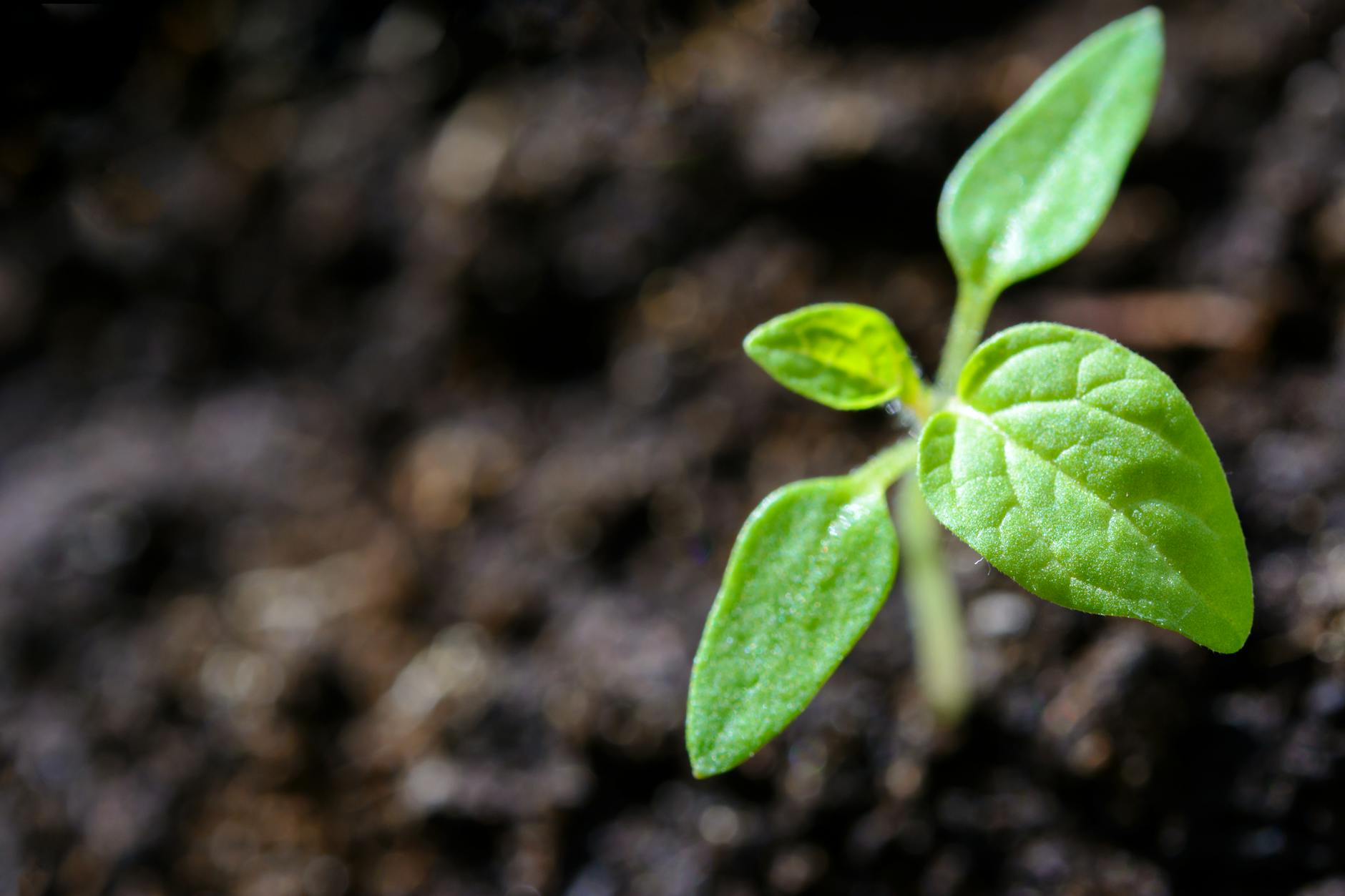
Aero-Sprout Sunflowers: Fastest Growth in Self-Watering Pots
Okay, so listen up, because I'm about to spill the beans on one of my absolute favorite, super-fast micro-gardening hacks. We're talking about sunflower sprouts here, specifically how to get the fastest aeroponic sunflower sprouts you've ever seen, all tucked into a neat little self-watering pot. Seriously, this method cuts down grow time, maximizes yield, and honestly, it’s just plain fun to watch.
I’ve grown enough sunflowers over the years to know a thing or two. From struggling with soil-bound giants in my Brooklyn backyard (RIP to that short-lived dream, zoning laws are no joke) to perfecting micro-varieties in my tiny Portland apartment. But when I stumbled upon this aeroponic setup for sprouts – boom! Mind. Blown. You know, I actually tried growing sunflowers hydroponically once, thinking I was super clever. They got huge, took forever, and frankly, I just wanted the sprouts for my salads, not a full-blown flower farm. This aeroponic approach for sprouts? It’s a completely different ballgame. Faster, cleaner, and way more efficient for small spaces.
Why Sunflower Sprouts Does So Well with Aeroponic System
Here's the deal: sprouts, by their very nature, are all about rapid growth. They're basically tiny plant rockets, packing a nutritional punch in just a few days. Now, you combine that inherent speed with an aeroponic system, and you've got a match made in micro-garden heaven. Aeroponics, for those new to the jargon, means the plant roots are suspended in the air and misted with nutrient-rich water. No soil. Fewer pests. Less mess. And critically, way more oxygen getting to the roots, which plants absolutely *love* for quick growth.
Think about it: in soil, roots are pushing through resistance, competing for water and nutrients. In aeroponics, it's like they've hit the spa. Everything they need is delivered directly, efficiently, and with plenty of air. For something like sunflower sprouts, where you're aiming for that tender, crunchy goodness in a hurry, it's perfect. You're not trying to grow a giant sunflower to full maturity; you're just capturing that explosion of initial energy stored in the seed. That's why this is one of the best ways to get the fastest aeroponic sunflower sprouts.
I remember last December, during one of those interminable Chicago winters, I was desperate for something fresh. My usual soil method for sprouts was just… slow, and let’s be honest, a bit messy for my countertop. I finally converted an old self-watering ceramic pot into a makeshift aeroponic chamber, just to see what would happen. Within a week, I had sprouts bursting out! My cat, Mittens, was equally impressed, mostly with batting at the emerging greens. Lesson learned: even through the bleakest winter, fresh greens are possible, and aeroponics helps.
What You'll Actually Need
You don't need a huge budget for this, trust me. I've done this with everything from repurposed household items to actual gardening gear. This isn't rocket science, but a few key items will make your life a lot easier.
Container: Self-Watering Pot
This is your base. A good self-watering pot has a reservoir at the bottom and a wicking system or a raised platform that prevents the roots from sitting in standing water but keeps them hydrated. I've used everything from cheap plastic ones from IKEA to a fancier ceramic one (which I might have broken a few times, oops). The key is the reservoir. It keeps your nutrient solution topped up without constant checking, which is a lifesaver when you're busy. Make sure it's big enough to comfortably hold your seeds, but remember you're growing sprouts, not a forest.
System: DIY Aeroponic Mister
Here's the fun part. You’ll need a way to mist those roots. You don't need a commercial aeroponic tower. We're keeping it small-scale. Here are a couple of options:
- Mini Pond Pump & Misting Nozzle: This is my go-to. You can find tiny submersible pond pumps online for under $20. Get yourself a small length of tubing and a cheap misting nozzle. Position the pump in the reservoir, run the tubing up through the pot, and mount the nozzle to spray upwards, misting the underside of your growing tray where the roots will hang.
- Ultrasonic Fogger (Optional but cool): For an ultra-fine mist, an ultrasonic fogger (the kind used for terrariums) can work wonders. Just drop it into your reservoir. It creates a fine, cold fog that delivers nutrients beautifully. It's a bit more finicky to set up correctly to ensure even distribution, but it's super cool to watch.
The Little Stuff:
- Sunflower Sprouting Seeds: Make sure they are specifically for sprouting, untreated. Organic is always a good call. Don't use your regular birdseed – it's often treated and might not germinate reliably.
- Nutrient Solution: A good quality liquid fertilizer designed for hydroponics or aeroponics. Look for something balanced. FoxFarm Grow Big is a brand I've used with success countless times for greens, though for sprouts, you might dilute it a bit more than recommended for mature plants.
- Growing Medium/Tray: You’ll need something for your seeds to sit on. A simple mesh tray or a thin layer of inert material like coco coir or rockwool that sits above the reservoir will work. I often just use a piece of plastic mesh cut to fit. The roots will grow through this and into the mist zone.
- Grow Light: Absolutely crucial, especially indoors. A full-spectrum LED grow light will give you those thick, green sprouts without them getting leggy. Last March, my first sunflower sprouts batch in a self-watering pot got super leggy because I skimped on light – lesson learned the hard way. Now, I use a simple 15W LED grow light from Agrobrite, about 6-8 inches above the sprouts, on an 18/6 light cycle.
The Growing Process, Step by Step
Okay, let's get down to business. This whole thing moves fast, so be ready!
- Seed Prep (Day 1):
- Soak: Take about 1/4 cup of your sunflower seeds and soak them in clean, room-temperature water for 8-12 hours. This kickstarts germination. I usually do this overnight.
- Rinse & Drain: After soaking, rinse the seeds thoroughly.
- Setup & Seeding (Day 1-2):
- Prepare Your Pot: Fill the reservoir of your self-watering pot with your diluted nutrient solution. Make sure the pump/mister is in place and working, creating a good spray or fog underneath where your seeds will be.
- Spread Seeds: Spread your soaked, rinsed seeds evenly over your mesh tray or thin layer of coco coir. Don't layer them too heavily; a single layer is ideal for even growth.
- Light, Light, Light: Position your grow light above the seeds. At this stage, they don't need intense light, but consistent warmth and some ambient light are good.
- Germination & Rooting (Days 2-5):
- Keep it Moist: Ensure the seeds stay consistently moist. The mister should be running for several hours a day, enough to keep the air around the roots humid and the seeds damp.
- First Signs: You'll start to see tiny roots emerging and pushing down through the mesh. This is exciting! This is where the fastest aeroponic sunflower sprouts really start to show off.
- Cover (Optional but helpful): Sometimes, covering the seeds lightly for the first 2-3 days helps maintain humidity and encourages germination. I've used a damp paper towel or a plastic dome. Just peek daily to check for mold.
- Sprouting & Growing (Days 5-14):
- Green Up: Once those roots are reaching down, and you see little green shoots popping up, turn up the grow light intensity. This is where your sprouts will get their vibrant green color.
- Misting Schedule: Your pump might need to run on a timer. I usually do 15 minutes on, 45 minutes off, repeating throughout the day. This provides constant moisture and nutrients without waterlogging. Watch your reservoir levels; they'll go down surprisingly fast once the plants start drinking!
- Nutrient Top-Up: Check the water level daily. Top up with fresh, diluted nutrient solution as needed. Don't let it run dry! I learned this the hard way with a batch of ["Year-Round Peppers: Aeroponics in Ceramic Pots Guide"](https://microgardenhacks.com/posts/aeroponic-peppers-seasonal-ceramic-pot) – went on a weekend trip, forgot to fill the reservoir, came back to sad, withered plants. Never again!
- Maturation (Days 14-21):
- Thickening Up: Your sprouts will develop their first true leaves and get wonderfully thick stems. They should be standing tall and proud.
- Harvest Time Approaches: You're almost there! Within 2-3 weeks, you should have a lush carpet of sunflower sprouts ready for harvest.
Mistakes I've Made (So You Don't Have To)
Look, I've killed more plants than I care to admit. It's how we learn, right? So, here are a few blunders I’ve made with this very method:
- Skimping on Light: I already mentioned it, but it bears repeating. Those spindly, pale sprouts? That's lack of light. They get desperate reaching for a light source that isn't there. Get that grow light invested, even a cheap one. Your sprouts will thank you by being beautifully verdant.
- Forgetting to Rinse Seeds: Didn't think it was a big deal, once. Just soaked 'em and planted 'em. Ended up with a fuzzy, moldy mess. The rinse step, especially after soaking, helps remove dormant spores and prevents fungal issues. Don't skip it!
- Too Much Nutrient Solution: Thinking "more is better" for nutrients for the fastest aeroponic sunflower sprouts? Nope. That's a fast track to nutrient burn, where the leaf tips turn brown and crispy. Sunflower sprouts are pretty delicate. Start with a much weaker solution than recommended for mature plants, maybe 1/4 to 1/2 strength. You can always increase it slightly if they look like they need a boost, but burned leaves won't recover.
- Ignoring pH: Honestly, I think most beginners overthink this part, but with aeroponics, it *does* matter. If your water is too acidic or alkaline, your plants can't absorb nutrients properly. I had a batch turning yellow for no reason, and finally checked the pH – it was way too high. Aim for a slightly acidic to neutral range (5.5-6.5). A cheap pH test kit and some pH Up/Down solution will save you headaches.
Little Things That Make a Big Difference
- Air Circulation: Even a tiny oscillating fan pointed generally at your sprouts (not directly blasting them) can help strengthen stems and prevent fungal growth. Plus, it just generally makes plants happier.
- Filtered Water: If your tap water is heavily chlorinated, it can be detrimental. I always fill my reservoir with filtered water or water that's been left out for 24 hours for the chlorine to dissipate.
- Consistency: The beauty of a self-watering pot with aeroponics is automated consistency. But you still need to check it. Don't let that reservoir run dry. Don't forget to clean the system between batches. This whole method hinges on constant, ideal conditions.
- Cleanliness: A little bit of bleach or hydrogen peroxide in the reservoir water (very diluted, like a few drops per gallon) can help keep algae and bacteria at bay, especially for longer grows. Always clean your system thoroughly between batches.
When to Harvest and What to Expect
You'll know your sunflower sprouts are ready when they've developed their first set of true leaves and are about 3-5 inches tall, usually around 2-3 weeks from seeding. They'll be a vibrant green, with a lovely crunch and a slightly nutty flavor. I love them just after they've 'haired' – meaning shed their seed hulls. Those hulls can be a pain, but usually, a good misting (or a quick rinse under the tap just before harvest) helps dislodge them.
To harvest, simply use a sharp pair of scissors to snip them off just above the growing medium. You can harvest the entire batch at once, or do a "cut and come again" method, though with sprouts, you usually just get one big flush. Once harvested, rinse them gently, pat them dry, and store them in an airtight container in the fridge. They'll last for several days, providing a fresh, nutritious boost to salads, sandwiches, smoothies, or just as a healthy snack. You’re going to love this part – the immediacy of fresh food is incredibly satisfying.
This method truly provides the fastest aeroponic sunflower sprouts, giving you a continuous supply of nutrient-dense greens with minimal fuss. And hey, if you're looking for other fast-growing aeroponic projects, you should definitely check out my guide on ["Windowsill Aeroponic Tomatoes: Tote-Grown for Bountiful Harvests!"](https://microgardenhacks.com/posts/aeroponic-windowsill-tomato-tote-grow). Happy sprouting!
Keep exploring related guides
Follow the topic cluster below to discover more growing methods, troubleshooting advice, and crop-specific tutorials.