outdoor gardening
Edible Landscaping Design: Beautiful Gardens You Can Eat
Learn edible landscaping design principles to create beautiful gardens you can eat. Discover ornamental vegetables, fruiting shrubs, and design strategies.
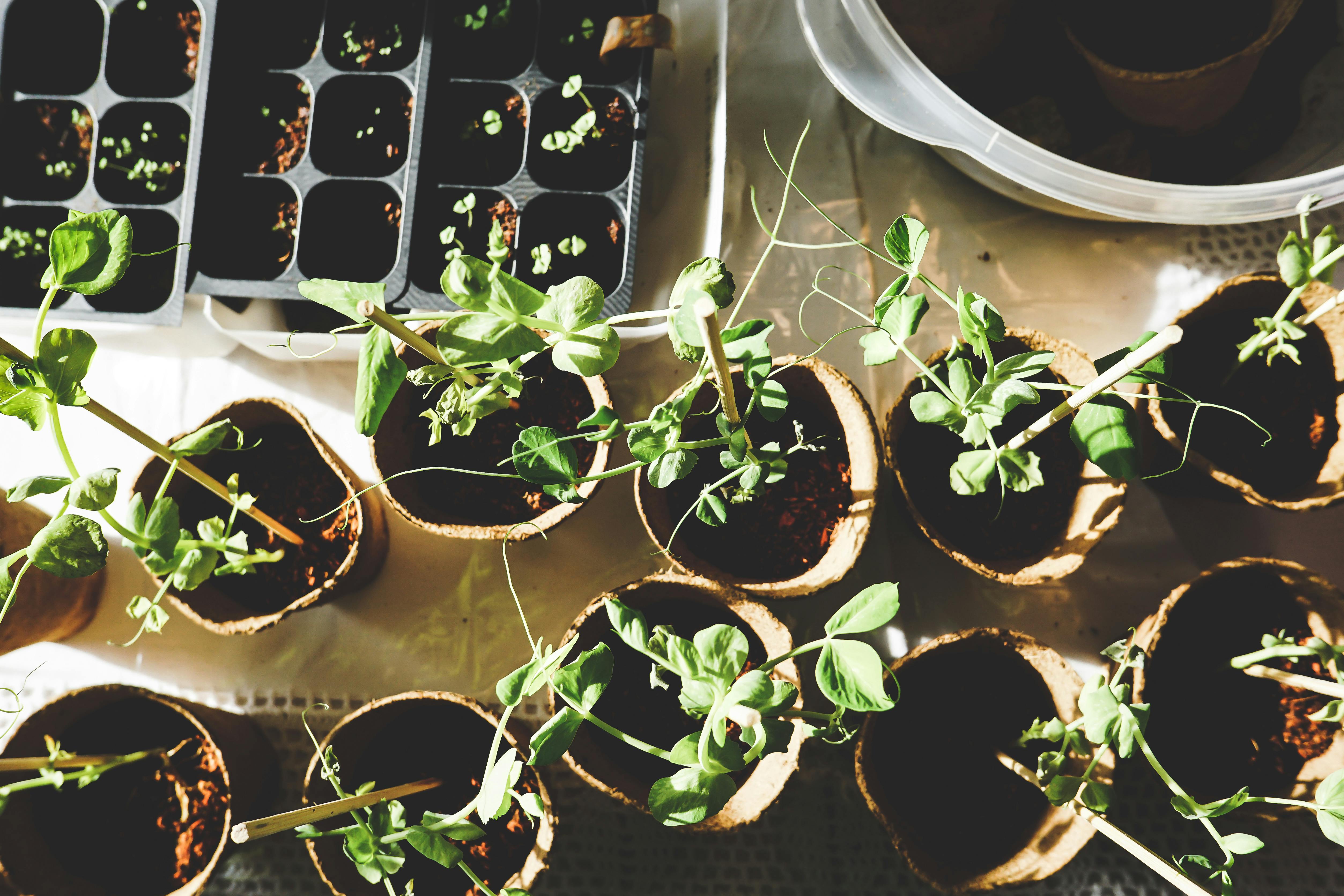
Edible Landscaping Design: Beautiful Gardens You Can Eat
Why choose between beauty and bounty when you can have both? Edible landscaping integrates food-producing plants into ornamental designs, creating stunning landscapes that feed your family.
The Philosophy of Edible Landscaping
Traditional landscaping separates ornamental gardens from vegetable plots, but edible landscaping breaks these barriers. Every plant serves multiple purposes—providing food, beauty, wildlife habitat, and ecological benefits.
Design Principles for Edible Landscapes
Layered Planting
Mimic natural ecosystems with canopy trees, understory shrubs, herbaceous plants, and ground covers. This vertical layering maximizes production while creating visual interest.
Four-Season Interest
- Spring: Fruit tree blossoms, asparagus spears, flowering herbs
- Summer: Colorful vegetables, berry harvests, herb flowers
- Fall: Fruit harvests, ornamental peppers, colorful foliage
- Winter: Evergreen herbs, structural fruit trees, winter vegetables
Beautiful Edible Plants
Ornamental Vegetables
Rainbow chard, purple cabbage, and red-veined sorrel rival any ornamental for color and texture. Artichokes and cardoons provide dramatic architectural elements.
Fruiting Shrubs
Blueberries offer spring flowers, summer fruit, and brilliant fall color. Currants, gooseberries, and elderberries combine beauty with abundant harvests.
Implementation Strategies
Start by replacing non-productive ornamentals with edible alternatives. Substitute ornamental pears with fruiting varieties, swap hostas for rhubarb, and replace boxwood with blueberries.
Discover companion planting strategies and garden planning techniques for your edible landscape.
Keep exploring related guides
Follow the topic cluster below to discover more growing methods, troubleshooting advice, and crop-specific tutorials.