Multiple Systems
Complete Guide to Hydroponic Edible Flowers: Indoor Bloom Garden
Master hydroponic edible flower cultivation with our comprehensive guide. Learn to grow nasturtiums, marigolds, violas, and more in indoor systems.
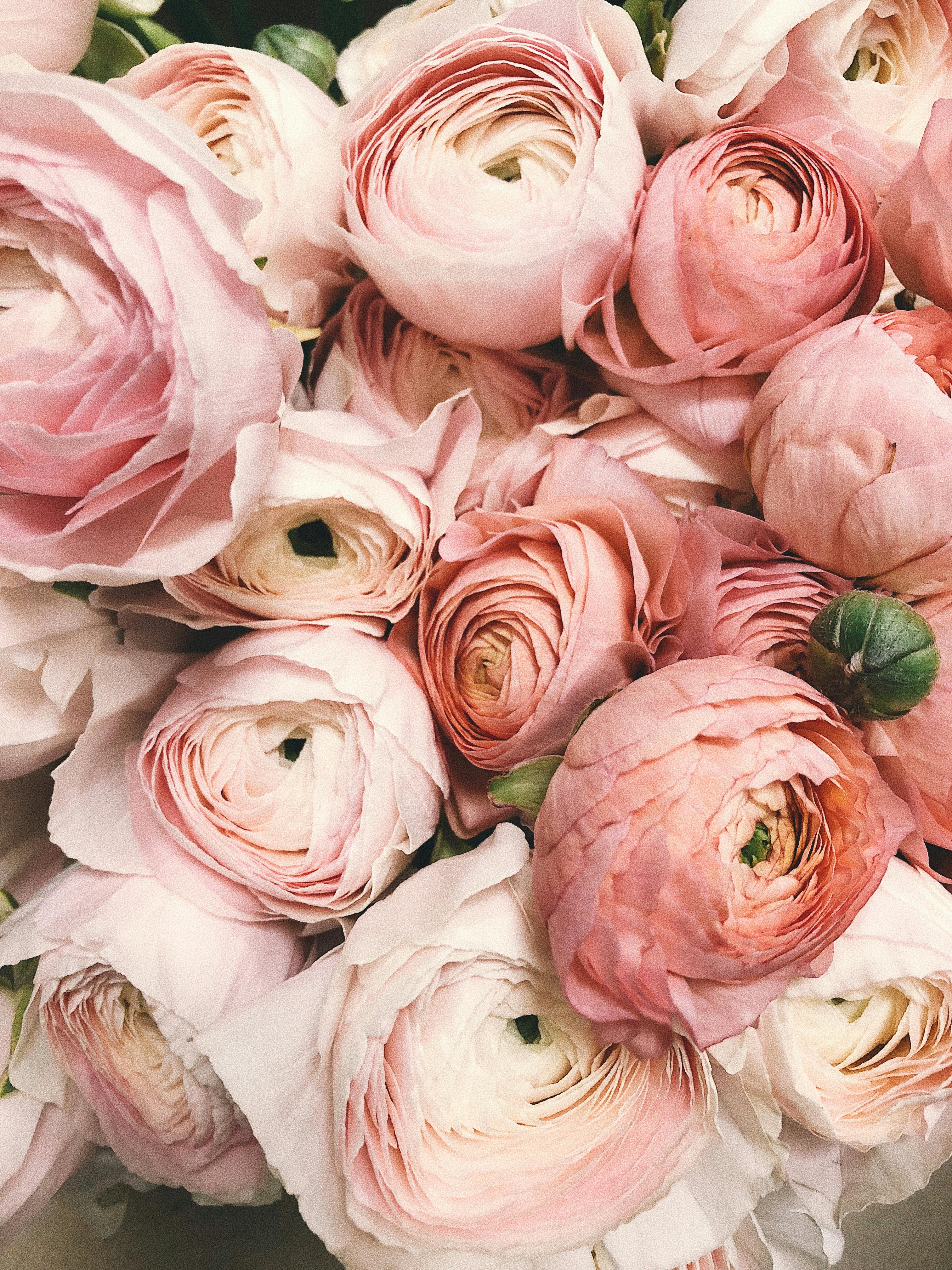
Edible flowers transform ordinary dishes into extraordinary culinary experiences, and hydroponic cultivation makes year-round production possible. This comprehensive guide covers everything you need to know about growing beautiful, delicious flowers in hydroponic systems.
Why Grow Edible Flowers Hydroponically?
Hydroponic cultivation offers unique advantages for edible flower production that traditional gardening simply cannot match.
Key Benefits
- Year-round production - Harvest fresh flowers regardless of outdoor season
- Superior cleanliness - No soil means pristine blooms for culinary use
- Faster growth - Accelerated development in controlled environments
- Space efficiency - Grow vertically or in compact systems
- Consistent quality - Reliable color, size, and flavor in every bloom
- Pest control - Indoor growing reduces insect problems
Best Edible Flowers for Hydroponics
Not all edible flowers adapt equally well to hydroponic cultivation. Here are the top performers for indoor growing.
Top Varieties
| Flower | Flavor | Best System | Time to Bloom |
|---|---|---|---|
| Nasturtiums | Peppery | DWC, NFT | 6-8 weeks |
| Marigolds (Calendula) | Tangy, mild | Ebb and Flow | 8-10 weeks |
| Violas/Pansies | Sweet, mild | Kratky, DWC | 10-12 weeks |
| Borage | Cucumber | DWC | 8-10 weeks |
| Chamomile | Apple-like | NFT, Kratky | 10-12 weeks |
| Lavender | Floral, sweet | Drip, Ebb/Flow | 12-16 weeks |
Choosing the Right Hydroponic System
Different flowers thrive in different systems. Match your chosen flowers to appropriate growing methods for best results.
Deep Water Culture (DWC)
Excellent for vigorous growers like nasturtiums and borage. Provides consistent moisture and nutrients for prolific flowering.
Nutrient Film Technique (NFT)
Works well for compact flowers with shallow root systems. Good for nasturtiums and chamomile in space-efficient setups.
Kratky Method
Perfect for beginners and low-maintenance growing. Ideal for violas and small flowers that don't require aggressive feeding.
Ebb and Flow
Versatile system suitable for marigolds and flowers that benefit from wet-dry cycles. Allows easy management of multiple plant types.
Essential Growing Conditions
Understanding the environmental needs of edible flowers ensures successful cultivation.
Lighting Requirements
- Duration - 12-16 hours daily depending on species
- Intensity - 300-600 PPFD for most flowering species
- Spectrum - Full-spectrum LED with enhanced red for flowering
Temperature Guidelines
- Cool-season flowers (violas, pansies) - 55-65°F
- Warm-season flowers (nasturtiums, marigolds) - 65-75°F
- Night drop - 5-10°F cooler promotes flower development
Nutrient Management
Edible flowers generally require moderate nutrient levels, with adjustments during flowering stages.
General Guidelines
- Vegetative EC - 1.0-1.4 mS/cm
- Flowering EC - 1.2-1.6 mS/cm
- pH range - 5.8-6.5 for most species
- Phosphorus - Increase during flowering for more blooms
Harvesting and Storage
Proper harvest timing and storage ensure the best quality edible flowers for culinary use.
Harvest Tips
- Pick in morning after dew has dried
- Harvest when flowers are fully open but fresh
- Use sharp scissors to avoid stem damage
- Handle gently to preserve petal integrity
Storage Methods
- Fresh - Between damp paper towels in refrigerator (3-7 days)
- Frozen - In ice cubes for drinks
- Dried - Air dry or use dehydrator for long-term storage
- Candied - Preserve with egg white and sugar coating
Culinary Applications
Edible flowers add visual appeal, flavor, and nutrition to countless dishes and beverages.
Popular Uses
- Salad garnishes and ingredients
- Cake and dessert decorations
- Cocktail and mocktail garnishes
- Infused oils, vinegars, and syrups
- Frozen in ice cubes
- Stuffed flower appetizers
- Herbal teas and infusions
Keep exploring related guides
Follow the topic cluster below to discover more growing methods, troubleshooting advice, and crop-specific tutorials.