Deep Water Culture
Complete Guide to Hydroponic Alliums: Onions, Garlic, and More
Master growing all hydroponic alliums including onions, garlic, leeks, and shallots. Comprehensive guide covering universal techniques and crop-specific requirements.
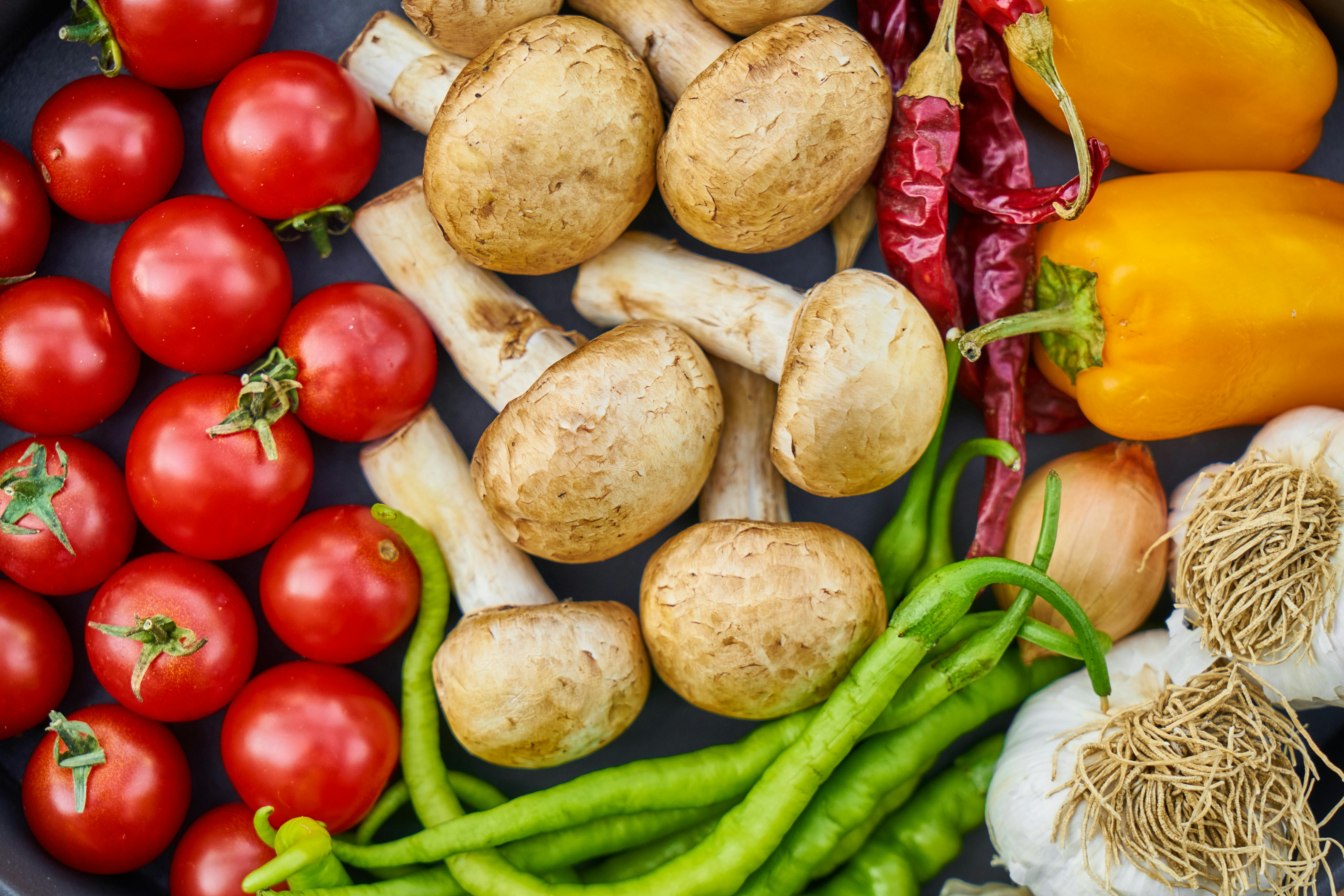
The allium family includes some of the most essential flavoring vegetables in the culinary world—onions, garlic, leeks, shallots, chives, and scallions. Growing these aromatic plants hydroponically allows year-round production and often superior results compared to traditional methods.
Understanding the Allium Family
All alliums share certain characteristics that influence their hydroponic cultivation: they're cool-season crops, have relatively shallow root systems, and are susceptible to rot if kept too wet. Understanding these commonalities helps you succeed with any member of the family.
Allium Advantage
Once you master one allium in hydroponics, you'll find the techniques transfer well to others. The family shares similar nutrient needs, pH preferences, and growing conditions.
Allium Comparison Chart
| Crop | Days to Harvest | Difficulty | Best System |
|---|---|---|---|
| Green Onions | 60-90 | Easy | DWC, NFT |
| Bulbing Onions | 90-120 | Moderate | Ebb & Flow |
| Garlic Greens | 21-30 | Easy | DWC, Kratky |
| Garlic Bulbs | 180-240 | Difficult | Ebb & Flow |
| Leeks | 90-150 | Moderate | NFT, Dutch Bucket |
| Shallots | 90-120 | Moderate | Ebb & Flow |
| Chives | 60-90 | Easy | DWC, NFT |
Universal Growing Conditions
Nutrient Requirements
All alliums share similar nutritional needs with some variations:
- Nitrogen: Essential for leaf development, reduce during bulbing
- Phosphorus: Important for root development and bulb formation
- Potassium: Critical for bulb quality and disease resistance
- Sulfur: The secret to allium flavor—ensure adequate supply
pH Range
All alliums prefer pH 6.0-6.8. Maintain consistency—alliums are sensitive to pH fluctuations.
Temperature Preferences
Most alliums prefer cool conditions (55-75°F / 13-24°C). They tolerate brief cold exposure but perform poorly in heat above 80°F (27°C).
System Selection Guide
Deep Water Culture (DWC)
Best for: Green onions, garlic greens, chives
Key modification: Maintain air gap between bulb/base and water surface to prevent rot.
Nutrient Film Technique (NFT)
Best for: Leeks, green onions, chives
Advantage: Shallow channels accommodate allium root structure while providing continuous nutrition.
Ebb and Flow
Best for: Bulbing onions, shallots, garlic bulbs
Advantage: Cycling provides dry periods essential for bulb development and rot prevention.
Kratky Method
Best for: Garlic greens, small-scale green onions
Advantage: Passive system with natural air gap as water level drops.
Day Length and Bulbing
Understanding photoperiod is crucial for bulbing alliums:
Photoperiod Key
Bulb formation in onions, shallots, and garlic is triggered by day length, not age. Match your lighting schedule to your chosen variety's requirements for successful bulb development.
Onion Day Length Categories
- Short-day: 10-12 hours triggers bulbing (southern varieties)
- Intermediate-day: 12-14 hours triggers bulbing
- Long-day: 14-16 hours triggers bulbing (northern varieties)
Other Alliums
- Leeks: Less day-length sensitive, more flexible
- Shallots: Generally respond to long days
- Garlic: Requires vernalization + long days for bulbing
Common Problems Across Alliums
Rot Issues
The #1 problem with hydroponic alliums. Prevent by:
- Maintaining air gaps in DWC systems
- Using ebb and flow for bulbing crops
- Never submerging bulbs or growing points
- Ensuring good air circulation
Weak/Thin Growth
Usually indicates:
- Insufficient light (increase to 12-14 hours)
- Low nitrogen (increase EC slightly)
- Temperature too high (reduce to 65-70°F)
Bolting (Premature Flowering)
Caused by temperature stress or incorrect day length. Once bolting starts, harvest immediately as quality declines rapidly.
Poor Flavor
Often indicates sulfur deficiency. Use nutrients that include sulfate forms of minerals, or supplement with magnesium sulfate (Epsom salt).
Companion Planting in Hydroponics
Alliums can share systems with compatible crops:
- Good companions: Lettuce, spinach, herbs (similar nutrient needs)
- Avoid: Legumes, which can be inhibited by allium compounds
Succession Planting
For continuous harvest, stagger plantings:
- Green onions/chives: Plant new batch every 2-3 weeks
- Leeks: Plant every 4-6 weeks for continuous harvest
- Bulbing crops: Single planting with proper storage extends availability
Storage Guidelines
| Crop | Storage Life | Conditions |
|---|---|---|
| Onions (cured) | 3-6 months | Cool, dry, dark |
| Garlic (cured) | 6-12 months | Cool, dry, ventilated |
| Shallots (cured) | 6-12 months | Cool, dry |
| Leeks | 2-3 weeks | Refrigerator |
| Green onions | 1-2 weeks | Refrigerator, roots in water |
Quick Start Recommendations
New to hydroponic alliums? Here's the progression path:
- Beginner: Start with chives or green onions—quick results, forgiving
- Intermediate: Progress to leeks and shallots—more rewarding, still manageable
- Advanced: Tackle bulbing onions and garlic—requires precise conditions
Conclusion
Hydroponic alliums offer year-round access to these essential cooking ingredients. While they present some unique challenges—particularly regarding rot prevention and day length management—the techniques transfer well across the family. Master one allium and you're well on your way to growing them all.
Keep exploring related guides
Follow the topic cluster below to discover more growing methods, troubleshooting advice, and crop-specific tutorials.