Aeroponic System
Pea Shoots: Aero-Bottle Companion Planting Secrets Revealed
Learn how to aeroponic pea shoots companion planting in your apartment. Step-by-step guide with expert tips.
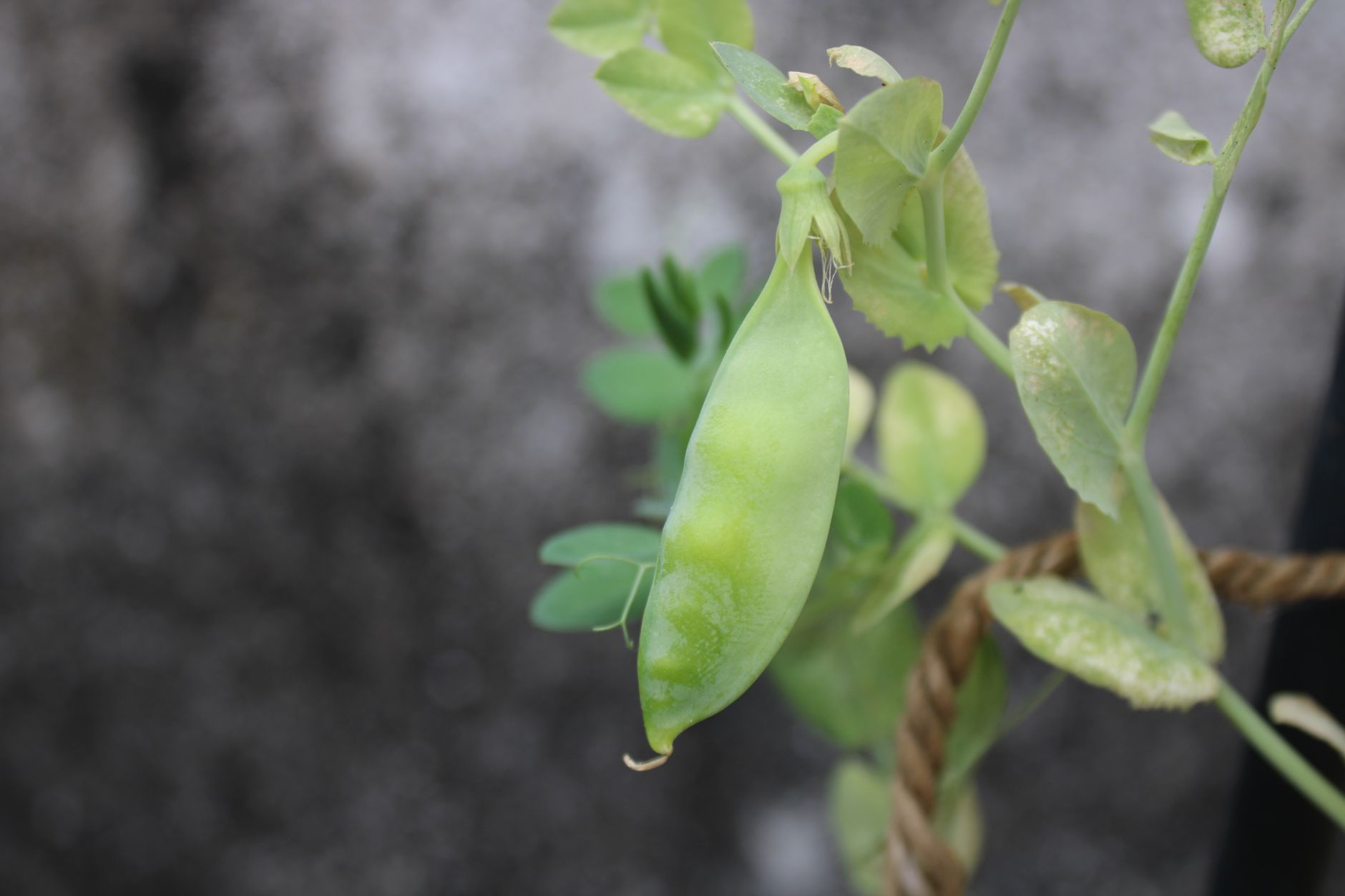
Pea Shoots: Aero-Bottle Companion Planting Secrets Revealed
Okay, so picture this: you've got a window, maybe a tiny balcony, or just a corner of your kitchen that screams for some green. We're not talking about a full-on farm, just a little something fresh. And honestly, for a burst of vibrant flavor and nutrient density, you absolutely cannot beat pea shoots. For years, I've been experimenting with every nook and cranny in my Brooklyn apartment, trying to squeeze more out of less. That's how I stumbled upon this ridiculously effective method for aeroponic pea shoots companion planting using, wait for it, a recycled plastic bottle. Yeah, you heard me. It sounds a little wild, but it works. And it lets you sneak in some clever companion planting without needing a huge setup.
I remember this one time, it was peak pandemic cabin fever, maybe March or April 2020. I had this sudden urge to grow something — anything — and I had a bag of dried split peas (don't ask why, pantry stuff, you know how it is). I’d seen a few YouTube videos about growing pea shoots in soil, but I was out of potting mix. Like, zilch. That's when the idea of repurposing an old soda bottle for a makeshift aeroponic setup clicked. Absolute madness, but a little desperation can really spark creativity, right? The first batch was… leggy. So leggy it looked like an alien invasion. Why? Skimped on the light, big time. Lesson learned. We’ll get to that.
Since then, I’ve refined this little system. It's not just about growing pea shoots; it’s about making them thrive, and even better, growing them alongside a little buddy plant. Because who doesn't love a good two-for-one deal?
Why Pea Shoots Does So Well with Aeroponic System
Honestly, pea shoots are the perfect candidates for aeroponics, especially a DIY bottle setup. They're fast growers. We're talking 2-3 weeks from seed to harvest, sometimes even quicker if conditions are perfect. They don't need a crazy deep root system in that short timeframe, which makes them ideal for the nutrient mist. Forget about soil-borne pests or diseases, too. It’s pretty sterile, which means less fuss. Plus, the constant access to oxygen for the roots in an aeroponic system? Chefs kiss. They just explode with growth. I’ve noticed a significant difference in growth speed and overall vigor compared to my early soil-based pea shoot experiments. My first Chicago apartment was pretty dim, and those soil-grown shoots were always pale. The aeroponic ones just seemed happier, even under the same relatively meager grow light.
For this specific aeroponic pea shoots companion planting method, the shallow root system of the pea shoots is key. It leaves plenty of room for a companion plant whose roots can dip deeper into the nutrient reservoir, soaking up all the good stuff without fighting for space at the surface.
What You'll Actually Need
This is where the DIY magic happens. Don't worry, you won't need a lab. Just a few bits and bobs.
Container: Recycled Plastic Bottle
- A 2-liter soda bottle or similar: Clear or translucent works best for seeing what's up, but you'll need to paint or cover it later to prevent algae.
- Utility knife or strong scissors: For cutting. Be careful!
- Drill or hot nail: For making small holes.
System: Aeroponic System (DIY style)
- Air pump: A small aquarium air pump. I use one from Tetra, nothing fancy, just a basic one-output model. You can get these at any pet store for like $15.
- Air stone: Again, aquarium section. This makes the fine bubbles.
- Airline tubing: To connect the pump to the air stone.
- Net pots: ~2-inch ones are perfect for pea seeds. Three to four should fit nicely in a 2-liter bottle.
- Nutrient solution: A good quality liquid nutrient formulated for leafy greens. I’ve had great luck with Dyna-Gro's "Grow" formula, diluted appropriately. Follow the package instructions, but generally, 1/4 to 1/2 strength is good for seedlings/shoots.
- Growing medium for net pots: Rockwool cubes or coco coir pellets. I prefer rockwool for this; it holds moisture well but doesn't get soggy.
- Pea seeds: Dried whole peas (not split peas!) from the grocery store often work, but a dedicated "sprouting pea" seed packet will give you better germination rates.
- Companion plant seeds/seedling: This is the fun part! Think small, quick-growing, and something that benefits from a little extra humidity. Basil, cilantro, or even a small pepper seedling (check out my Aeroponic Peppers in Ceramic Pots Guide for ideas!) could work. For this setup, I've had incredible success with a tiny basil plant in the center.
The Growing Process, Step by Step
This is where we bring it all together. It's not rocket science, but attention to detail helps.
- Bottle Prep (Day 0): Cut your plastic bottle about 2/3 of the way up. The top part will be inverted and sit in the bottom part. Poke or drill several 1/4 inch holes around the mouth of the inverted top piece – this is where your nutrient solution will mist the roots. Drill a small hole in the cap for your airline tubing. Now, this next part matters a lot: paint the bottom 2/3 of the bottle (the reservoir) with dark spray paint or cover it completely with aluminum foil. This prevents light from reaching the nutrient solution, which stops algae in its tracks. Trust me on this one; algae is a pain.
- Seed Soaking (Day 0): Soak your pea seeds in lukewarm water for 8-12 hours. This kick-starts germination. Do the same for your companion plant if it's a seed.
- Setup Assembly (Day 1):
- Place your air stone at the bottom of the bottle reservoir.
- Thread the airline tubing through the cap and attach it to the air stone. The tube should go all the way to the pump (which will sit outside the bottle).
- Fill the reservoir with your diluted nutrient solution. Ensure the inverted top part, when placed, will have its holes just above the nutrient solution level – this gap is crucial for air circulation and misting.
- Place your rockwool cubes or coco coir pellets into the net pots.
- Plant 3-5 soaked pea seeds into each net pot for the pea shoots, burying them just slightly. For your companion plant, plant its seed or transplant a tiny seedling into a central net pot.
- Carefully place the net pots into the holes you've cut in the inverted top part of your bottle. Usually, I do three pea shoot net pots around the edge and one central net pot for my companion basil.
- Invert the top section (with the net pots) into the bottom reservoir. Ensure the airline tubing is still free and connected to your pump.
- Light & Air (Week 1-3): Turn on your air pump. You should see gentle bubbles. This aerates the solution and creates the mist. Place your setup under a good grow light for 14-16 hours a day. Last March, my first pea shoot batch in a recycled plastic bottle got leggy because I skimped on the light – big mistake. They need strong, direct light. A simple LED shop light works wonders for this.
- Monitoring (Ongoing): Check your nutrient solution levels every few days. Top off with fresh, diluted solution as needed. The roots of your pea shoots should start to grow down through the net pots, reaching for that nutrient mist. Your companion plant roots will eventually dip into the main reservoir.
Mistakes I've Made (So You Don't Have To)
Oh, believe me, I've made 'em. Growing stuff is all about learning from your blunders.
- Going Full Strength with Nutrients: Early on, I thought "more food, bigger plants!" Nope. Especially with young plants and shoots, full-strength nutrient solution can burn them. Stick to 1/4 to 1/2 strength. My first batch of tomatoes in an aeroponic tote (before I got smart and wrote my Windowsill Aeroponic Tomatoes guide) absolutely hated me for this. Brown, crispy leaves everywhere.
- Ignoring Algae: As I said, that early pea shoot attempt? Green slime everywhere by week two. It steals nutrients and can suffocate roots. Paint that bottle! Or cover it. Seriously, this isn't optional for this DIY setup.
- Overcrowding Pea Seeds: I used to cram as many pea seeds as possible into a net pot. While they grow close, too many seeds can lead to mold issues in humid aeroponic conditions. Give them a little breathing room. 3-5 seeds per 2-inch pot is plenty.
- Forgetting About pH: Honestly, I think most beginners (and even some seasoned growers) overthink pH until they don't, and then things go sideways. For pea shoots and most companions, a pH between 5.5 and 6.5 is ideal. Grab a cheap pH test kit and adjust with pH up or down solution if needed. I really should've been checking pH on my Habanero Aeroponics setup from the start – those early plants were stunted before I got consistent. (If you want to know more, check out my Habanero Aeroponics in a Wooden Crate post!)
Little Things That Make a Big Difference
- Humidity Dome: For the first 3-5 days after planting, a clear plastic dome (you can cut another bottle for this!) over the net pots creates a humid microclimate that really helps germination.
- Air Movement: Once the shoots are up and growing, a small fan gently blowing across the plants helps strengthen stems and prevents fungal issues. Just a little breeze, not a hurricane.
- Companion Choices: For your
Keep exploring related guides
Follow the topic cluster below to discover more growing methods, troubleshooting advice, and crop-specific tutorials.